The sweetness of WHEN I TASTE TEQUILA by Dan + Shay

Most music videos are meh, and I say that as a huge fan of music and music videos who grew up watching this thing we called MTV, back when it played music videos instead of insipid reality shows.

It’s hard to find videos that truly stand out, ones that I remember and want to watch again. Even if I love the song itself.

It’s doubly tough for a country music video to hit me, for I do not speak twang. 

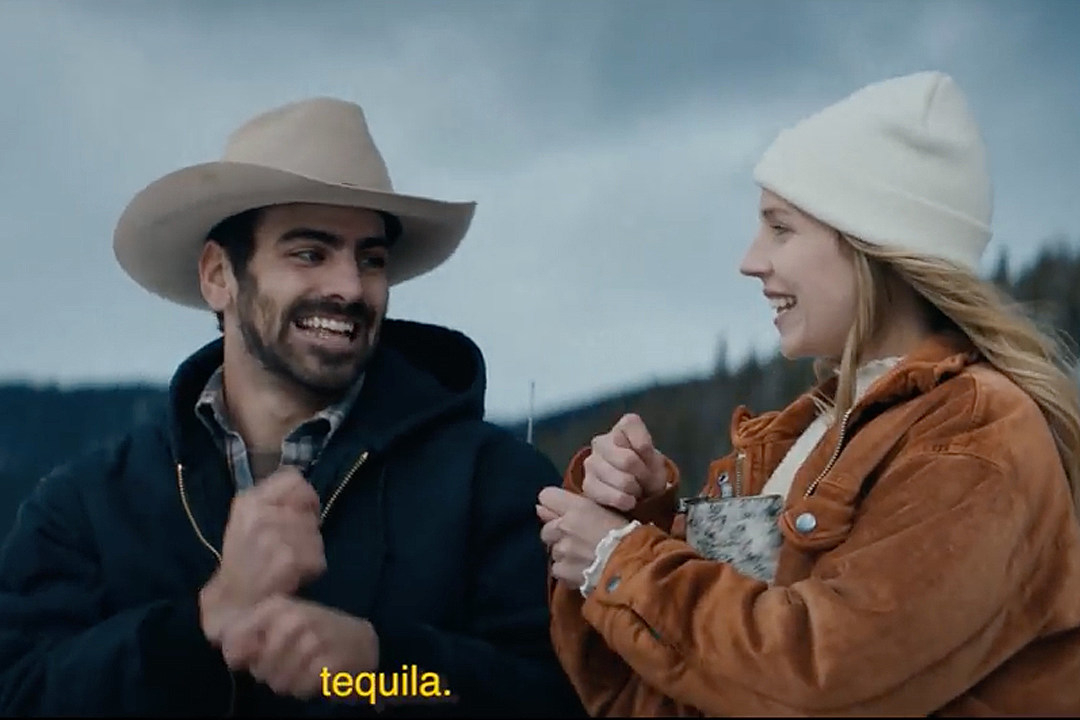
So when I heard this song on the radio, it was a nice surprise. Then I saw the video, which is really a short film. Oh my.

Take a peek.

Haunting, isn’t it?

What stands out are the shots. Just beautiful cinematography, scenes I want to linger over. The acting is spot-on and the musicians make the smart choice of staying in the background.

What makes it truly work is telling an actual story with a beginning, middle and end. 

There are all kinds of music videos that look impressive, paired with good songs. 30 Seconds to Mars is the king of these videos, with Jared Leto having the massive advantage of being a star actor who knows how to stage and shoot film. But you don’t see complete stories very often. You see themes and ideas, but not stories where people are in conflict and make decisions.

This music videos is full of conflict and choices. It’s a sweet love story, and it fills in missing pieces you don’t see in the lyrics (below).

Great job, Dan + Shay–I’m happy to have stumbled onto this.

WHEN I TASTE TEQUILA

I can still shut down a party
I can hang with anybody
I can drink whiskey and red wine
Champagne all night
Little Scotch on the rocks and I’m fine, I’m fine
 
But when I taste tequila, baby I still see ya
Cutting up the floor in a sorority t-shirt
The same one you wore when we were
Sky high in Colorado, your lips pressed against the bottle
Swearing on a bible, baby, I’d never leave ya
I remember how bad I need ya, when I taste Tequila
When I taste Tequila
 
I can kiss somebody brand new 
And not even think about you
I can show up to the same bar
Hear the same songs in my car
Baby, your memory, it only hits me this hard
 
When I taste Tequila, baby I still see ya
Cutting up the floor in a sorority t-shirt
The same one you wore when we were
Sky high in Colorado, your lips pressed against the bottle
Swearing on a bible, baby, I’d never leave ya
I remember how bad I need ya, when I taste Tequila
When I taste Tequila
 
I ain’t even drunk, I ain’t even drunk
And I’m thinking
How I need your love, how I need your love
Yeah, it sinks in
 
When I taste Tequila, baby I still see ya
Sorority t-shirt, the same one you wore when we were
Sky high in Colorado, your lips pressed against the bottle
Swearing on a bible, baby, I’d never leave ya
I remember how bad I need ya, when I taste Tequila
When I taste Tequila

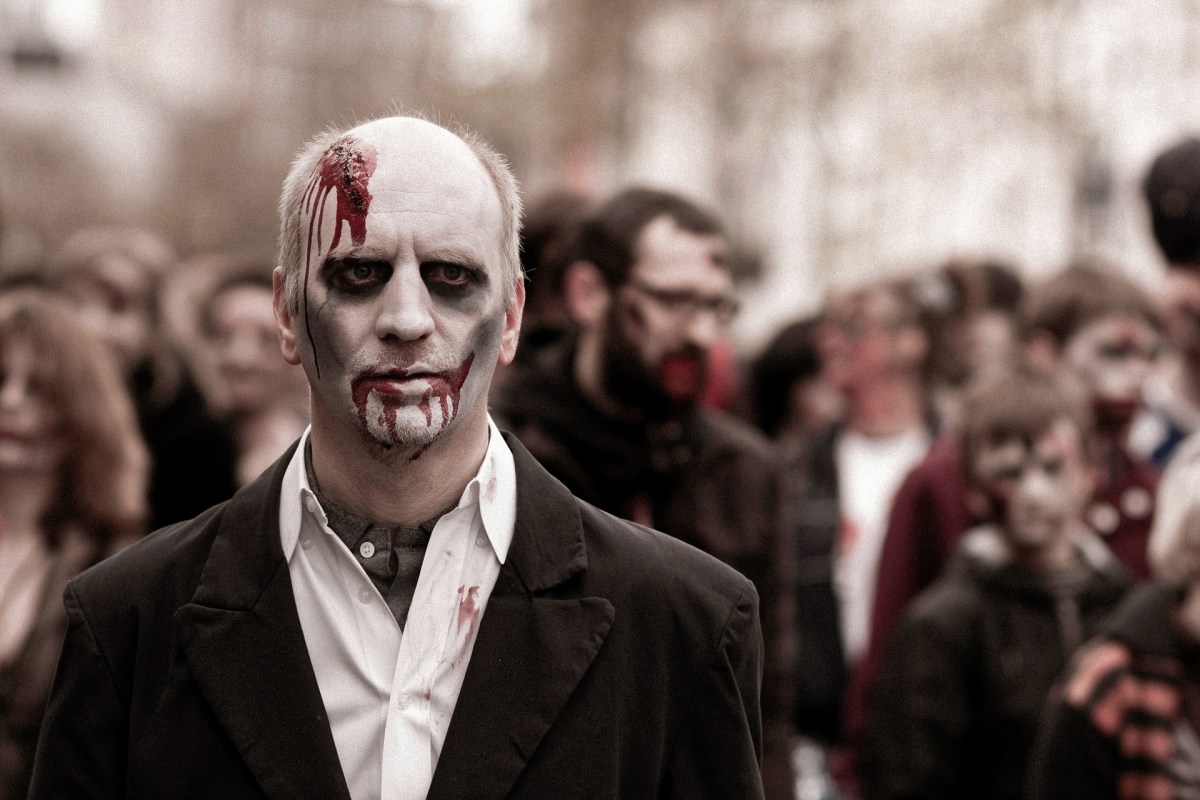
The fatal flaw with zombie apocalypse movies

There are great zombie movies, and horrifically beautiful apocalyptic films.

NIGHT OF THE LIVING DEAD, MAD MAX: FURY ROAD, DAWN OF THE DEAD, WATERWORLD (hey, I’m kidding)–you get the idea.

So why do zombie apocalypse movies smash into the brick wall of failure?

Zombie comedy? Sure. SEAN OF THE DEAD. Zombie romance? Yeah, they’ve tried that. Zombie drama? Yep.

You’d think this would be like peanut butter and chocolate, two great things that taste even greater when mashed together. But I can’t think of a single zombie apocalypse movie that truly works.

The biggest such film–WORLD WAR Z–went splat, despite the star power of Brad Pitt and a big budget. Why? 

I’ve pondered this, downed a pot of coffee and consulted the oracle.

Here’s the deal.

In a horror movie, everybody dies

Not because the screenwriter and director are sadistic. The whole point of a horror movie is society getting punished for its sins by the monster, who’s actually the hero.

That’s why Freddy, Jason and all the other horror monsters never truly get killed off.

Slasher movies show teenagers breaking the rules–shoplifting, getting drunk, having premarital sex, lying to their parents about it all–and getting punished by the boogeyman for their sins.

Another big branch of horror movies is about man playing God–inventing super-smart sharks with lasers, creating hybrid genetic experiments that go wrong, or sewing together body parts from the grave and using lightning to reanimate the thing. Then those creations rise up to punish the scientists for their arrogance.

This is why horror movies can fail. If the teenagers or scientists actually win in the end, the movie confuses the message. You might start out rooting for the teeny boppers or mad scientists, but in the end, you’re supposed to see the monsters as agents of rough justice.

Same thing with a zombie movie.

NIGHT OF THE LIVING DEAD is actually about racism.

DAWN OF THE DEAD is about consumerism, which is why it’s set in a mall.

Monster in the House is a great story and a dangerous one for zombies

There’s a primal story that screenwriter Blake Snyder identifies as Monster in the House, where there’s a monster in an enclosed space and either it’s gonna kill you or you’re gonna kill it.

JAWS, ALIEN and FATAL ATTRACTION are all Monster in the House stories.

There’s a big difference between these stories and a true horror movie. The ending is completely opposite. 

The shark dies in the end of JAWS, as does the alien and the obsessed, discarded mistress played by Glenn Close. 

NIGHT OF THE LIVING DEAD and DAWN OF THE DEAD feature the same enclosed space problem, because it’s good storytelling to put characters in a cage with your monster. But they stay true to the message and let the monsters win, punishing society for our sins.

In an apocalyptic movie, tons of people die–but the story ends with hope

The storytelling bones of a good apocalyptic movie are completely different than a horror story.

Civilization goes buh-bye, and the fun of an apocalyptic movie is seeing how that happens and what replaces the status quo.

Also, you get to loot the hardware store and the mall. Who doesn’t like to see that on film? Always a good time.

The message of an apocalypse film, though, is that lots of people die because they make bad, selfish choices, while the few heroes who survive make good, unselfish choices.

It just doesn’t work to mix a true zombie movie, where everybody dies as punishment for society’s sins, with an apocalyptic film, with its message of survival if you make the right choices.

So: back to the movie, WORLD WAR Z, which is a confused beast.

If you read the novel–which you should–it’s not a horror story, where everybody gets nom-nommed by the living dead. It’s a true zombie apocalypse story that can work, with the end showing the undead almost destroying the world. They’re only beaten when society makes painful, fundamental changes to work together and win the war.

Hope and survival. That’s the right way to thread the needle and tell a zombie apocalypse story that works. Give us that, Hollywood–Brad Pitt is optional.

Storytelling insights from 3 minutes of glorious film with subtitles

tinseltown tuesday meme morpheous

Yes, I watch movies with subtitles, even if they’re in black-and-white, with people smoking French cigarettes while speaking French and watching things happen to other people in some scrappy, destitute part of Paris or, for variety, a tiny farming village in Normandy. 

We are talking about a different sort of foreign film with subtitles.

  • Bonus No. 1: This film is 3 minutes long instead of three hours.
  • Bonus No. 2: There is hardly any talking, or any need to read the subtitles at all.
  • Bonus No. 3: Most importantly, this little film can teach us all great big lessons about storytelling and structure.

Also, unless you have no soul, it will make drops of water drip from your eyes and scurry down your cheeks.

Here. Watch the clip in high definition. Or low def, it that’s your thing. Whatever floats your boat.

Okay. All done?

Let’s take it apart and see what makes it tick.

Strong bones

This little film has strong bones. The structure is a roller coaster: things are bad (son is running away), things get even worse (son nearly dies, is paralyzed), then in the climax, things get resolved and the world is forever changed, at least for this family.

The father is not sympathetic at first, right? My first thought was bad casting. No. Good storytelling. The main narrative question is, “Will they get together?” This is a love story, which doesn’t have to be a rom-com with a high-powered professional woman who eventually gets together with a chubby, unemployed virgin who owns the Largest Comic Book Collection Known to Man, because for some reason, that’s what half the rom-coms are these days.

The other half of rom-coms star Matthew McConaughey.

Back to this little film: if they’re getting together in the end, they must be split apart in the beginning.

Another narrative question is, “How do these people suffer, change and grow?”

The father moves from stern, humorless taskmaster to loving and dedicated. He’s the hero of this little film, because it’s his actions that matter most. The normal thing would be for him to let the doctors do their work, right? But it’s his turn to rebel. He carries his son out of the hospital, out of the wheelchair and back into the world. Rehab isn’t going to be nurses and machines and doctors. It’s going to be father and son, learning to walk again.

And all that suffering and sacrifice pays off. The son also transforms. In the beginning, he’s rebellious and aloof. In the end, he’s loyal and connected to his family.

The mother is a flat character. She suffers, but she doesn’t change. That’s OK. Having two characters go through all this in three minutes is plenty.

Real stories beat Michael Bay explosions

This tiny film, which is a flipping COMMERCIAL, moved me far more than bazillion-dollar CGI blockbusters involving dinosaurs, vampires or robots that transform themselves into Chevies.

You can take those $294 million budgets full of special effects and a scripts credited to five different writers. (Pro-tip: the more screenwriters you throw in the kitchen, the crazier the thing that comes out of the oven.)

Give me a story with strong bones and a tiny budget.

Give me people I actually care about, because I don’t give a hoot about Shia LaBeuf and Megan Fox fighting robots or whether the awkward teenage girl gets together with the Sparkly British Vampire vs some kid who used to be a Power Ranger.

Give me a story. A story like this.

Here’s why movies and shows are so good today vs years past

Sure, there are stinkers–bad movies and terrible shows on the Glowing Tube–but overall, we are living in a golden age for entertainment on Whatever Type of Screen You Prefer.

Why is that?

A few theories:

1) Looking good is half the battle

In the old days, most movies and shows (a) were cheaply made and (b) looked cheaply made. The real exception to this are sitcoms filmed in a studio, which look about the same. Everything else? Massive differences in production values. 

So when a film truly looked good–typically because it had a great director and a big budget–it blew everything else out of the water.

The difference was even more stark on television. A great example: back in the day, BBC seemed to take pride in the worst possible production values on the planet. 

Lighting, costumes, camera angles–all that matters. You notice bad production values the most when it comes to terrible monster costumes and special effects.

These days, everybody has upped their game. Even bad movies and shows LOOK good.

And CGI has gotten cheap enough that average TV shows can afford to do special effects you used to only see in blockbuster movies.

2) Massive competition

When there were only a few big studios, and three major TV networks, competition wasn’t nearly as tough.

Today, you have movie studios around the world cranking out more films than ever, plus 3.53 bazillion cable channels making content along with Netflix and Amazon making shows AND movies.

There’s never been more choices.

This has two counter-intuitive effects: (1) it’s easier to get things made, since far more sources might bankroll it, and (2) killing a flawed project or series is easier, too, since there are plenty of other projects that deserve a shot.

The fact that most movies and series don’t become amazing successes isn’t the real point. You can’t predict which ones break out and make mountains of money. 

Can’t win if you don’t play. 

So everybody plays, and takes risks, because being safe and conservative isn’t the way to hit a home-run.

That creative, competitive environment helps give birth to today’s great shows and movies.

3) CGI takes planning, and great planning makes for great stories

With production values good across the board, and special effects cheaper than ever, what makes a movie or show stand out and break out?

A few years ago, when cheesy CGI spread across the land, I hated it. Terrible CGI was easy to spot and immediately killed your suspension of disbelief.

Today, CGI is incredibly advanced.

Here’s the unintended side-effect, though: great CGI is more affordable than ever, but it still takes a lot of time, money and most of all, planning. 

You can’t rush it. 

And good planning makes for good storytelling.

There’s a reason Pixar is famous for great stories. They know exactly how long it takes to do an animated movie. 

If they screw up Act 3, the director doesn’t call back the actors and do reshoots for a few weeks. Redoing all that footage in an animated movie takes a lot more work.

That’s why Pixar goes crazy with storyboarding and planning the structure of each film. You have to nail that story before you commit. This is why Pixar spends so much time emphasizing storytelling, and perfected their 22 Rules, which are worth checking out. Roll film: 

With live actors, you can shoot hundreds of hours of footage and a great editor can take all that footage and do the structure and storytelling.

Can’t do that with animation–or CGI-heavy movies, which is just about everything today.

The more action and CGI you use, the more important planning and storyboarding becomes.

I think this is a key reason why Marvel has been on a hot streak. Every one of their superhero movies takes a ton of green screen and CGI work. They know it. And they have to plan not just for each movie, but how all the different movies tie together, with setups and payoffs stretching all the way back to the first Iron Man movie.


Everything they taught us about stories was WRONG

writing cat, writers, writing, why is writing so hard, writer's block

reading, books, types of stories

Let it be known: Romance authors have a good point when they say, “Romance is not a type of story.”

There are all sorts of different romance stories.

Which brings me to a deep, dark truth that needs to be said: They’ve done us wrong.

All of them.

Teachers and professors, authors and instructors and writing gurus of all stripes.

You’ve been done wrong, bamboozled, hornswoggled 

My secret lair includes a turret that is a library, full of Every Book on Writing, Rhetoric and Journalism Known to Man, and those books are 99 percent useless claptrap about either (a) the correct placement of semi-colons, which I believe should simply be shot, or (b) finding your happy place while you write at the same time every day. These books are only good for kindling during the zombie apocalypse.

Your corduroy-clad creative writing teacher was wrong to say there are only three kinds of stories: man vs. self, man vs. man and man vs. society. Those are three types of conflict. Not stories. Also, there are far too many reference to “man” in there.

Aristotle was full of falafel when he told his eager fanboys there are only two stories: tragedies and comedies.

George Polti made things far too complicated when he gave us 36 Dramatic Situations, when what he really did was list 36 complications and conflicts, and if you want to drive down that twisty path, hell, I can write you a list of 532 Dramatic Situations before noon. If you gave me a pot of coffee, by 5 p.m. we’d get to 3,982 Dramatic Situations. (Yes, Mr. Internet Smarty Pants, you a genius for using the google to find a Wikepedia thing explaining that Polti was merely following in the footsteps of that literary giant Carlo Guzzi, but hear me know and believe me later in the week: Carlo Guzzi was also an overcomplicated doofus.)

Also: just as there is no romance story type, there is no such thing as a Western, though if you watch THE GOOD, THE BAD AND THE UGLY, you are required by law to take a swig of decent tequila whenever Clint shoots a man and down two shots if he actually speaks a line of dialogue.

For you D & D and World of Warcraft and Lord of the Rings dorks–I say that lovingly, though I want you to put down the Cheetos and the Playstation controller to go out in the world to kiss a girl, though please make sure she wants to be kissed first, and does not Mace you–there is also no such thing as a sci-fi or fantasy story.

You can set a novel or movie a dusty Arizona mining town in 1875, or put the guts of that same story into a space station orbiting the second moon of Zenon or whatever. Either way, it’s the same story.

You can add dragons, trolls or elves with lightsabers and it’s still the same story in a different setting and context.

Because in the end, story is about structure–how you put the pieces together. Is the ending up, down or mixed? What are the setups and payoffs, reversals and revelations?

They don’t really teach us structure or storytelling

Blake Snyder cut through all this tradition and nonsense with his SAVE THE CAT books.

Blake points out that it’s patently stupid to call FATAL ATTRACTION a domestic drama and ALIEN a sci-fi movie and JAWS a horror flick, because they all three classic movies are the same basic, primal story: there’s a monster in the house. Either you kill it or it kills you.

Period. End of story.

I will not summarize Blake’s book here by giving away all his other evil secrets. He’s boiled things down to ten primal stories, and yes, you can insert as many Dramatic Situations as you want into those ten stories.

Blake has done all writers a great service with his two books, which have silly titles and a cover with a cat. As the writer of a silly blog, I give him slack for that. He’s not pompous, arrogant or overly complicated. Blake was simply a freaking genius when it comes to storytelling, and the world is a poorer place now that he died young.

If you write, and care about your craft, go buy his book. DO IT NOW. Then come back here to talk smack about structure, the real secret to writing of all sorts.

Everything they taught us about stories was WRONG

writing cat, writers, writing, why is writing so hard, writer's block

reading, books, types of stories

Let it be known: Romance authors have a good point when they say, “Romance is not a type of story.”

There are all sorts of different romance stories.

Which brings me to a deep, dark truth that needs to be said: They’ve done us wrong.

All of them.

Teachers and professors, authors and instructors and writing gurus of all stripes.

You’ve been done wrong, bamboozled, hornswoggled 

My secret lair includes a turret that is a library, full of Every Book on Writing, Rhetoric and Journalism Known to Man, and those books are 99 percent useless claptrap about either (a) the correct placement of semi-colons, which I believe should simply be shot, or (b) finding your happy place while you write at the same time every day. These books are only good for kindling during the zombie apocalypse.

Your corduroy-clad creative writing teacher was wrong to say there are only three kinds of stories: man vs. self, man vs. man and man vs. society. Those are three types of conflict. Not stories. Also, there are far too many reference to “man” in there.

Aristotle was full of falafel when he told his eager fanboys there are only two stories: tragedies and comedies.

George Polti made things far too complicated when he gave us 36 Dramatic Situations, when what he really did was list 36 complications and conflicts, and if you want to drive down that twisty path, hell, I can write you a list of 532 Dramatic Situations before noon. If you gave me a pot of coffee, by 5 p.m. we’d get to 3,982 Dramatic Situations. (Yes, Mr. Internet Smarty Pants, you a genius for using the google to find a Wikepedia thing explaining that Polti was merely following in the footsteps of that literary giant Carlo Guzzi, but hear me know and believe me later in the week: Carlo Guzzi was also an overcomplicated doofus.)

Also: just as there is no romance story type, there is no such thing as a Western, though if you watch THE GOOD, THE BAD AND THE UGLY, you are required by law to take a swig of decent tequila whenever Clint shoots a man and down two shots if he actually speaks a line of dialogue.

For you D & D and World of Warcraft and Lord of the Rings dorks–I say that lovingly, though I want you to put down the Cheetos and the Playstation controller to go out in the world to kiss a girl, though please make sure she wants to be kissed first, and does not Mace you–there is also no such thing as a sci-fi or fantasy story.

You can set a novel or movie a dusty Arizona mining town in 1875, or put the guts of that same story into a space station orbiting the second moon of Zenon or whatever. Either way, it’s the same story.

You can add dragons, trolls or elves with lightsabers and it’s still the same story in a different setting and context.

Because in the end, story is about structure–how you put the pieces together. Is the ending up, down or mixed? What are the setups and payoffs, reversals and revelations?

They don’t really teach us structure or storytelling

Blake Snyder cut through all this tradition and nonsense with his SAVE THE CAT books.

Blake points out that it’s patently stupid to call FATAL ATTRACTION a domestic drama and ALIEN a sci-fi movie and JAWS a horror flick, because they all three classic movies are the same basic, primal story: there’s a monster in the house. Either you kill it or it kills you.

Period. End of story.

I will not summarize Blake’s book here by giving away all his other evil secrets. He’s boiled things down to ten primal stories, and yes, you can insert as many Dramatic Situations as you want into those ten stories.

Blake has done all writers a great service with his two books, which have silly titles and a cover with a cat. As the writer of a silly blog, I give him slack for that. He’s not pompous, arrogant or overly complicated. Blake was simply a freaking genius when it comes to storytelling, and the world is a poorer place now that he died young.

If you write, and care about your craft, go buy his book. DO IT NOW. Then come back here to talk smack about structure, the real secret to writing of all sorts.

Why this video has ALL the secret ingredients to go crazy viral

If that little 3-minute clip didn’t make you tear up a little, nothing will.

Here’s why this video has such viral power:

Sure, it features dogs, and cats, two common ingredients for getting spread all over the interwebs.

Anyone with (a) a working phone and (b) a dog or cat can easily film the furry pookie on a given day and (c) catch them doing silly things.

Most dog and cat videos are simply that: little sketches. Cats knocking things off counters. Dogs getting the zoomies or being derps. Slapstick, the oldest and most primitive form of comedy.

The story of the Takis shelter is much deeper.

There’s an actual narrative arc, with good storytelling structure. One of the few times real life matches up with Hollywood.

In the end, it’s a story of sacrifice and redemption, starting with happenstance.

He didn’t wake up one day and decide to sell everything he owned to help dogs and cats starving in a garbage dump. This began when he randomly found one dog.

And it’s not a smooth path. Even after he gets the shelter going, the finances don’t work and he has to shut it down–until average people step up to donate, and to start adopting these animals.

This is a story about redemption, and how life is about something bigger than yourself.

And that gives is more power and beauty than your average compilation clip of ninja cats ambushing toddlers.

Honor your muse

Notes: So my genius sister, Pam, won a Nicholl Fellowship and does this series on the YouTube, which is worth watching no matter what you write: screenplays, regular plays, novels, newspaper stories or speeches.

First, because we need to tear down the artificial walls between different disciplines of writing. Second, because screenwriters are the absolute best at structure, which is the secret to any sort of writing. And third, because she’s insanely good at cutting through the nonsense and getting at what really matters, which isn’t comma splices and the proper use of gerunds.

Plus she’s funny. Thanks for doing these, sis. Hugs. 🙂

One man’s love letter to romance authors and readers

Listen: romance novels don’t get enough respect.

Not for the amazing army of authors. Not for the editors and literary agents.

And not for the millions of loyal readers.

That should change. Here’s why:

1) The world needs books more than ever

If you care about ideas and words, you should care about books.

Newspapers and magazines are below books on the food chain of ideas and insights. I say this as a former journalist who bleeds newsprint if you cut me.

Only books give a writer enough space and time to truly dive deep into a topic.

Every library is an arsenal of liberty and each book is a foot soldier in the war against ignorance, apathy and hate.

We need books more than ever, with propaganda, misinformation and tyrants—or wannabe tyrants—one the rise around the world.

Books matter. When it comes to ideas, they are irreplaceable.

Oh, television and movies make billions. Money isn’t the same as importance. TV, movies and the Series of Tubes can’t replace the role of books.

And the foundation of a healthy book industry? Romance novels.

It’s not even close.

Crime and mystery novels are No. 2, at $728 million a year in the U.S. book market. Sidenote: there are conflicting opinions of what genre is No. 2. I’m not getting into that fight.

Romance novels lap the field with a staggering $1.44 billion a year.

2) Romance is not a fad

Age cannot wither her, nor custom stale her infinite variety.

You can make a case that YA dystopian fiction was a fad, just like a zombie movies and books were once hotter than the sun but now colder than an icy hand wrapping around your throat at midnight in a graveyard.

There are fads in publishing, just like anything else.

Romance novels, though, are eternal and infinitely varied.

There’s contemporary and historical, futuristic and fantasy, gothic and paranormal, series and suspense, straight and LGBTQ.

Sidenote: I believe a good percentage of romantic suspense novels would get placed on the mystery and thriller shelf if you reversed the genders of the protag and love interest. Switch the genders of my favorite series, the Reacher novels, and bookstores would put those on the romantic suspense section. I own every Reacher novel and they all have a strong romance subplot, with the love interest the most important character aside from Reacher, somebody who gets more time on the page than the disposable villain Reacher will inevitably outsmart before he crushes their bones into powder. The fact that the gender of the protag determines where the book gets placed on the shelves kinda pisses me off.

3) Women rule the book world, yet men dominate book reviews

Women hold 70 to 80 percent of publishing jobs and make up the majority of both literary agents and book buyers.

However: male authors and male critics dominate book reviews.

That’s upside down.

It’s smart business to pay attention to what people buy, and dumber than dumb to ignore the actual market and what your customers want.

If movie critics ignored 90 percent of action movies and only wrote reviews for black-and-white French existentialist movies, the average movie-goer would be hacked off. I don’t care what industry you talk about. Car reviewers who only write about $240,000 exotic sports cars aren’t really helping their readers, who buying sedans and pickups and minivans.

Book critics and book reviews should reflect what book buyers actually put down money to buy.

4) Romance is a story that needs to be told

Literature—and all stories—is really about what’s worth living for and what’s worth dying for.

War and action movies answer the question of what’s worth dying for.

The best stories about what’s worth dying for show how tough this choice can be. CATCH-22 doesn’t say World War II was a bad war. Clearly, Hitler needed to be stopped. The question Yossarian struggles with is truly this: After the war is basically over, do you really need to risk your life flying more missions that will probably get you killed, or should you save your life by becoming a deserter, shunned by your country but still breathing?

Romance novels are about what’s worth living for.

Who should pick as a partner or spouse, to love and cherish and maybe start a family?

That’s a massive, massive question. You better get it right, because getting it wrong can be the biggest disaster ever.

Romance novels show people struggling to make the right choice. Who should you pick as a partner in love and life?

5) Romance authors, editors and readers are strong where male writers are weak

If you’re a male writer, I’d suggest getting editors, critique partners and beta readers with a romance background.

Every. Single. Time.

Hear me now and believe me later in the week: Romance folks are strong where most male authors are weak. Seek them out. And when you need a professional editor, hire them.

The opposite is also true. I’ve edited novels for a number of female authors, including romance authors writing thrillers (or romantic suspense), and I think we both learned a ton each time. Strengths and weaknesses should be complementary, and you won’t find that with an editor, critique partner or beta buddy who’s a clone of you.

Also: romance authors and readers have the biggest and best-organized communities, online or in person. They have their act together.

RWA is an army, folks. Do not mess with them.

6) HFN and HEA are squad goals, people

Men should push for tax breaks for romance novels. Seriously.

This is my experience: My wife reads everything. She’s a trial attorney and the mayor, basically working two jobs. And sure, we have all kinds of books in our library and all over the house: books on rhetoric, the classics, non-fiction, thrillers, mysteries. Everything. Yet the last thing she or I want to do after a hard day is to read heavy non-fiction or dense, depressing lit-rah-sure, which on weeknights makes me feel like I have to pull an all-nighter to write a 20-page term paper, and I am done with all that.

Romance novels let her relax. They make her happy, just like reading thrillers makes me relaxed and happy.

Happy wife, happy life.

There’s a reason why if there’s no HFN (Happy For Now) or HEA (Happily Ever After) that it’s not actually a romance novel. Could be a tragic love story, like ROMEO AND JULIET, but not a romance.

The message of romance novels is that despite how hard it can be to pick the right person, and build a strong relationship with them, all of that is worth the effort. That’s why the ending has to be HFN or HEA.

I like that message.

Strike that. I love it.

It’s hopeful, noble and something we all need to hear.

Because in the end, it’s our relationships—not how many digits are in your bank account, or how fancy your car and house is—that really matter in life.

P.S. As a bonus, check out this great infographic from PBS. My only quibbles: at the end, they give FIFTY SHADES OF GREY and the e-book trend too much space, though this was back when that book was huge and e-books seemed like the future. Now, readers are pushing back for more physical books. Because hey, there’s nothing like the smell and feel of a read hardcover.

Here’s why THE MEG works

The surprise hit of the summer? THE MEG, starring Jason Statham.

Here’s why this movie works, even if you know the ending. (Spoiler: I don’t need to tell you the ending. Come on.)

1) Monster in the House is a powerful and primal story

THE MEG isn’t a horror movie, actually.

In a true horror movie, the hero is actually the monster, who’s punishing society for its sins. That’s why the monster in horror movies is the star who keeps returning for the sequels.

Cineplexes around the world are littered with the corpses of horror movies that forgot this rule and let the monster lose. It doesn’t work. That’s now how the story is structured.

Monster in the House is the phrase screenwriter Blake Synder gave to stories like THE MEG, JAWS, ALIEN and FATAL ATTRACTION.

The setup: There’s a monster in an enclosed place and either you kill it or it kills you.

Nothing could be more simple or powerful. This story hits us right in the caveman feels.

And it’s a story that’ll always work.

2) Jason Statham sells tickets

There are actors like Gary Oldman who can disappear into their roles.

Jason Statham and Dwayne Johnson never disappear. Neither does Chris Pratt, whether he’s saving the galaxy or saving dinosaurs.

You could send a film crew to follow Statham, Johnson or Pratt around as they did their grocery shopping at Safeway and it would still be entertaining.

Statham has a particular brand of charm and is especially believable when he does action scenes. You don’t think there’s a stunt double or CGI making it happen.

That’s box office gold.

3) Movies like THE MEG help us conquer our fears

Horror movies tell us no, humans don’t win and don’t deserve to win. The monster kills everybody, punishing society for their sins, and there’s nothing you can do about it. The message of horror movies is, “Don’t commit whatever sin we’re highlighting in this story.”

Movies like THE MEG give us the opposite message: Even if there’s a seemingly unstoppable monster out there, that doesn’t mean we have to give in to fear.

We can beat that monster–or any other monster–if we’re brave and clever and work together.