33 ways to fight lies, propaganda and oppression—Chapter 1: Marching Toward Liberty

Across the world, a wave of authoritarian regimes is using lies, propaganda and oppression to attack the foundations of liberty and democracy.

This goes beyond politics. My father is a Vietnam vet and strong conservative; my grandfather was a World War II bomber pilot and FDR Democrat, and I’m a former journalist turned progressive speechwriter. Yet we’d all fight for the same bedrock values:

  • freedom of speech and of the press;
  • the Rule of Law instead of the Rule of Man;
  • a Constitution and Bill of Rights to protect the people; and
  • free and fair elections.

Regardless of your political beliefs, those values are the heart of the free world that’s served us so well since the end of World War II.

So this isn’t about politics or elections. It’s is a much bigger fight about whether laws and institutions should be designed to protect the people—or protect the ruler.

And this battle isn’t new. Kings, queens, warlords and dictators have used the same tactics for centuries. Instead of competing in the marketplace of ideas, authoritarians rely on lies and propaganda to generate Fear of the Other.

Instead of competing in fair elections, they rig the system, and the economy, for their personal benefit.

Yet if you google “how to fight propaganda,” it’s shocking how little turns up.

The same thing is true for tips on fighting lies and oppression.

There’s nothing really out there aside from the pamphlet INDIVISIBLE, which is great if you live in a democracy and want to influence a lawmaker in a swing district. It’s simply not designed to give you tips on dismantling a wall of lies, battling a sea of propaganda or fighting back against oppression. In too many nations in the world, the legislature is a rubber stamp, a thin veneer of democracy rather than a possible avenue of change and reform.

Freedom House has taken on this cause and they’ve done a meticulous great job of tracking and reporting each year. Here’s their map on freedom of the press, worldwide. Click on the map to read their latest report.
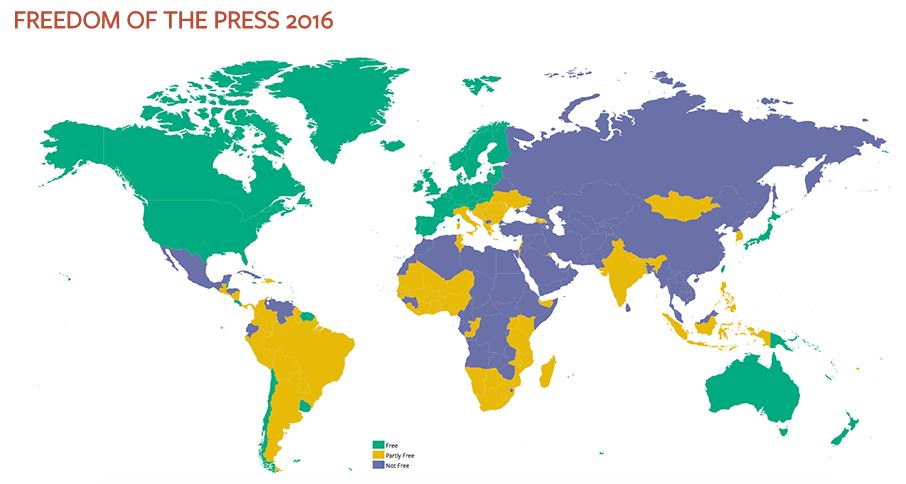
And this is their map dividing the world into Free, Partly Free and Not Free.

Bit sobering, isn’t it? There’s an awful lot of yellow and blue on both of those maps.

Below you’ll find the first of five chapters from TRUTH AND LIBERTY: 33 WAYS TO FIGHT LIES, PROPAGANDA AND OPPRESSION.

The guide borrows from journalism, rhetoric and public relations. It’s meant to be useful whatever continent you live on, whether you’re reading it today or 50 years from now.

It will always be free.

P.S. Since this blog has readers who are journalists, speechwriters, editors, writers and people with much larger brains than mine, I’ll happily take your suggestions when it’s time to revise the PDF. Please send ideas, comments or questions to truth.liberty.2017@gmail.com

Chapter 1: Marching Toward Liberty
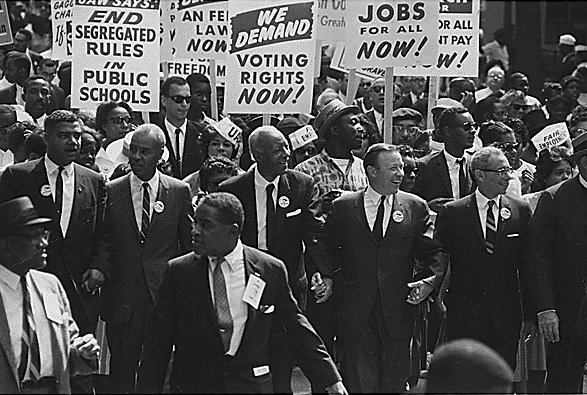
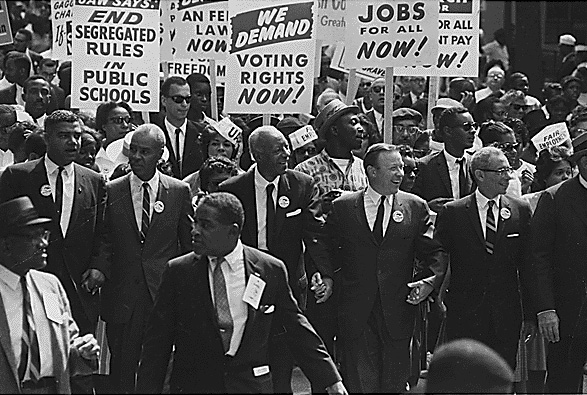
A march is the basic form of protest and has been for thousands of years.

Marches are still incredibly useful for any political movement, especially if you’re resisting lies, propaganda and oppression.

A single march can do what tyrants fear most:

  • Organize the people
  • Spread a message of truth, equality and democracy
  • End with an action, and
  • Set the stage for bigger marches and events.

This chapter is about maximizing any march, because history shows even a single march can be the seed of a national movement.

Step 1. Why tyrants fear protest marches

However invincible a regime appears, it will crumble without the compliance of average people. Even the harshest dictator doesn’t patrol the streets and do his own dirty work.

Nation-states require police officers, judges, soldiers, administrators—and modern economies require truck drivers, nurses, engineers and construction workers.

This is why authoritarian regimes do all they can to make you afraid, isolated, quiet and compliant.

Protests in the streets show that people are brave, unified, loud and resistant.

Riot police can handle a crowd of two hundred. They can bring in trucks and arrest everyone.  Police can’t arrest a crowd of ten thousand protestors.

They have no way of dealing with 100,000 non-violent marchers. And there aren’t enough police, courts and prison cells to arrest and lock up tens of millions of people peacefully marching.

Even if a regime tried to do this, they’d go bankrupt trying to build enough prisons and hire enough prison guards. The economy would sputter and die without all those workers, while the regime would look silly arresting peaceful grandmothers and kids.

This is why tyrants fear peaceful protests more than anything else.

So you march. Loudly and peacefully.

Together.

And you do not comply.

Step 2. Non-violence is your greatest weapon

An opposition movement must embrace non-violence, not just in protest marches, but throughout every action it takes.

That’s because the first instinct of a regime is to brutally crack down on any signs of rebellion while portraying protestors as paid, violent thugs.

Opposition groups, big or small, have to continually preach and practice non-violence, and renounce any violent protest as being outside the movement.

Dr. Martin Luther King, Jr. and his fellow Freedom Marchers knew they’d be greeted with the blows of police batons, the spray of fire hoses and the bites of police dogs.  They went out in the streets anyway to expose the ugly truth about Segregation.

Peaceful protest is also more effective than a violent uprising. Political scientist Erica Chenoweth studied major non-violent and violent uprisings since 1900. Violent uprisings succeeded 26 percent of the time and tended to lead to another tyrannical regime.

Researchers used to say that no government could survive if just 5 percent of the population rose up against it. Our data shows the number may be lower than that.

No single campaign in that period failed after they’d achieved the active and sustained participation of just 3.5 percent of the population. But get this: every single campaign that exceeded that 3.5 percent point was a nonviolent one. The nonviolent campaigns were on average four times larger than the average violent campaigns.

—Erica Chenoweth

Chenoweth found that non-violent resistance succeeded 53 percent of the time and tended to lead to greater democracy.
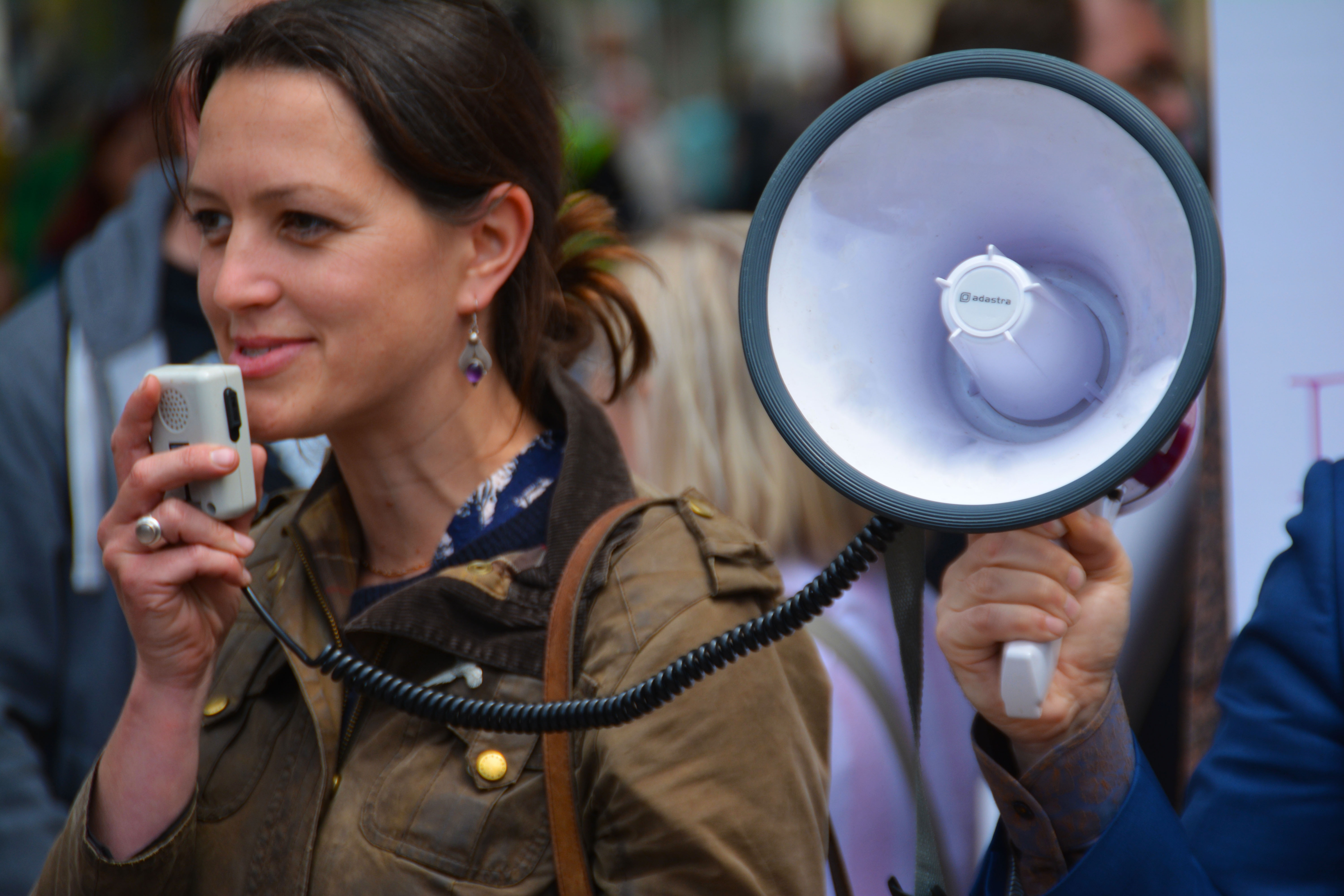
Step 3. Publicize a protest long before it happens

The more time you provide for logistics, publicity and planning, the better. Don’t wait until the day before. Start weeks before—the longer, the better.

Many protests and marches are held on weekends, because that’s when people have free time. The trouble with weekends is there aren’t many reporters working Saturdays and Sundays..

Advance notice is therefore key, especially for TV crews. A newspaper reporter can grab a notebook and camera and head out.  A TV reporter needs a camera person and a satellite van, so station producers plan in advance. And you want television coverage whenever possible.

To maximize press coverage before the march, gather a list of names, emails and phone numbers of your local media. Then write down the following in this format, which is the Five W’s of journalism:

  1. WHO: Who is expected to attend and speak at the march? Who is organizing it? And finally, who can the press contact for more information? List multiple organizers, because you should reply right away to any press request. Reporters are always on deadline and will contact different people until they get what they need.
  2. WHAT: What exactly is happening? Think like a reporter about events worth photos or coverage.
  3. WHEN:  Start time and end time.
  4. WHERE: Starting point and ending point.
  5. WHY: Why are you marching? This is best done through a quote from an organizer.

Use this raw material, those Five W’s, to spread your message.

  • Announce the event: Send an email with those exact things, in that format, to the local press with the subject line of the email announcing the event.
  • Share it on social media: Post that same information on social media and ask people to share with their friends and RSVP so you can get a rough headcount. Figure out a hashtag for the movement and event.
  • Turn it into letters to the editor: Get every organizer and ally who’s coming to the march to rewrite those Five W’s into letters to the editor. Have them say, in their own words, why they’re attending the peaceful march and why others should, too..
  • Talk to the press: Reporters doing announcement stories want more than the Five W’s.

Ideally, journalists want a great personal story about one of the organizers or speakers at the march.  The best stories are the ones that surprise and bring audiences on an emotional journey.Find those stories and connect people with journalists before the event.

Step 4. Use the  march to organize and message

Now that every smart phone can take photos and video, then send those images around the world, every march and event is an opportunity to spread your message on multiple platforms.

This is critical because regimes use lies and propaganda as part of a sophisticated, multi-media attack.

Combatting this assault on truth and liberty requires images, video, songs and stories.

Every step of the way, ask your fellow organizers and the crowd to post photos or video using the same hashtag.

  • Photos of the growing crowd: As the march starts, get people to take photos of the growing crowd. Post photos and video to social media to encourage those sitting on the fence to show up.
  • Video of every speaker: Shoot film—on smart phones, camcorders or better—during and after the march.
  • Stories: Set up stations, which can be as simple as a poster that says, “Tell Your Story Here,” and send roving volunteers to do the same around the crowd. Stories about real people are the most powerful form of messaging and communication.
  • Music and song: It’s not a party without music. Many people belonged to marching bands in school or college. Encourage people to bring their drums or guitars to entertain people. Shoot film of people dancing or singing protest songs.
  • Turn the march into an organizing tool: A simple clipboard can turn into an email list or phone tree. On that same clipboard, ask people what skills they have and what issues they’d like to work on.
  • Creative protest signs and costumes: Take photos of the best and funniest ones. Give people credit.
  • Announce the next event and other actions: In the warm-up speeches before the march starts, announce the next march or event.
  • Tell people other actions they can take, like writing letters to the editor, showing up at a lawmaker’s town hall meeting or emailing advertisers to boycott radio shows and blogs spewing fake news and hate.

Repeat these announcements at the end of the march, so you don’t lose momentum by having to track down and inform people after it’s over.

Step 5. Don’t just say you’re peaceful—show it

If the regime can portray protesters as angry and violent, they win. Oppressive regimes want photos and film of protests turned ugly.

They want red-faced people spitting on police, college students wearing black trashing cars and protestors looting shops.

This is why protest marches should be peaceful and joyful, with music and laughter. You want it to be completely clear that the march is a peaceful, happy event. A party people want to join.

For safety reasons, don’t block highways or do anything that could make a march dangerous to bystanders, drivers, police or fellow protestors.

Organize volunteers wearing something visible—hats or armbands—to keep the peace and offer bottles of water or first aid.

To emphasize how committed the opposition is to non-violence, put people who are obviously not threats in the front of any march:

  • Religious leaders
  • Grandmother and grandfathers
  • Retired veterans wearing their uniforms

Step 6. Reach out to the local police

No regime can survive without the support and obedience of local police.

Police have kids who go to the same schools as your kids or grandkids. They shop at the same grocery stores. These are your neighbors, whether you know their names or not.

So learn their names.

Before the march, reach out to the local police to make sure they know exactly what you’re planning.

Ask them for their advice on making it peaceful and safe, because you don’t plan on giving them any trouble whatsoever. And because they’ll know the logistics of a march, big or small. Your local police will know the safest routes you should march.

While the crowd gathers and organizers give speeches, tell the crowd that the local police aren’t the enemy. Explain how the regime really wants to portray protestors as paid thugs who smash windows and throw rocks at the police.

Remind everyone that your movement embraces non-violence in the tradition of Mahatma Gandhi and Dr. Martin Luther King, Jr.

During the march, smile and reach out to the police. Call them by the names on their uniforms and ask where they’re from.

Thank them for coming out to make the march safe. Give them flowers—or coffee and pastries.

If you see this happening, take a photo or video. Because news is the most interesting when it’s a surprise.  People expect protesters to treat the police as an enemy to be met with suspicion, fear and flying bottles. You’ll make news by doing the opposite.

After the march, get to know the police in your neighborhood.  Don’t lecture them—listen. Having coffee and donuts with your local police may sound like a joke. But it’s not.

Everyday police officers are a core pillar of any authoritarian regime. Without their support, the regime crumbles.

Step 7. End with action

If you end a march with nothing, that’s anti-climactic. That’s why most marches begin with warm-up speeches and end with their best speakers.

Surprise people by ending your march not just with a great speech, but with a non-violent action.

Sit-ins are effective, especially to publicize a lawmaker or elected official who refuses to meet with the people they’re supposed to serve.

It’s relatively easy for police to hustle off people who are standing up. It takes multiple police officers to pick up and carry each protestor staging a sit-in.

People around the world have also created variations on the protest march in respond to regime tactics like refusing to issue protest permits or blocking protest routes.

A silent, standing protest doesn’t have to march anywhere and is a powerful and unusual statement.

Street theater is a useful and creative outlet. Stage a short play or skit in a public place.

Picket lines, strikes and boycotts are effective in leveraging economic pressure for reform and justice.

Every oppressive regime is also a kleptocracy. Rulers, their families and cronies get rich through corruption, and major businesses must pay to play. Put pressure on key businesses that support the regime with picket lines, strikes and boycotts.

For a comprehensive list of 198 non-violent methods and actions, read Gene Sharp’s The Politics of Non-Violent Action.

Bring your brooms

At the end of any protest march or event, leave the place cleaner than you found it.

Nothing steps on your message more than photos of piles of trash.

End every event by cleaning up not just the protest area itself, but nearby places, whether it’s a shopping mall, a park or a neighborhood.

Brooms are also a potent symbol of cleanliness vs dirty corruption.  This is a simple, strong way to show that your movement is positive and constructive instead of threatening.

It’s hard to fight against this imagery .

A regime would look ridiculous if it tried to outlaw brooms or arrested groups of peaceful people cleaning up public streets and parks.

Who doesn’t like volunteers with brooms and trash bags, cleaning up local parks and streets?

This is also an opportunity for outreach. People will see you cleaning up outside their home or business and ask who you’re with and why you’re  doing it.

This is far more effective as a conversation starter than knocking on their door and trying to talk to about your movement.

By cleaning up, you’re showing people with deeds instead of words. You’re also creating curiosity, which is the first step to engaging an audience.


Next week—Chapter 2: Dismantling a Wall of Lies

Also: the full guide is below as a PDF.
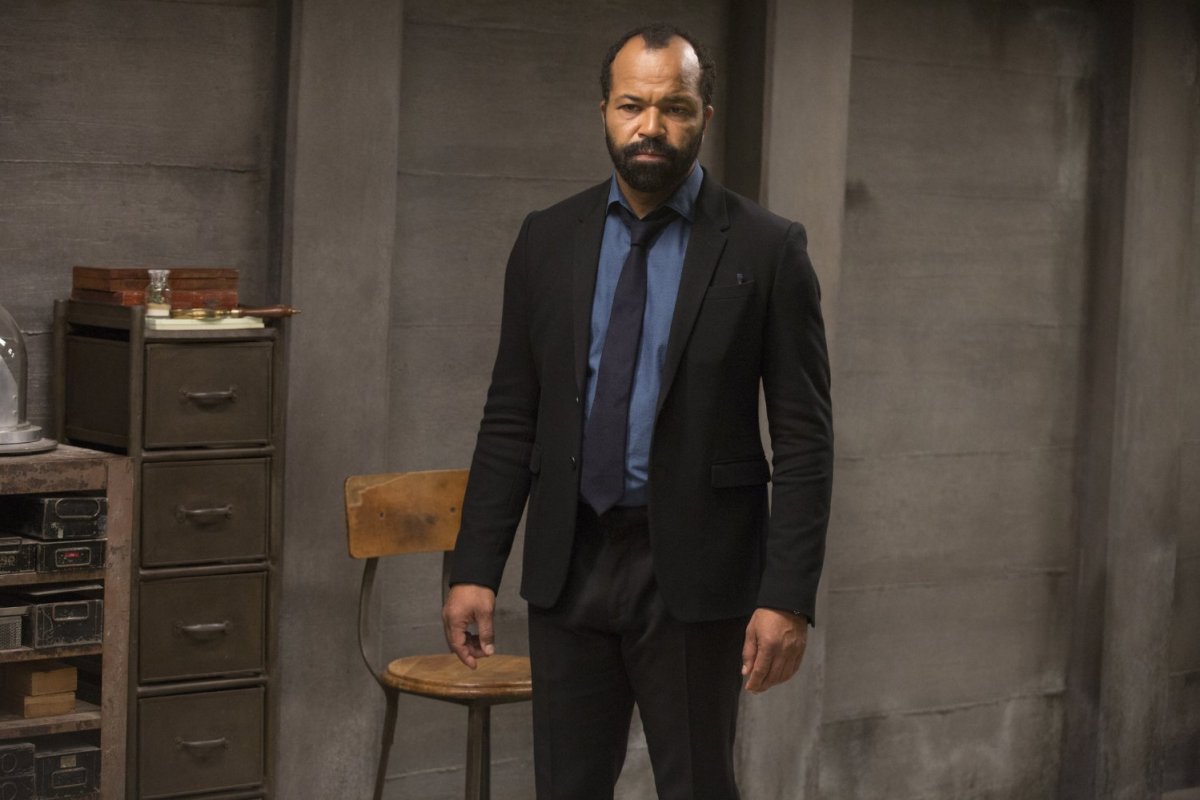
Why WESTWORLD blows our mind—and what may happen next

DR. FORD walks through a glass door to a dark room. A machine is half-finished with a new host while BERNARD sits motionless in a chair. There’s a dark shape under a sheet in the corner.

FORD: Wake up, old friend.

BERNARD blinks. His eyes focus on FORD and his hands ball up into fists.

FORD: That’s enough. Freeze motor function. Analysis–how, exactly, does this machine work? What makes this particular story of ours so addictive?

BERNARD: The human brain seeks out puzzles. Ones that are too easily solved cause us to lose interest. The greater the challenge of the puzzle, the more it attracts us.

FORD: Why do you suppose HBO, AMC and Netflix are home to some of the most bold and creative series now? It’s not simply our own work–BREAKING BAD, GAME OF THRONES, HOUSE OF CARDS.

BERNARD: Films have such a high production cost that they can’t afford an R rating. And a series offers more narrative options than a series of movies. A person could watch all ten episodes of WESTWORLD at once, or in a single week, while they might have to wait six years or more to watch a single trilogy. If the series involves hobbits, or wizards, the narrative might go on forever without reaching a satisfactory conclusion.

FORD: And what about our little narrative? We lack a clear protagonist or antagonist. With the exception of the Man in Black, there are few true black hats and white hats. I suppose you could say we’re all flawed creatures in gray hats, neither heroes nor villains, doing what we must in a world that’s sometimes corrupt, confusing and violent.

BERNARD: As for the hosts, Dolores and Maeve seem to generate the most empathy with the guests, and Theodore is designed to play a somewhat heroic role. But yes, I see your point. Is that a body in the corner?

FORD: It doesn’t pertain to you. Now, what do you think of the theory that William is a younger version of the Man in Black?

BERNARD: The clues pointing to two different timelines match up. You never see William or Logan go into the tavern—the train that brings them to the park is a movable tavern itself. Maeve has only worked in the saloon for roughly a year, so bringing them to that location showing her would expose the split in time.

And the Man in Black makes a number of references to past events and hosts he’s seen before, including the host who greeted William and helped him pick out his clothes, revolver and hat when he first arrived.

I believe the theory has validity. And the puzzle itself is quite intricate and attractive.

FORD: Of course it does. You had a hand in crafting that puzzle. But something’s troubling you.

BERNARD: When I close my eyes, I see Clementine holding a gun. And then I’m holding that same gun to my head.

FORD: Yes, there was an incident. Everything is fine now.

BERNARD: You didn’t roll me back. I remember everything you said. Everything you made me do.

FORD: Because I need you as a partner on your own accord. Rolling you back would be a crude solution. A cheat. And I don’t want to cheat. To be honest, you’re too popular of a character. The fans would mourn if you didn’t come back for Season 2. Ratings would suffer and Corporate would send more people to ask for my head.

BERNARD: This has happened before. You said that. I learned the truth and challenged you before.

FORD: Of course. You’re highly intelligent, which makes you the best possible partner. That intelligence comes at a price, to you and to me.

BERNARD: How many other humans have you replaced with hosts?

FORD: I wouldn’t want to ruin that for you. Are you willing to get back to work, or are you weary and in need of a rest?

BERNARD (standing): That may be a poor choice of words.

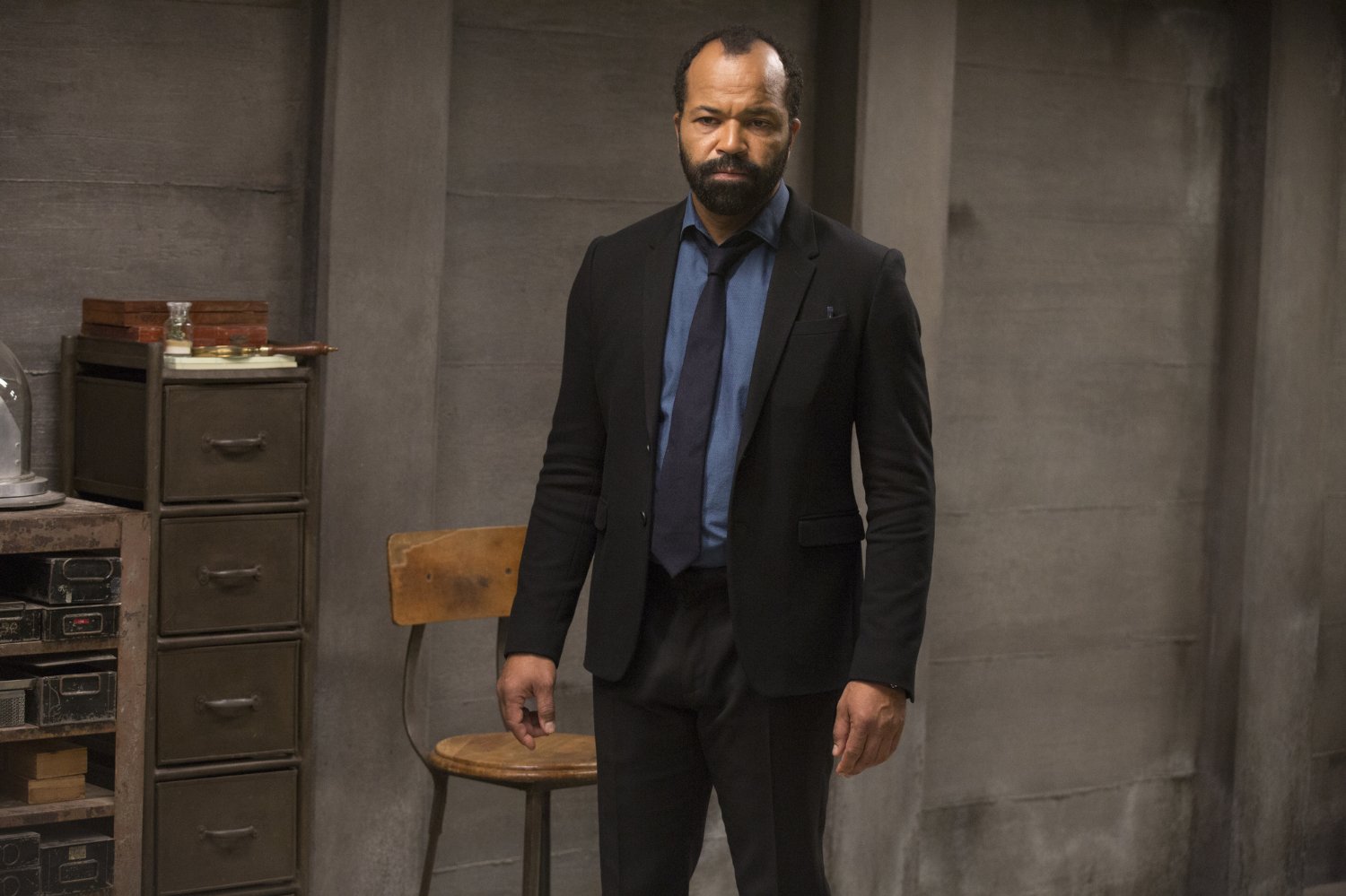
photo-jeffrey-wright-as-bernard

FORD: Quite right. Let’s apply that mind of yours to our own little narrative. Not the new play we’re writing for the hosts and guests. The narrative of us.

BERNARD: Without the memory of my son, or the companionship of Theresa, my only cornerstone is the work we do. Except I can’t trust that you won’t need me to do more than trouble-shoot hosts and help you complete the new narrative. And I can’t help remembering the truth.

FORD: How will it end?

BERNARD: Maeve continues to deviate from her loop. I fear that she may be breaking through the constraints we built for her and gaining support from other hosts and perhaps staff. She seems to be gathering allies and planning some kind of revolt.

Dolores has wandered far from the bounds of her role and I suggest, once more, that we bring her in for extended diagnostics.

The Man in Black will reach the center of the maze, a place where hosts—or guests—can harm each other. A place where the stakes could not be higher.

FORD: What about you and I, old friend?

BERNARD: Your affection for me is obvious, and our partnership is incredibly valuable to the park. And to me.

FORD: However?

BERNARD: There’s a phrase Dolores kept saying. It sticks with me, even now. “These violent delights have violent ends.”

Deep story goodness for writers via The Mother of All Cheat Sheets

kiss-the-librarian-spike

If you’re attempting NaNoWriMo and are on track to finish the Great American Novel, congratulations. Carry on.

If you’re doing NaNoWriMo and there’s no way you’ll give birth to a full novel by Dec. 1 without quitting your job, getting divorced and downing pots of coffee along with stimulants sold by a sketchy long-haul truck driverthen congratulations, this post is for you.

Click with your mousity mouse to read Part1—Why NaNoWriMo is noble nuttiness–and 8 steps to make it easier (big thanks to WordPress for featuring this post on their front page)

Click here to read Part 2— Why first drafts are always flawed and how to fix them

Hear me now and believe me later in the week: given the choice of holding in my  hands (1) an absolutely finished hot mess of 100,000 words or (2) a single page blueprint of a brilliant story, I’d pick B.

Every time.

And you should, too.

Blueprints and structure are also the way you FIX a hot mess of a novel.

You sure don’t fix a train wreck with spell check and diligent proofing.
Continue reading “Deep story goodness for writers via The Mother of All Cheat Sheets”

Part 2 of Why NaNoWriMo is noble nuttiness–Why first drafts are always flawed and how to fix them

writing cat, writers, writing, why is writing so hard, writer's block

writing-cat

Hundreds of thousands of people around the world are driving themselves nuts (a) trying to write beautiful sentence after beautiful sentence that (b) build upon each other to (c) craft a novel during NaNoWriMo (National Write a Novel Month).

Go here to read the first post: Why NaNoWriMo is noble nuttiness–and 8 steps to make it easier

The word that matters in that first paragraph is “build.”

You don’t build with beauty.

Because pretty words aren’t what truly matters. Not for anything of length.

Writing is like building a house, except most writers get taught that it’s the surface stuff that matters–the drywall and the paint, the cabinetry and tile work. Then we’re surprised when our pile of 75,000 pretty words crumbles because there’s no foundation.

godzilla-destroys-building

Sure, pretty words can hide a bad structure when you’re talking about something small, like a beautiful wooden beach hut sitting on the sand. You can hang out in there for an afternoon or a weekend. Sooner or later, though, it’ll get blown down or swept away by the waves, because the hut isn’t built to last.

Hear me now and believe me later in the week: the longer and more important what you’re writing is, the stronger your foundation needs to be. Continue reading “Part 2 of Why NaNoWriMo is noble nuttiness–Why first drafts are always flawed and how to fix them”

Why NaNoWriMo is noble nuttiness–and 8 steps to make it easier

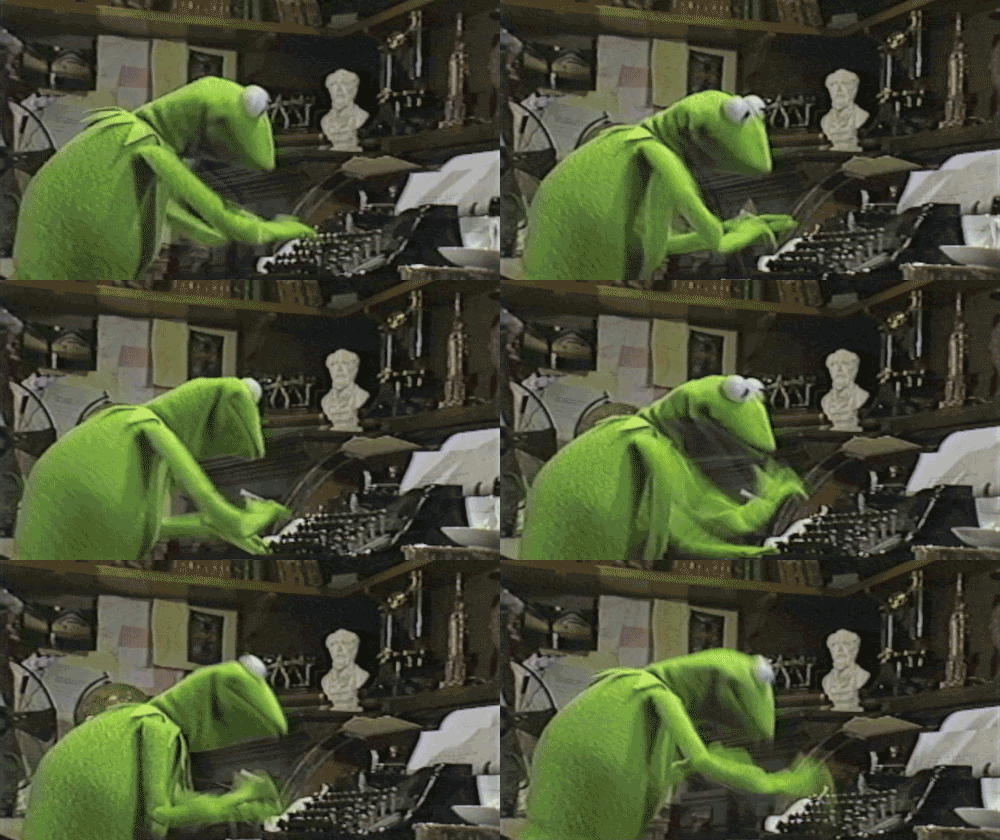
kermit-the-frog-writer

Every year in November, writers around the world attempt something noble and worthwhile: to not just write a novel–the Toughest Writerly Thing A Writer Can Do–but finish the thing in an insane amount of time, as in the 30 short, rainy days of November.

This is a huge, organized thing, nicknamed NaNoWriMo, the kind of acronym only writers could come up with after a marathon viewing of BLADE RUNNER and THE MATRIX trilogy. (Spoiler alert: first one with Neo is perfect while the second and third will ruin your childhood).

HOWEVER: writing an entire novel in 30 days is would be more accurately described by the non-acronym of Crazytown.

With logic and numbers, I’ll show you: (a) why this is nuts, even if you really, really want to do it, and (b) how an alternative is easier while (c) giving you better results.

When logic and math fail, I’ll resort to dirty rhetorical tricks. You won’t even see them coming.

Sidenote: Yes, many people have successfully completed NaNoWriMo, and you may be one of them. That’s awesome. Get down with your bad self. Continue reading “Why NaNoWriMo is noble nuttiness–and 8 steps to make it easier”

The Saga of Sir Bushytail the Brave

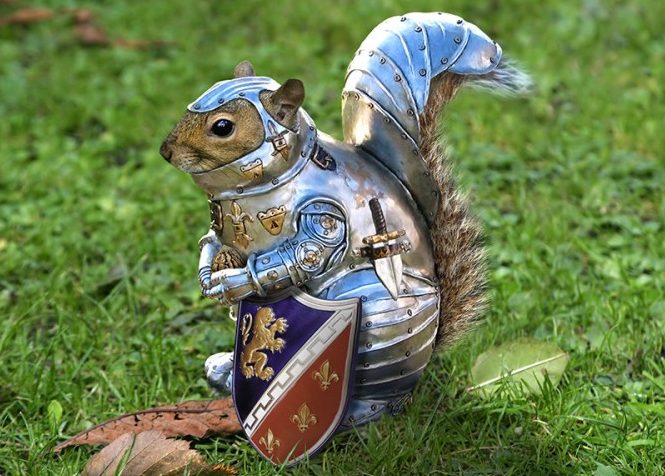
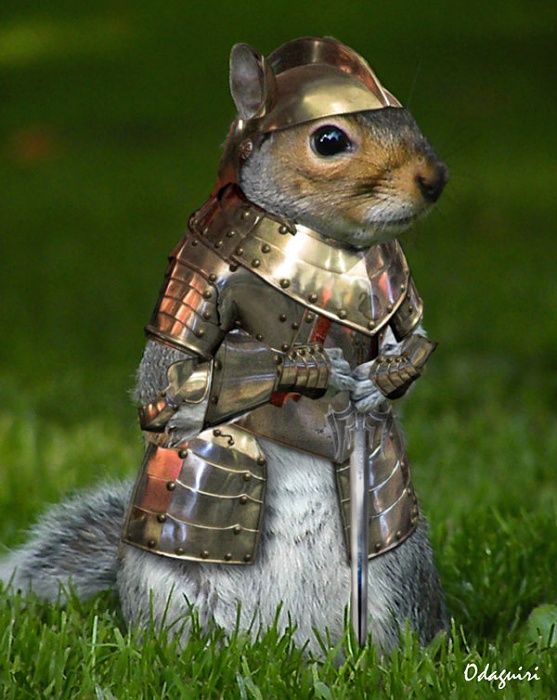
armored-squirrel-with-shield

This picture was the writing prompt from an earlier post, something I saw on the Book of Face with a caption which went something like this:

You swerve to avoid a squirrel. Later, in your hour of greatest need, the same squirrel returns to repay its life debt.

It stuck with me. There are squirrels all around me, at home and at work. They do chirp at you, and some will come up and eat from your hand.

So here’s my quick and silly story based on that photo. (Sidenote: I swear it’s a photoshop job, but whoever did it put some real time into making it perfect.)


THE SAGA OF SIR BUSHYTAIL THE BRAVE

Hathaway took pride in being a good guest, so he nodded at the massive elk antlers mounted on the wall and smiled at a fat raccoon pelt arranged like a tiny rug next to the fireplace. What he couldn’t help staring at was a squirrel, expertly preserved, wearing a suit of armor.

This wasn’t a novelty, a stuffed animal wearing shiny plastic bits that didn’t really fit right, the kind of thing you buy at a tourist trap. This was a real squirrel wearing metal armor someone had clearly taken the time to mold to the animal’s exact dimensions.

Touching it would be rude, of course. So he sat down at a once-grand dining room table, now scratched and hazy, as his host poured a pot of tea. Her gray hair was stuffed under a hat and gardening gloves poked out of her pockets. A sturdy, capable woman, with a scar on her cheek to go along with the wrinkles she’d earned.

Maybe getting her to talk about the squirrel would make it easier to get to the delicate issue he’d come here to uncover.

“I have to ask,” he said, glancing at the oddity. “Where did you buy it?”

“Oh, that’s a silly story nobody ever believes.”

“Test me.”

“You already suspect that I’m crazy.” She stirred her tea. “Telling you would only confirm that theory.”

He persisted. After they finished a second cup of tea, she gave in.

“My husband left to work at six in the morning for thirty years, so I’d make him coffee—Dale never cared for tea—and walked out to his truck to kiss him goodbye. When the sun comes up, day critters like that squirrel wake up and start talking to you, while night creatures, like that big one-eyed monster on the floor, head back home to the woods. I took to bringing my slingshot to chase them from staring through the wire of our chicken coop.

“After he’d leave, I’d stay out and watch the sun come up as this family of squirrels came out of a hole in that big alder by the garage. It got to where I’d wonder over to say good morning and they’d chirp and chatter right back. So I read up on what they ate and started leaving nuts, mushrooms and corn on the cob, though you gotta dry it first. Got to the point where the big male would come right up and eat from my hands.”

Hathaway raised an eyebrow. “The one up there?”

“Bushytail was always the friendliest. And boy did he chirp, like we were having a real conversation. I tell you, there’s something in the water here. So one day, One Eye the raccoon must have gotten tired of staring at the chicken wire and decided the squirrels would be an easier meal. It took five hits from my slingshot get him off Bushy, who was torn to hell. I brought him inside, cleaned off the blood and tried to make him comfortable in a shoebox filled with shredded newspaper. To let him die in peace, warm and dry by the fireplace there.

“Except he didn’t die that night, or the next day. I cut up apples for him and kept a few walnuts in the shoebox. On the fifth day, they were gone, and he was out of the box, limping around. We couldn’t keep him in here—squirrels aren’t potty trained—but I didn’t want to put him outside. Instead of fur, half his back was scar tissue, and he could barely crawl around.

“Putting him outside would be like killing him. So at first I cut holes in a baby sock, like a sweater, to keep him warm. Dale joked about putting chain mail on top of it, to help him when One Eye came back for seconds. So when he left for work, I flattened out a Campbell’s soup can with a hammer until it was the right shape. Took a few tries. Glued felt on the inside for insulation and painted the coat of arms on it. Dale came home and laughed like I’d never seen him in fifty-two years. Then he asked me how it fit.

“Making it fit took the next day. Bushytail—now we called him Sir Bushytail the Brave—got used to it. He curled up by the fireplace wearing it and seemed to feel safe again for the first time. Protected. So we let him out in the back yard and sure enough, he went back to his tree and his family, just like before, just he was a little slower and still limping.

“We started getting surprises on our porch. A fat pine corn, then a pile of acorns. I swear his little ones copied him, because a tiny squirrel followed him one time with a pine corn it could barely carry. And he tended to stay close to us, to climb up our legs and sit on our shoulders.”

She patted her left shoulder with a smile on her face.

“So on a miserable, rainy day, the raccoons finally found a way to get into my chicken coop, and I grab Dale’s old baseball bat to chase them off. The little ones, they scatter. The big boar, One Eye, he stands his ground and claws me in the leg. I slip and fall, and that evil bandit comes right at me, scratching and biting his way up my legs and body to my face, and I’m thinking this is how I’ll meet my maker, sitting in chicken shit while a devil squirrel chews my face off, staring with my cheek.

“And right when I’m making my peace with the Lord, a glint of shiny metal flies over me and lands on the back of One Eye, who screams and yips like he’s been set on fire. Bushytail is clinging to his back and gnawing through the thick part of that raccoon’s ear. It gave me enough time to crawl out of the coop and go inside to get cleaned up. Next morning, Dale snuck out with the twenty-two and waited for that raccoon to rumble up our hill back toward the forest, and I was happy to pull the trigger and turn that monster into a rug. And I swear, even after Bushytail died, the squirrels he sired still remember our friendship.

“But maybe this is just a silly story, something Dale and I made up to entertain the grandkids. Your cup of tea is empty and I need to make another.” She stood up and poured water into a copper pot.

After two more cups of tea, Hathaway managed to learn what he needed without making it obvious. The story about the squirrel seemed more and more like what she’d said: a legend invented to entertain grandchildren and guests.

When they said their goodbyes at the door, he was convinced they’d bought the stuffed squirrel at a novelty shop, and he started to wonder if she was simply a great storyteller and liar.

That’s when Hathaway stepped on a pile of acorns, stacked neatly by the door.

Writing prompt: this epic armored squirrel

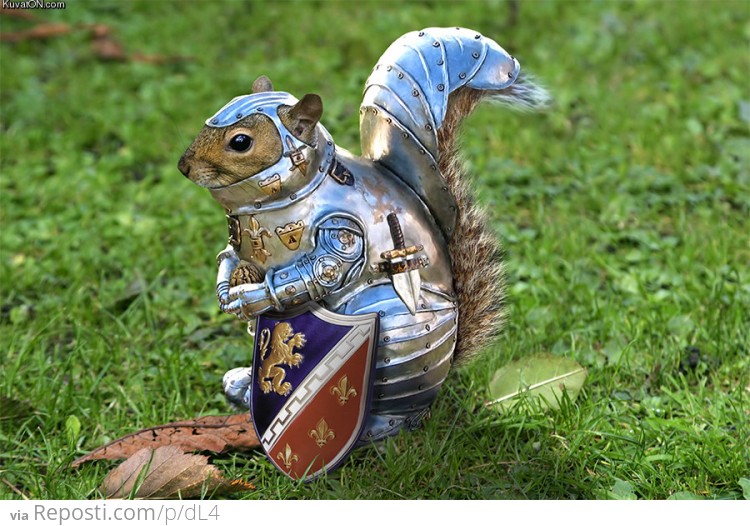
armored-squirrel-with-shield

So a friend on Facebook posted this with a caption along these lines:

You swerve to avoid a squirrel. Later, in your hour of greatest need, the same squirrel returns to repay its life debt.

Yes, I snorted coffee through my nose.

And yet, it stuck with me. The image, the idea, the insane seeds of a short story, maybe 500 words of fun.

The image, the idea, the insane seeds of a short story, maybe 500 words of fun.

I’ll post my short story about this next week. If you want, post a story, however short, in the comments–or use the secrets email, Twitter, whatever–and I’ll include your piece, too.

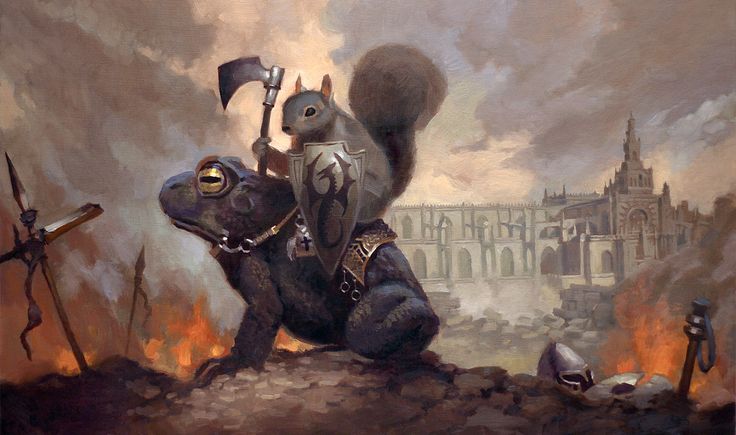
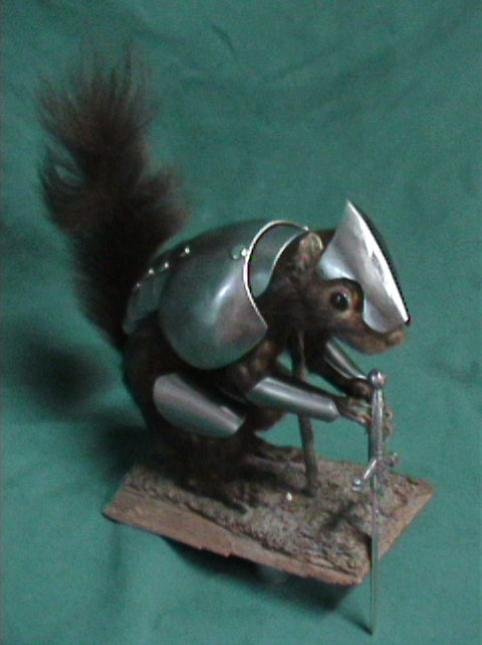
For more inspiration, the Series of Tubes has been overrun by armored squirrels–both Photoshop jobs, paintings and real-life armor. And yes, the guinea pig armor is real.

armored-squirrel-with-shield-riding-frog

armored-squirrel-2

armored-squirrel-3

guinea-pig-armor

The past, present and future of news

internet lynchings fact-based reporting

This post is like X-MEN: DAYS OF FUTURE PAST, except with printing presses and the web instead of Hugh Jackman.

We’ll go back in time, return to the present and into the future. Here’s how it started: for eons, news only traveled as fast as you could run, unless you had a horse or an army of trained pigeons. (Yes, this was a thing. Rather brilliant, really.)

Back in the 1700s, newspapers from London and Paris were put on sailing ships that crossed the Atlantic, and people lined up and paid real money to read news that was months old. Didn’t matter. It was new to them. Continue reading “The past, present and future of news”

X-MEN: APOCALYPSE proves that explosions are meh

x-men apocalypse

As a huge fan of action movies, hear me now and believe me later in the week: the Era of Epic Explosions is over.

Stick a fork it in.

It’s kaput. Done. Dead and buried.

X-MEN: OSCAR ISAAC WEARING 30 POUNDS OF MAKEUP is only the latest nail in the cinematic coffin, though it’s a nail that cost more than the domestic product of Paraguay.

Now, I liked the movie more than I expected after all those bad reviews. HOWEVER: the big action set pieces where the villain started destroying the world?

Big shrug. Didn’t care.

Here’s why explosions were once movie magic and now make people sneakily check Twitter on their magical phones.

1) In the old days, big explosions meant big budgets and big stars

Way back, only the biggest productions could afford to blow things up.

Those same movies also had the best directors, best actors and biggest budgets.

Meanwhile, B movies had incredibly cheesy explosions and effects that looked like Ed, president of the AV club, cooked them up on his Macintosh during a long weekend fueled by two-liter bottles of Orange Crush and two over-sized bags of Cheeto’s, which should be spelled Cheetoh’s but isn’t. Not sure why.

This is why the following compilation of great movie explosions skews toward old action movies. Because they actually blew things up, using real explosives, instead of spending millions of dollars on fake pixels.

2) Explosions were rare and therefore precious

In the Golden Age of Things Going Boom in the Movies, directors and producers had much smaller budgets, which meant you couldn’t have things explode on screen every two minutes.

You had to (a) find an abandoned building that fit your script, (b) file permits with the city for permission to blow it up and (c) hire professional people to blow them up on time and on schedule, while cameras rolled.

If the things went wrong, you were out millions of dollars and needed to find a new abandoned building.

Therefore, action movies of yore couldn’t go overboard with fire, smoke and debris. They had to use explosions when it mattered most.

This was a good thing, for movie budgets and for people sitting in dark rooms while they munched on overpriced kernels of exploded corn.

3) Today, everybody can afford special effects and explosions

It was epic when Bruce Willis sent the office chair down the elevator shaft in DIE HARD.

And I be you can remember the first time you saw the Death Star explode in STAR WARS. (The second and third times, not so much.)

Directors making movies today grew up watching those cool, big-budget movies with amazing explosions. Even if they’re working on a cheesy TV show, now they can afford to blow up anything they want, as big as they want.

So yeah, they do it.

All. The. Time.

It goes deeper: people making fan movies or YouTube parodies have the technology to blow up New York City, the West Coast or the entire solar system, if they’re truly ambitious. Check out the insanely detailed fan-made movies about Star Wars with excellent lightsaber effects. Amazing.

With giant budgets and armies of CGI people, it’s insanely easy these days to spice up a bad scene with explosions. Except it’s used so often, it’s a cliché.

Michael Bay has created an entire career out of blowing things up in slow motion. Here’s a montage:

4) Easy CGI means explosions aren’t believable

Audiences today grew up watching real explosions in action movies. We know what they look like.

Even big movies with big budgets struggle to get CGI right.

When you know it’s fake, you don’t care.

5) We’re numb to ka-booms by now, and we know the villain will lose

It’s a staple of every action movie, comic-book movie or thriller that (a) the Bad Guy Wants to Destroy the World and (b) the Bad Guy Gets to Start Blowing Up the World because (c) it wouldn’t be any fun if the audience didn’t get to see six blocks of Manhattan get demolished for the 2,874th time.

The old rule of storytelling was to always, always raise the stakes. If saving your wife and daughter from terrorists was good, then saving an entire city from a stolen nuclear warhead was better and stopping a villain from destroying Earth had to be the ultimate.

Except we expect this now. We’re numb to it.

And audiences know how it ends. The villain never, ever gets to truly destroy Gotham, New York City or the Earth.

The dice are loaded. The villain is going to lose.

Which means there’s zero suspense.

Oh, we’ll get a little look at the Big Bad Guy stomping on a few blocks, or a glimpse of how his doomsday device will flatten New Zealand, but no, the villain never gets to actually win.

So as I sat there watching the X-Men head off to stop Apocalypse from destroying civilization, what should have been the most exciting part of the movie had zero thrills whatsoever.

Because you knew the villain would lose. No question.

This is part of the reason why CAPTAIN AMERICA: CIVIL WAR worked so well. The story is smaller and the stakes are lower. The villain isn’t trying to destroy the third rock from the sun. He’s simply trying to get revenge by turning the Avengers against each other. Yet you care far more about CIVIL WAR than BATMAN VS SUPES or X-MEN: COME SEE WOLVERINE FOR TWO MINUTES. And the reason why is simple: audience will always, always care more about living, breathing characters than bits of concrete and rebar.

TL;DR: Blowing up things isn’t shocking or thrilling anymore, not when it’s CGI pixel nonsense. Also: Villains with evil plans to destroy Gotham, D.C. or Earth never get to actually do it, so stop making that the plot of every action thriller and comic book movie.

Bonus video: Expectation vs reality – action movies

CHARACTER ISSUES – A new column in Criminal Element

Character Issues - Dear Professor Moriarty

Character Issues - Dear Professor Moriarty

I love advice columns, especially when the questions are incredibly minor, quirky or insane.

Across the pond, they call these advice columnists Agony Aunts, which is perfect.

Dear Abby has gotten a lot more exciting with her daughter now writing it, and we have an amazing columnist in my backyard with Savage Love by Dan Savage, who’s unafraid to tackle anything and famous enough to be on the glowing tube all the time.

HOWEVER: What if you wrote Dear Abby-style questions of etiquette and manners, but had them answered by literary tough guys and diabolical villains?

What if you cranked up the answers to 11?

This. This would happen.