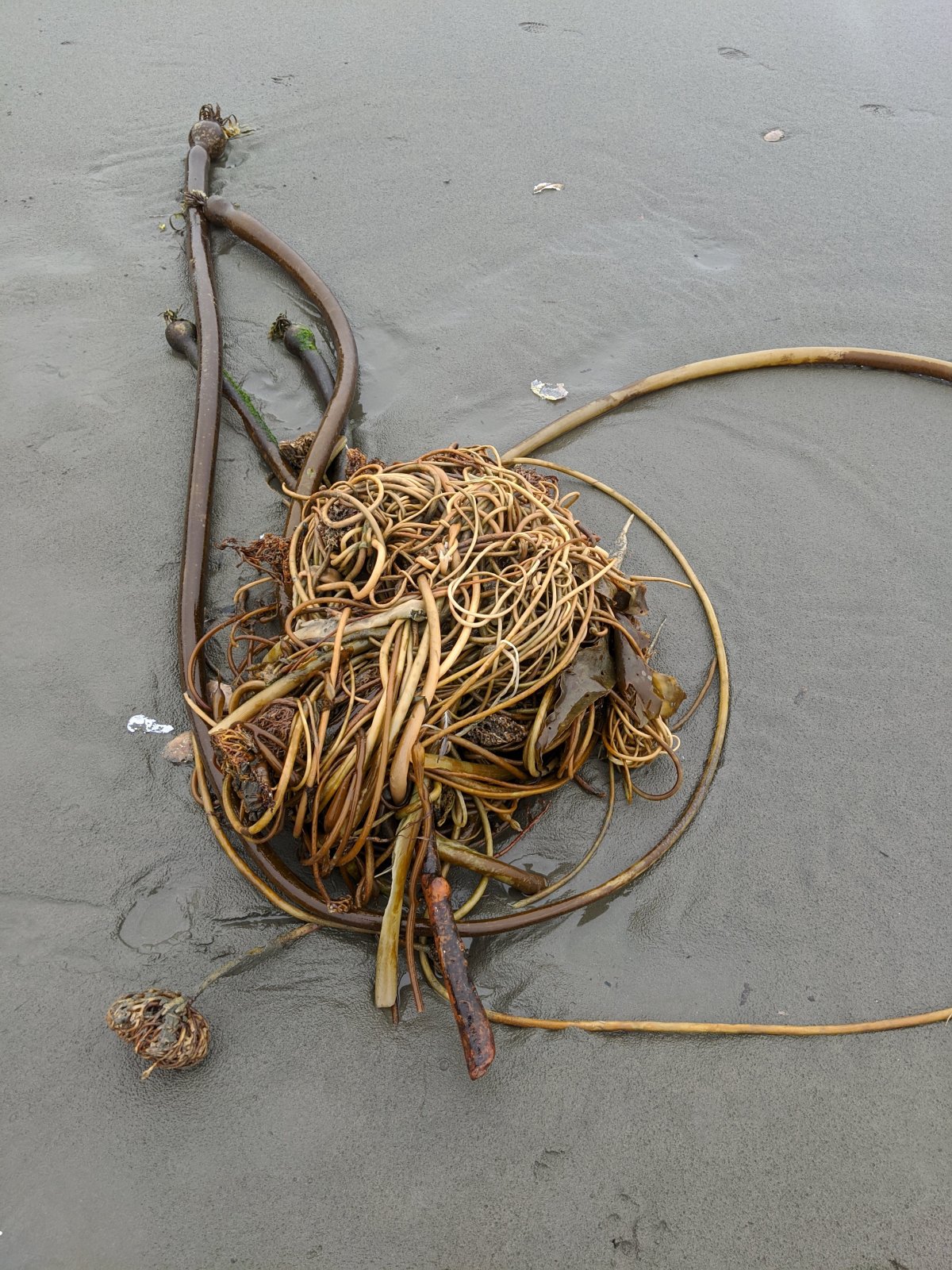
Squid beast from THE MANDALORIAN

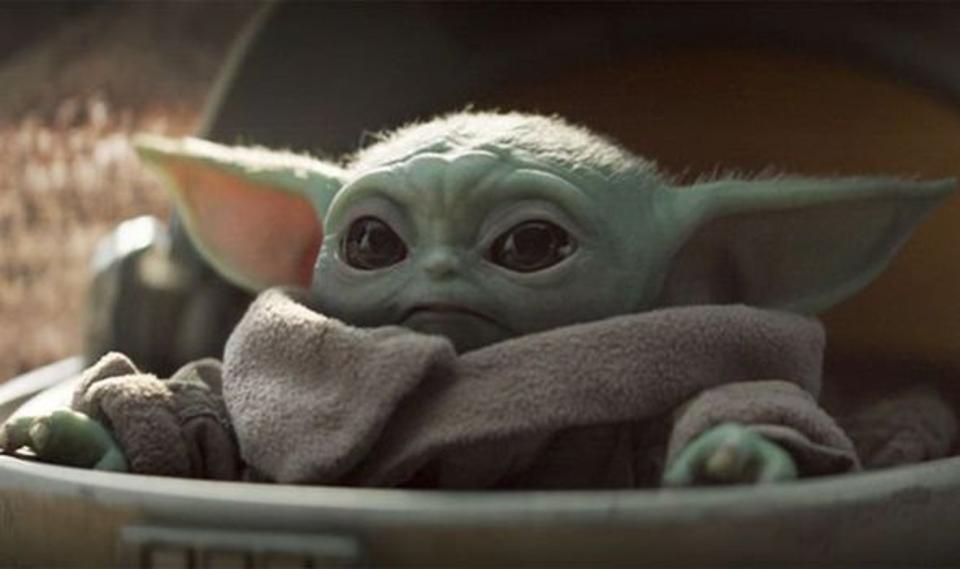
Here is a sneak peak at a vanquished monster from Episode 3.

You can’t convince me this is a harmless sea plant. Not with tentacles that fat and long.

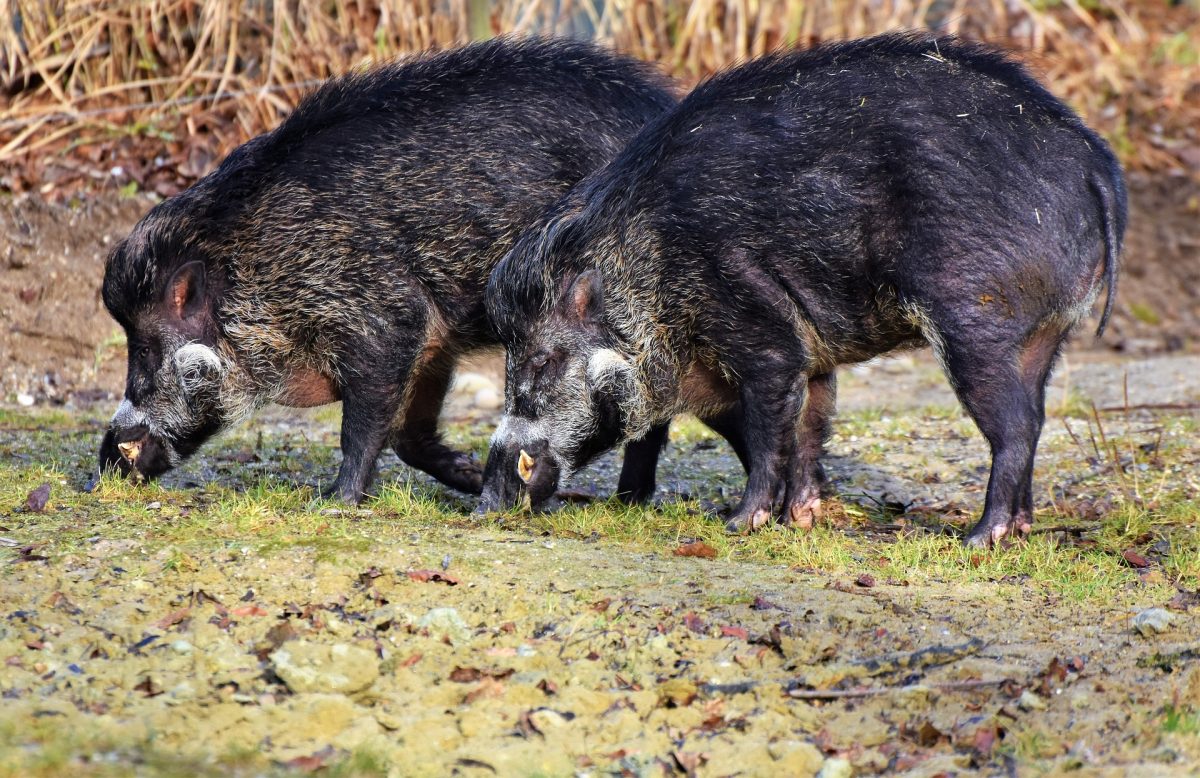
Weird news you can’t improve: Feral hogs find and destroy cocaine worth $22,000 hidden in woods

As a former journalist, and a fan of weird news, it’s rare for a story to fully combine (a) dangerous wild animals, (b) stupid criminals and (c) illegal drugs.

Usually, those sorts of ingredients turn into a different sort of weird news story, a Florida Man-style escapade with the possibility of somebody winning a Darwin Award.

But this time, it’s just comical.

I’ll post the link to the story below, but since we’re talking inverted pyramid journalism, you already get the key details.

Feral hogs find and destroy cocaine worth $22,000 hidden in woods

More importantly: What makes this story so good?

A total surprise

I’ve never heard of wild hogs finding and eating cocaine. Pretty sure you haven’t, either.

With so many sources of news online or in print, and the ability to search the Interwebs for old stories, truly new and unique stories like this rarer than a Kardashian born with an allergy to TV cameras.

Your typical weird news story about dangerous wild animals has them doing typical animal things. You know, a bear getting into your house to raid the fridge or swim in your pool. Stuff you can totally understand and predict. If you were a bear, wouldn’t you munch the nom-noms and then take a nice swim? Course you would.

Nobody, not even a crack team of screenwriters in Hollywood sitting in the desert after hitting a bong incredibly hard, would ever come up with feral hogs eating a stash of cocaine in the woods.

Karmic payback

We are wired to think of things in terms of stories, to root for heroes and hope bad guys fail.

This is a case were bad guys fail in a spectacular and funny way.

Oh, you thought hiding the cocaine in the woods was smart? GUESS WHO ATE IT ALL.

A growing problem

Feral hogs are no joke. Go ask farmers in Texas.

Over in Italy, where this happens, the population of wild pigs just doubled. Not from a few hundred roaming the woods like a four-legged Robin Hood and his band of merry, hairy buddies, sniffing around for truffles or Peruvian blow. We’re talking about TWO FREAKING MILLION feral pigs.

That’s not a little problem. That’s the first five minutes of the horror movie known as DAWN OF THE DEAD, CAUSE THE COKED UP WILD HOGS ATE YOU AND YOUR FAMILY.

Need to shorten that title, but you get the idea.

Here’s a crazy video compilation of when wild pigs attack hunters. I don’t blame the pigs for fighting back. It just shows you how quick and tough they are. Now imagine two million of them in the woods.


Ed Sheeran and Khalid absolutely nail it with BEAUTIFUL PEOPLE

As a huge fan of Khalid, and a medium-sized fan of Ed Sheeran, I was happy to find out the song I’ve been rocking out to in the car is by these two.

The lyrics are what really made me pay attention–they’re quite different. Gloriously, the music video snags those lyrics like a wobbly pass from Tom Brady (P.S. I hate you, kthxbai) and runs them 98 yards back for a thunderous touchdown.

Here, take a look and a listen.

Different, right? I love it. 

There’s no shortage of pop and rap videos where the singer shows off, rolling around in piles of money or giving us long looks at their mansion, Lambo and swimming pool filled with supermodels.

Good on Ed Sheeran and Khalid for giving us a different take. 

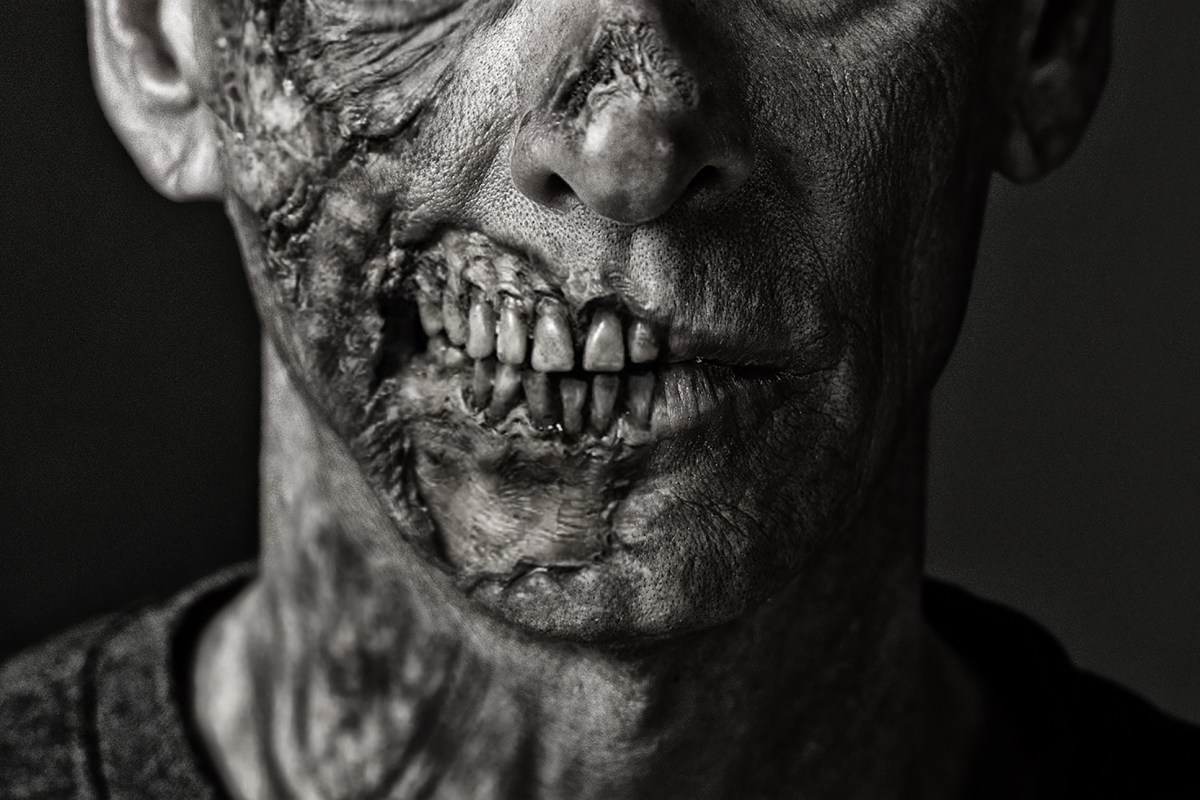
Zombie chicken breast wakes up, walks off restaurant table

Usually, a great weird news story takes a number of delicious ingredients that work together. 

  • First, you need a person, typically a man, often from Florida.
  • Second, there’s usually some substance abuse: alcohol, meth, cocaine, LSD, magic mushrooms–or, if you’re in West Virginia, wasp spray. Yeah, I’m not making that up. Vodka and crank? Old and busted. Wasp spray is the new hotness, though it might make you may curl up and die like a foamy yellowjacket.
  • Third, your average, intoxicated Florida Man has a hard time crafting his own weird news masterpiece without other actors on the stage. You need a dangerous wild animal, explosives, firearms, motor vehicles, illegal fireworks or a silly crime, like trailer park residents dressing up like ninjas to rob 7-Elevens. 
  • All this builds up to a crescendo of cray-crazy, with our anti-hero giving Mayhem a flirty look in a dive bar before buying her cheap tequila shots, making out in the parking lot and winding up half-naked in the dumpster, which happens to be on fire.
  • Finally, the typical weird news story ends with a 911 call with the police and paramedics arriving to (a) clean up the mess and (b) document the insanity. Mug shots!

Rarely do you get a great weird news story with a single ingredient so amazing that it stands alone, creating a supernova of stupidity and wonder, a blast of white-hot insanity so pure that it needs no help whatsoever from either the great state of Florida or the most powerful intoxicants on planet Earth.

This is one of those cases.

I’ve heard of headless chickens walking around after farmer’s lopped off their noggins. Seems half-mythical, half-believable, and I only believe because a family member saw it growing up and has refused to eat chicken ever since.

HOWEVER: here’s video proof that chickens have zombie powers. This freshly slaughtered chicken breast tries to fly off the restaurant table.

Here’s video proof. And yes, this is the best version of the video, with some decent science paired with silly muzak.

Undead tree stump

Here’s a bonus: there’s another zombie story in the news today, and this one is actually more important than entertaining.

Scientists in New Zealand found an undead tree stump.

Why should we care, aside from the fact that this sounds like the first three minutes of a B horror movie?

The tree stump is only alive because its roots are interconnected with other trees, all to share water and nutrients. Scientists say if this is a common practice, they need to rethink how they see forests. Instead of individual plants and trees, they may be more like a community, helping each other out and protecting against drought and erosion.

With WATERWORLD becoming prophecy, this news is actually a big deal. I’m all for anything that protects against drought and erosion. 

Zombie chicken breast, you’re spectacularly weird and wonderful.

But undead tree stump, you’re important and might help save the only home we have. 

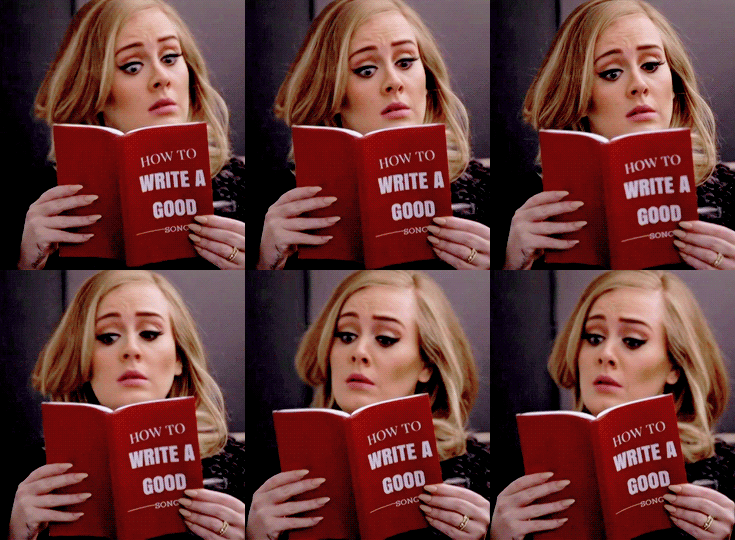
Writing should spark joy–in you and the reader

Yes, that headline is an intentional nod to Marie Kondo and her method of tidying up, where you hold up each possession and ask yourself, “Does this spark joy?”

I keep seeing some writers talk about how hard, or even painful, writing can be. 

And sure, writing at a high level isn’t easy. It takes a lot of time, talent and sweat.

Yet I’m going to argue that conventional wisdom here is completely wrong. The entire process of writing and editing not only can be, but SHOULD BE, a joy. And if it’s not, you should switch things around to make it fun rather than torture.

Reason Number 1: A better product

Humans are designed, through millions of years of evolution, to seek out pleasure and avoid pain.

If your writing and editing process are inherently painful, your body and brain will rebel every time you sit down at the keyboard or pick up a pen.

That’s unhealthy and unsustainable. And it makes for a bad product, because you’ll rush through it as fast as you can, to get that pain over with.

I’m not arguing against speed here. Writing fast, and in the flow, is a beautiful thing that should be embraced.

Yet if the process itself is painful, you’re going to (a) avoid it, (b) catch writer’s block a helluva lot and (c) not produce what you’re capable of doing.

Reason Number 2: You have to make a mountain, then let things go

Marie Kondo’s key instruction when tidying up is to make a mountain–of your clothes, your books, your papers, whatever it is you’re cleaning up. Then you go through each item and decide whether it sparks joy. If it doesn’t, you give it away to Goodwill, recycle it or send it off to Never Never Land.

Writing anything important should begin the same way.

Never try to research and edit while your write a first draft. Make a mountain of your research, ideas and notes. Look at each item. Does it spark joy?

Put the ones that spark joy in a special file or folders.

Keep the marginal things in Give Away place, a scratch file. This is also a good way to let yourself edit ruthlessly, and avoid feeling terrible about possibly killing words that took you hours to research and write. You’re keeping them in a safe home. They’ll be fine, and you can recycle them for something else if needed.

Trash what you’ll never use. And surprisingly, doing all this tends to cut your mountain down to a hill that’s only 25 percent of your original pile.

When you’re only dealing with a tiny hill instead of a mountain, writing anything of length becomes insanely easier. Instead of feeling overwhelmed, you feel confident, and all the raw material’s you’re working with spark joy. 

Writing anything of length takes discipline to get through the hard parts. Which will happen.

Joy is the fuel that gets you over those speed bumps. It’s hard to crank away at something kind of boring, like proofing a document, or doing layout, if you don’t have a reward waiting on the other side. If you only anticipate more drudgery and pain, why push through it?

Cutting down your mountain of raw material to a small hill that sparks joy also helps make these tough spots a lot smaller and more manageable. 

Reason Number 3: You have to feel the emotion you want readers to feel 

This is literally the advice we give, as speechwriters, because simply delivering lines without mangling them–in a speech, a play or a movie–isn’t enough.

You have to actually feel the raw emotions you want your audience to feel.

Because an audience doesn’t feel what you TELL them to feel. They mirror your emotions.

And I’ll argue that the best writing and speaking evoke the emotions of joy and wonder.

Sure, there are times in novel, screenplay or speech when you want the audience to feel sad or angry. But you can’t write anything of length that’s entirely angry or 100 percent sad. There has to be a mixture of emotions.

What do people want? They want joy, wonder and laughter. The other emotions, like anger, fear, sadness and horror, are powerful spices you can’t pour into a dish. They need to be used carefully and sparingly.

The best writing I do is full of joy and wonder because that’s what I feel while writing it. And yes, if you’re doing a story or speech about something sad, it’s a good sign that you tear up while writing it. If I don’t cry a little when writing something profoundly sad, then I’m doing another draft. 

And if something buried in your mountain doesn’t spark joy–whether it’s a chapter in your epic novel about elves with lightsabers and the trolls who love them, a play where all the actors are hanging upside down the entire time or the process by which you edit and proof something–try something else. 

Talk to other writers and editors on Twitter, by email or in person at conferences. They’re a friendly bunch. Ask what they’ve figured out to make some of the hardest and sometimes painful tasks into activities that are fun. Personally, I find the final spell-check and editing of a novel to be a long, hard slog, so I’ve turned it onto a game to see how many words I can kill, especially repetitive words or phrases. And now it’s a kick in the paints.

So please, embrace the pleasure of writing and editing. Feel the emotions you want the audience to feel. All of them.

Because writing and reading should do always, always spark joy and wonder. 

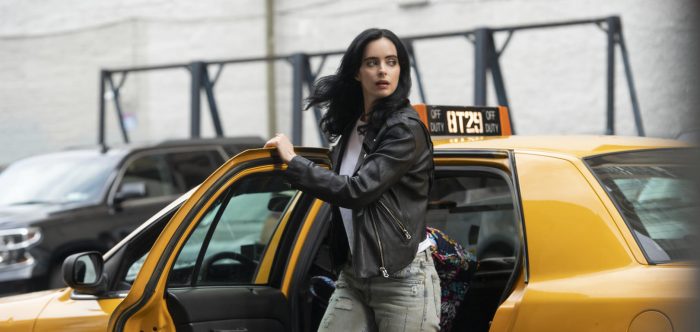
JESSICA JONES repeats the same storytelling mistake as GAME OF THRONES

So the last season of GAME OF THRONES went sideways, according to All the Fans–and as somebody who’s now watched all three seasons of JESSICA JONES, the writers and showrunners make the same storytelling mistake with the ending.

And listen, the ending is everything.

How can a gritty, superhero series screw up in the same way as an epic with swords and dragons? 

Here’s how. (Warning: this whole post is Spoily McSpoilerface.)

Reason No. 1: Always save the Big Bad Guy for the finale

For five-point-seven billion years, GAME OF THRONES built up the icy blue Avatar-looking guy, the Night King, as the Big Bad of the series.

At the same time, the show served up the Mother of Dragons and her cousin/boyfriend Jon Snow as heroes, as far as what passes for heroes go in a story where everybody is a murderous nutbag.

But there’s no real protagonist in this giant cast, and Ayra is the one who offs the Night King long before the final episode.

Same thing with the last season of JESSICA JONES.

For all of Season 3, the Big Bad was this serial killer known as Salinger.

But instead of saving a confrontation with the villain for the finale, we get meh from both series.

The Night King’s death should have been saved for the last episode, with the Mother of Dragons or Jon Snow being the fan favorites to sit on the Iron Throne.

Instead, the Night King got killed and the show became a hot mess. Nobody was aching to see Emilia lose it and have her dragon fry the city, or see Kit stab his former lover, or have Bron-whatever take the throne for some random reason after Tyrion goes all Jar-Jar in the Galactic Senate on us. No. Just no.

JESSICA JONES repeats the same mistake. Salinger gets offed before the final episode.

Reason No. 2: Once the Big Bad is dead, your momentum goes buh-bye.

Let’s talk about other movies we’ve all seen for a second and play this out.

RETURN OF THE JEDI — Instead of Vader tossing Emperor Wrinkly Face down the bottomless pit and the Death Star getting blown up, all that happens in Act 2, with the entirely of Act 3 all about how Luke has to hunt down and fight Han Solo after he went nuts and helped the Ewoks slaughter and barbeque 15,000 Imperial stormtrooper prisoners.

Terrible, right? This is much better.

You have to save the Big Bad for the final act, the final episode, the last thing. Anything else makes the story out of order and flat.

Reason No. 3: If you’re going for tragedy, you have to fully commit

A mixed ending can be amazing. Some of the best movies and books have mixed endings.

CASABLANCA has the hero giving up the girl for a greater cause–beating Hitler and winning World War II.

But a mixed ending is also tough to pull off. 

When you get audience rooting for a character, and seeing them as a hero, it’s tough to see those character take a heel turn at the last minute.

In fact, audiences reject it. 

This is why tragedies fully commit.

They show the full fall from grace, from beginning to end, with the protagonist serving as both hero and villain. And the protagonist falls due to their own hand, via hubris.

BREAKING BAD did this perfectly. Sure, you saw things from Walter White’s point-of-view, and rooted for him a lot of time, but his ending felt absolutely right. He’d definitely sinned, and his downfall was deserved.

If you’re going with a tragedy, do it from the beginning with the protagonist. Not a side character like Trish.

It can work for the main character hero to sacrifice themselves for the sake of a secondary character. That’s not a tragic ending; it’s noble and heroic. See PRIVATE RYAN and ARMAGEDDON and five zillion other movies.


You can pitch ANYTHING except quality

Quality matters. Oh, it matters a lot.

Nobody wants to pay money to see a movie that stinks, a book that you can’t get past Chapter 1 or an album where every song hurts your ears.

You want quality. I want quality. Everybody wants it.

But you can’t pitch quality.

And you can’t package it.

So unless you’ve got something else — a quirk, a hook, a unique twist — quality alone won’t get you anywhere.

It won’t get people to look, listen or read in the first place.

So let’s pitch and package random, made-up things. Why? Because it takes practice and because you’re too close to your own stuff to do it right. And because it’s fun.

First up: two different bands.

Band A is a trio: drummer, guitar and bass / lead singer. They’re all recent music school graduates in their late twenties. They’re serious, seriously talented, good-looking and ready to break out. Let’s say they play a lot of punk rock and post-grunge.

Band B looks like a sure-fire loser. They’re all five years old. College degrees in music? Try “Hey, we’re potty trained, and we know our ABC’s.” They don’t know how to read music, write music or understand music theory like the other band. The guitarist knows one trick: crank up the distortion and make it loud. But they know the rough melodies and words to three different Metallica songs, and they do a cover of ENTER SANDMAN that’s close enough to be damned funny.

Here’s a real-life example of this sort of thing. A ton of people — 383,000 plus — have watched this kid sing, DON’T BRUSH MY HAIR IN KNOTS while her brother or neighbor kid banged on the drums.

Alright, here’s your homework: Write a one-sentence pitch for each band. Four words, if you want to ace this. Six words if you feel like a Cheaty McCheaterface.

Do it now. Find a piece of paper or fire up Word and do a pitch for each. Don’t even think about it.

I’ll go find silly videos on YouTube about swamp monsters in Louisiana or whatever.

OK, time’s up. Let’s compare pitches.

My best shot at the music majors: “Nirvana minus flannelly angst.” Four words, and I’m sort of cheating by turning flannelly into a word. Hard, isn’t it? You can’t get anywhere saying any kind of variation on, “This band, they’re really, really good.”

My pitch for the kids: “Kindergarteners cover Metallica.” Three words. Doesn’t have to be poetry here. Are you going to click on a link that says “Nirvana minus flannelly angst” or “this band is amazing?”

No. Not when there’s another link that has five-year-olds playing heavy metal?

Who wins the quality test? The serious music majors, by a mile.

Who wins the pitch and packaging test? The little kids who play bad covers of heavy metal. It’s so much easier. I would have to kidnap reporters to get them to cover our post-grunge band of music majors.

Could I get free ink and airtime with the Heavy Metal Monsters of Hillman Elementary? Absolutely.

Next: two different books

Our quality book is a literary masterpiece that will make you cry while snorting coffee through your nose, then take a fresh look at life and possibly quit your job and join a Tibetan monastery. It’s about a middle-aged man who works in a cubicle farm and lives in surburbia with a wife who’s on industrial amounts of Prozac and a teenage daughter who’s too busy thumbing her iPhone to notice who provides her with food, shelter, clothing and a VW Passat with only 13,000 miles on it. The hero’s life changes when he gets mugged on the way home. Also, a mime is involved, and a janitor who lives in a shack but says witty, wise things before he gets hit by a train.

The other book is a cheesy sci-fi novel with horrible dialogue. The premise: dinosaurs didn’t die off after some asteroid hit. They were smart. Really smart. And they left the planet in a fleet of spaceships to escape Earth long before that asteroid screwed things up for millions of years. Now they’re headed toward earth. And they want their planet back.

Ready? One sentence pitch for each. Four words.

GO.

OK, let’s see what we’ve got. Here’s my instant, no-thinking pitches.

Literary book: “Hell is a cubicle farm.” Five words. More of a title than a pitch. It sings to me, though, in a small, squeaky, off-pitch voice.

Sci-fi nonsense: “Space dinosaurs invade earth.” This is a kissing cousin to “Comet will destroy earth,” which has been the basis for about six different movies, including five by Michael Bay, with the other one starring Morgan Freeman for some reason, despite the fact that Morgan Freeman has ZERO CHANCE of flying up in a space shuttle with Bruce Willis and that dude who is an old college buddy of Matt Damon to blow up the comet,  asteroid or whatever with nuclear bombs.

VERDICT

The bottom line is, quality is one thing. In the end, it’s probably the most important thing.

Yet nobody will read your masterpiece, listen to your amazing album or see you act like no actor has acted in the history of acting-hood if they don’t get hooked by your pitch and packaging. They have to know you exist first.

Quality isn’t a pitch. “You should see that movie — it’s really good” doesn’t work. Your friends and family will ask, “What’s it about?” and if you don’t have four words to explain it, to give them a pitch, then forget it.

The next time to read a book, see a movie or listen to a great new song, think of four words.

How would you package it? What could you possibly say, just to your friends so they could see it, but to a reporter or a TV producer?

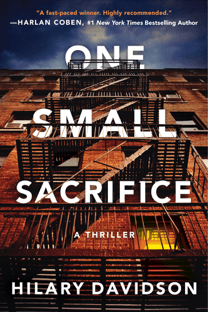
Check out ONE SMALL SACRIFICE by Hilary Davidson

It can be impossible to ever know the full truth about a crime. Eyewitnesses don’t have perfect recall, and fingerprints and DNA evidence aren’t the magical solutions that shows like CSI would have you believe.

But how far would you go, and how much would you risk, to seek out justice and prevent future victims from being murdered—without locking up the wrong person?

That tension is at the heart of the new novel by Hilary Davidson, ONE SMALL SACRIFICE, told from alternating points of view: the detective and the suspect.

Click here with your mouse-like object to read the rest of the piece I did for The Big Thrill: 
One Small Sacrifice by Hilary Davidson

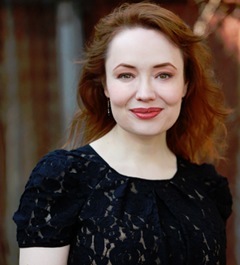
Hilary got started as a journalist and eventually published 18 travel books.

She’s won a pile of fiction awards–the Derringer, Spinetingler, Crimespree and two Anthony’s–and this was one of the easiest and most interesting interviews I’ve done with an author. 

Find her website here or click here to follow her on the Twitter

Amazingly weird headline–Man in underwear arrested at animal shelter after fighting invisible nemesis

Oh, you might think I’m embellishing that headline, that I’m gilding the weird news lilly. Nope. 

Here’s a direct link, which is only one word different, and it’s a word that only adds to the fun of the story.

Police: Man in underwear arrested at animal shelter after fighting invisible nemesis

See? The headline is completely accurate, sourced to the police, and the police report adds even more weird news goodness:

  • He was throwing things at passing motorists
  • He told police he hadn’t slept for a week
  • He also told police that his heart was not beating

If I made this all up, and put it in a short story or novel, you’d laugh me out of the room. 

But if I said this took place in Florida, you’d nod your head and add it to the long list of Florida Man headlines. So maybe the weirdest thing about this weird story is it happened in Kentucky, instead.

Here’s to you, Kentucky Man–you may be a pioneer, one of the first to truly challenge Florida Man, but I hope you’re not the last.


Why every man must read a romance – and every woman a thriller

In college, wise men with Einstein hair stood in front of lecture halls to tell you literature isn’t really about verbs, adverbs and dangling modifiers. No. Beneath the surface, lit-rah-sure asks a fundamental question that some believe is just as important as religion or science.

That question is this: “What’s worth living for, and what’s worth dying for?”

Nine words.

But I’m not banging on the keyboard late at night, powered by industrial amounts of coffee, to channel those old men wearing corduroy jackets with patches on the elbows. My closet contains no corduroy whatsoever.

I’m here to talk about those nine words, and why it leads me to one inescapable conclusion: that I do, in fact, know how to spell “inescapable.” Bit surprising. Thought I’d muff that one.

Note: I know there are men who not only read romance novels, but write them. Same thing with thrillers: plenty of women read them and author great thrillers. I’ve had the pleasure of interviewing some of those authors. In this post, I’m trying to make the case that people shouldn’t stubbornly stick to their favorite genre. Venture forth. Surprise the good people at Barnes and Noble with the breadth of your bookish selections.

Why every man must read a romance

Not to pick up girls–and not, if you’re married, to improve your odds of staying out of the dog house.

Every man should read a romance for an entirely different reason. It’s the first part of the question, the bit about, “What’s worth living for?”

You could walk into (1) a cubicle farm, (2) factory break room or (3) sports bar and show ten random single men a photo from the Sports Illustrated swimsuit edition, and ask them, drunk or not, whether they would marry this swimsuit model. I’m only half kidding when I say some of those men would shrug and say, “Sure.” Because we men can be stupid that way.

HOWEVER: We need to get over it, and start thinking about these sorts of things. And yes, a fine first step would be reading a romance novel. Watching a rom-com starring Matthew McConaughey, who’s last name is impossible to spell, does not count. Neither does firing up Netflix for SEX AND THE CITY 3: SARA JESSICA PARKER SHOPS FOR PURSES IN PARIS.

You must read an actual romance novel, with words and sentences, though I’ll leave it up to you whether it involves Men in Kilts.

On the surface, sure, romances are about relationships. How two people meet, how they fall in love, all that.

Beneath that, romances are often about a massively important choice: Who should you commit to and love?

And that, my friends, is the biggest decision you make in life.

Nothing else comes close. Not where you go to college, what career you chose, where you pick to live. No other decision comes close.

Classics like PRIDE AND PREJUDICE feature a lot of talking, thinking and scheming about who should get matched up with who. At first I thought this was a lot of gossipy gossip nonsense. But it’s not. These choices are hard, and they mirrored real life. Back then, who a woman married meant everything. It wasn’t like folks had a lot of career choices and birth control options. Could this man be a good provider not just for one or two children, like people might have today. Back then, it could be eight or ten kids. If I were a woman in those days, listen, I’d be insanely careful about this choice. So yeah, there’s a good reason stories back then often featured the archetype of a handsome prince. Tell me that story. Let me live that dream, not the one where I die in squalor giving birth to child No. 9.

High stakes back then. High stakes now, and a big deal for everyone involved.

Who should you marry and have kids with? Can’t think of a bigger decision, and it’s definitely worth thinking about, if not agonizing over.

A lot of men tend to avoid talking about love and relationships. It makes them uncomfortable.

I feel lucky. Also, my beautiful and brilliant wife devours novels like candy, including not just lit-rah-sure but romances of all shapes and sizes, and our house is full of books. So I know enough to be dangerous: that there are romances which really dive into the struggle to choose between two different partners and that it’s cheating to make one a villain and one a hero. That there are romances where the choice is binary: is this relationship going to happen at all, which is the A story in ALWAYS BE MY MAYBE.

All of these choices must have merits and demerits. BRIDGET JONES’ DIARY makes you think twice about the handsome bad boy and take a second look at Colin the Firth and his ugly Christmas sweater.

There’s a long list of stories diving into that decision. They’re worth reading, and watching, and talking about.

Because in the end, a lot of people figure out “What’s worth living for?” isn’t about money, fame or spending more time at the office.

Life’s about picking somebody you love and maybe starting a family with them.

Pick wisely, men. Get all the help you can get, and not from your buddies, because they’ll say things like “Dude, the choice is obvious: Kelly the waitress with the sweet Mustang, unless you want to cruise around town in Sarah the lawyer and her hand-me-down minivan.”

Why every woman MUST read a thriller

Thrillers answer the second half of the question: “What’s worth dying for?”

These days, men and women serve in the military, as firefighters and police officers. Which is as it should be. And if you answer the call to serve — as a firefighter or homicide detective, a Marine or a smokejumper, a coal miner or logger — there’s a chance you’ll die on the job.

The question is, how often do you roll the dice? When do you decide something is worth dying for?

Thrillers answer that question in a visceral way, with the stakes raised as high as they go.

  • Should you answer the call of your country and fight a war, taking the lives of other young men with families of their own, and possibly coming home in a body bag yourself — even if you suspect the war is wrong?
  • If a serial killer kidnaps your daughter, do you put your faith in the cops — or turn your CIA training loose and go after the whackjob yourself, despite the risk? Liam Neeson votes for hunting down whackjob kidnappers, which only happens to him every other month.
  • Should your family suffer under the oppressive fist of a planet-destroying dictatorship, or will you risk your freedom and life by joining the rebellion, which probably has the same chance of victory as the Seattle Mariner’s have of winning the World Series?
  • When the only hope to save the world is to get on an armored space shuttle with Bruce Willis, fly to an asteroid, drill deep inside and set off a nuclear explosion, will you go on that suicide mission, knowing that you probably won’t come back, or will you stay behind to enjoy one last week of picnics and bottles of Riesling with Liv Tyler before the world goes kaboom?

Just as betrayal is a common theme in romances, it’s also a huge element to thrillers. Because there’s nothing worse than doing dangerous, deadly work for a boss who is secretly an evil jerk. Not only did you get duped, but you did dangerous things, maybe violent and murderous things, for the wrong cause.

Even though it’s a cliche, there’s truth to the typical action movie nonsense about a lone wolf detective, Green Beret or assassin who’s weary and retired from the game. It takes a lot to convince him (or her) to return to work, having lost faith that all the suffering and sacrifice is worth it. Too many good people have died already. Often, the story proves this to be right. The weary warrior is a cog in the machine, a machine that sees everyone as disposable. And is that worth dying for? No.

Action movies and thrillers are about the need to make that choice decisively and wisely. There’s no “I’ll go halfway with you on this assault the Death Star thing.” You only die once, except in Bond movies, though I’m not exactly sure why Bond gets to die twice. I do know this: Bond has terrible taste in women. Are they beautiful? Sure. But after they sleep with him, they all turn up dead. EVERY TIME.

Not your usual sitcom nonsense

All this is why romances and thrillers can be epic. The stakes are high and the emotions are visceral. It’s not the usual nonsense you see in a sitcom every night, where Bart Simpson shoplifts for the first time and in 30 minutes learns the important life lesson that stealing is wrong, wrong, wrong. Roll credits.

Harry Potter is really one big long thriller about whether Harry will get Voldemort — a serial killer who happens to be a wizard — before Voldemort gets him.

STAR WARS takes an unexpected twist, with a father sacrificing his life to save his son and free a galaxy from oppression. I expected the new Death Star to simply get blown up in an even fancier explosion than the first time. I did not expect Darth the Vader to toss Emperor Wrinkly Face of the Lightning Fingers down an endless shaft. A father’s love turned out to be the biggest deal in the end. Interesting, though having Darth Vader be a sad old man with a wussy voice was a let-down. J.J. Abrams, I have faith that you’ll do better.

There’s a reason why many thrillers start out with a family being slaughtered and the lone survivor setting out to avenge them. You’re taking away what’s worth living for, and that leads the hero to answer the question of what’s worth dying for. Your family and kids mattered. You can’t let that slide, and you won’t.

Thrillers aren’t as compelling when the hero is aloof and the mission has nothing to do with his emotions, family or country, when it’s just a job where the hero is busy looking cool while wearing sunglasses and shooting guns. There’s nothing behind it. It’s flat and empty. And yes, though I love the Bond movies, they suffer from this. Bond rarely suffers or grows as a person, unless it’s Daniel Craig, who turned out to be a great Bond because he plays up the damage the job does to a person.

Everybody wants something worth living for, to dedicate themselves wholly and completely to something, because otherwise, what’s the point of waking up, fighting traffic and slaving away in a cubicle for thirty years until you die, right? People get that. It’s why people become obsessive fans of the Green Bay Packers or STAR TREK, why people dedicate themselves to politics, religion or a cause. Some folks divert this urge into collecting every Beanie Baby every made. Don’t.

Great stories, whether movies or books, speak to this need to matter, to belong, to put a stamp on life, to give your all, even if it’s bonkers.

And truly great stories take us deeper.

Harry the Hedonist will argue that lovers leave you, husbands divorce you, kids randomly get leukemia, and in the end, we all die, so pass the wine and live it up.

Isaac the Idealist says you should dedicate yourself to great ideas and institutions, which are the only things that last.

Ned the Nihilist trumps that with, “Nothing truly lasts. Institutions don’t care about you and even a killer asteroid, nuclear war or homicidal robots from the future fail to destroy us, the sun will eventually turn into a red giant, doing a burnt-toast number on earth before ruining THE ENTIRE NEIGHBORHOOD by going supernova.”

Do I have video? Yes I do.

But if nothing truly lasts, there’s no point in sacrificing friends and family for an institution or an idea. Be good to others. Do the right thing. Love with all your heart. Or use two cows on a silly blog to explain all of politics and philosophy. (The world explained by TWO COWS)

These questions are tough, interesting and complicated. And every tough, complicated problem has an easy, simple-to-understand wrong answer.

You can get into these kinds of questions with romances and thrillers in a way that Philosophy 402 classes simply can’t touch. Because if you put human faces and names behind the ideas, and real emotions, the neat logic about the deontological notion of equal treatment versus the greatest good for the greatest number turns to dust.

Also, take it from Plato and every dictatorship on the planet: literature and stories are the most powerful, and dangerous, way to talk about ideas. That’s why evil governments burn books and censor movies.

So if you haven’t read a romance, pick something that won an award, or one with Fabio on the cover. But grab one.

And if you haven’t read a thriller, grab one of those.  My personal favorite is the Reacher series by Lee Child, who should be sending me kickbacks by now.

Then start a literary knife fight in the comment section about Men in Kilts versus Haunted Homicide Detectives Who Are Allergic to Razors.