Watch The Killer–a classic by John Woo that influences tons of modern directors–and you’ll notice that the best parts are the quiet ones.
The tension of face-offs between the assassin and the detective, guns pointed, but no triggers pulled. The scenes with Jenny, the singer blinded by the assassin’s unintentional shot. And the moments where characters win by being clever instead of shooting things.
Because oh my precious baby Jesus, there is a lot of shooting.
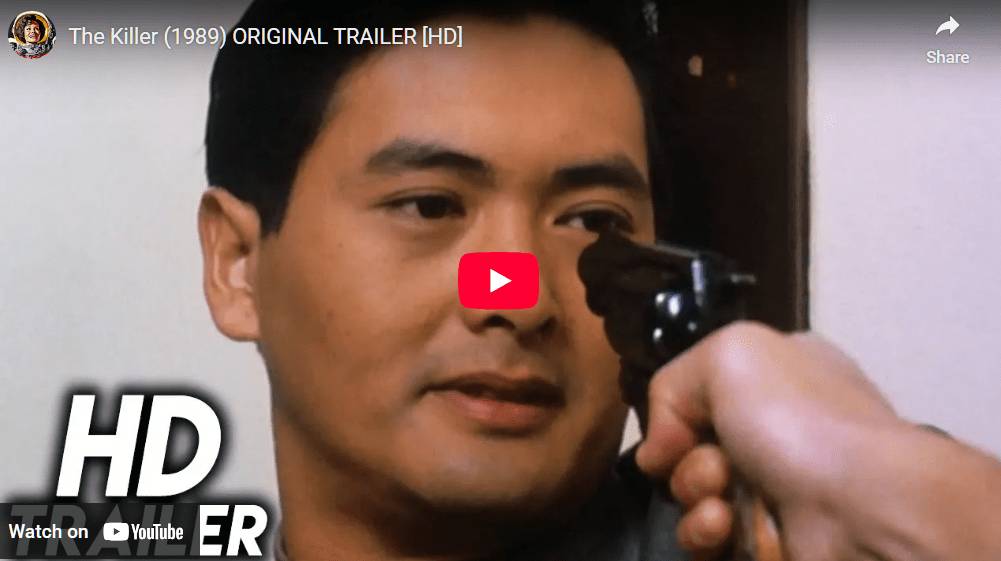
Here’s the trailer with a good taste of this classic:
John Woo went on to direct a ton of other movies, including Face/Off, Broken Arrow, and Mission Impossible 2.
What stuck with me from The Killer is the big gun battles didn’t land like other scenes.
Whenever I saw a mountain of henchmen, dressed identically and holding guns, I knew they were dead. All of them. And this happened so many times in the movie (and most action films).
John Wick does a great job of making a small number of henchman menacing and real, and show the hero isn’t invincible.
There are a few main villains in The Killer, but they don’t get much screen time or development. They just live longer than the random henchmen.
There are far, far too many endings where the villain had the love interest with a gun to her head. The Killer does this, too.
Gunfights would seem to always be exciting, right? I don’t think so. When all kinds of people are shooting all kinds of bullets at the hero, you know they might get wounded, but the only deaths will be the generic extras.
Less is more. Make it one-on-one and you’ve got tension, like The Quick and the Dead, which does this so well again and again.
I can’t remember the last movie where an endless wave of henchmen made things tense or interesting. If you haven’t seen them before and don’t know their name, they are toast.
My pet theory is this: one-on-one fights are the best option for action movies, whenever possible: an even fight against an opponent with a shot at winning, whether it’s a quick-draw gunfight, a fist fight, or a sword fight. My favorite? Sword fights seem to always work, whether the duel is set long ago in a galaxy far away or in a children’s story that has no right to be so damned good.
The point here isn’t whether a movie is worth watching. If you throw a rock in Hollywood, you’ll hit a movie critic. Check them out for Hit the theater, Wait for streaming, or Avoid this stinking turkey.
What’s more interesting is WHY something is worth watching or skipping–and whether you’d watch it again.
Time-loop movies are fun in the same way zombie movies (early on) are a blast: no rules. Want to loot the gun store, then grab whatever you want from Safeway? Go for it.
That’s the promise of the premise. GROUNDHOG DAY is the most famous example of these movies because it does a great job of showing the wide variety of things that are possible. Bill Murray steals from an armored car, leads the cops on car chases, jumps off buildings, learns piano with his infinite time. It’s also fun to see Bill go through the same scenarios radically different way. I still laugh when he punches the insufferable Ned.
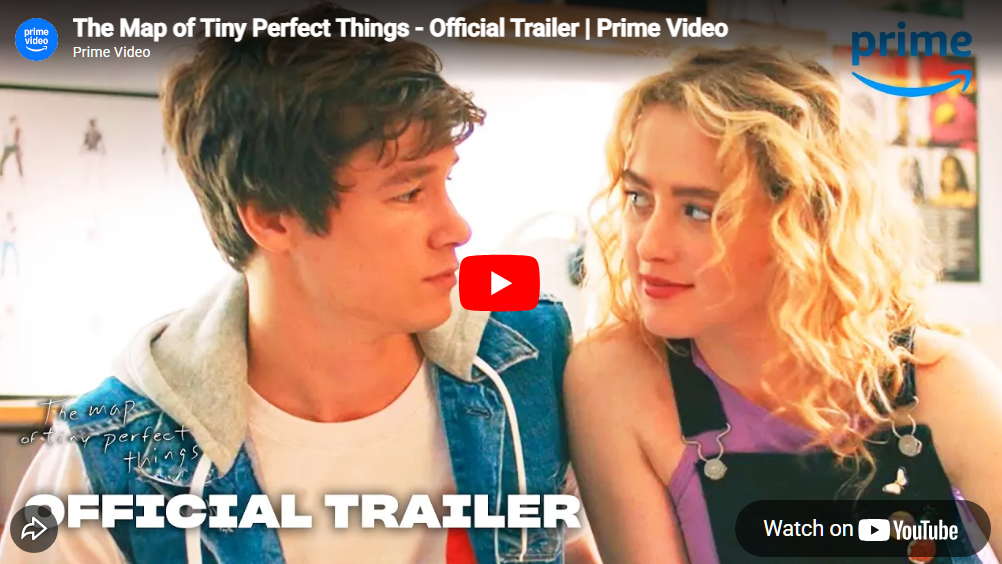
A MAP OF TINY PERFECT THINGS is a low-budget movie. No big stars, no amazing fights, no giant chase scenes, no CGI. Doesn’t matter. Entertaining as hell anyway. Why? Because of the story.
It’s not as varied as GROUNDHOG DAY in terms of what the do with unlimited time and zero consequences. There’s a little of that. What this movie focuses on is who you spend that time with, and not just in a romantic way. For once, this silly blog will not spoil the movie. But it’s not what you think, and I’d happily watch it again.
Now, on to other time loop movies, and how they twist this.
RUN, LOLA, RUN is another low-budget movie taking the opposite approach.
The movie uses the time loop to maximize tension and conflict. Lola and her boyfriend face death at the hands of the criminal underworld or the police. It’s a race and a puzzle: which choices solve it?
EDGE OF TOMORROW may seem like an action movie, and there’s plenty of action. The heart of it is character. The character played by Tom Cruise starts out as an arrogant jerk who’s useless in battle. You laugh every time he gets killed on the beach in silly ways. The more you dislike Cruise as an actor, the better the movie works.
In the end, Cruise suffers, trains, and sacrifices himself to beat the alien boss and win the war. Unlike 99 percent of thriller heroes, he has an actual character arc.
The movie works better because it doesn’t have the standard romantic relationship, but more of a mentor-protege with Emily Blunt’s veteran soldier.
GROUNDHOG DAY is similar in that it’s about Bill Murray moving from selfish jerk to decent human being, with that heart of the story wrapped with all the time-loop fun.
It would be hard to beat this movie for comedy and exploring all the things a person could do with infinite time.
BOSS LEVEL is a lot like RUN, LOLA, RUN in structure, with Frank Grillo trying to puzzle his way out of this.
There’s a ton of humor mixed in with the fights and explosions, and all the ways Grillo dies. It shares the same climactic device as EDGE OF TOMORROW by taking the hero out of the loop for the final run, meaning if he dies, he dies forever.
This is a highly under-rated movie that I’ve seen five bazillion times.
There are far more time-loop movies than you’d think.
Search on the YouTubes, google it, consult the hallucinating oracle known as chatgippity or the slightly less insane Claude, which is a terrible name for an AI machine. Maybe you could do worse. Karen would be bad, though Adolf and Lucifer tie for the worst.
If you have a favorite time loop movie, tell me about it!
Have you ever found a song and just replayed the living hell out of it?
I don’t know why this thing hits me like a sledgehammer from the special personal collection of Peter Gabriel.
But I keep replaying the thing, over and over. Here, watch this thing we called a “music video” a hundred years ago when this cable channel appeared that showed music videos ALL DAY LONG. Brilliant business model. People send you videos, you play them, you sell ads–it’s a license to print money.
The only way this could go wrong is if you stopped playing free music videos and started paying money to produce stupid reality shows.
Here’s the music video, which I hadn’t seen until I wore out this song on Spotify or whatever:
It smacks you upside the feelings, doesn’t it? That twist in the end makes M. Night Shyamalan jealous. Super rare to have in a song. As a writer, I could not love the lyrics more. The repetition with a purpose, and the twists each time–beautiful.
This is why I love the genre Angry Acoustic: songs are stripped down, lyrics actually matter, and they tell stories instead of the usual pop song that repeats the same lyric 3,423 times until you bring out the shot glasses and down some Draino.
I have replayed this song again. I’ll play it more today. And I hope other people find this song, and that each time it gets hit on Spotify or YouTube, she gets paid, because Lizzy, you deserve it.
VERDICT: 11/10, give is more of this. MORE MORE MORE.
SPECIAL BONUS: Acoustic version, which also rocks. If you search the series of tubes, there’s also a sped-up version, very Alvin and the Chipmunks, but I will not link to it, because that is sacrilege.
I adore cheesy action movies, and BOSS LEVEL with Frank Grillo is amazing and perfect and wonderful.
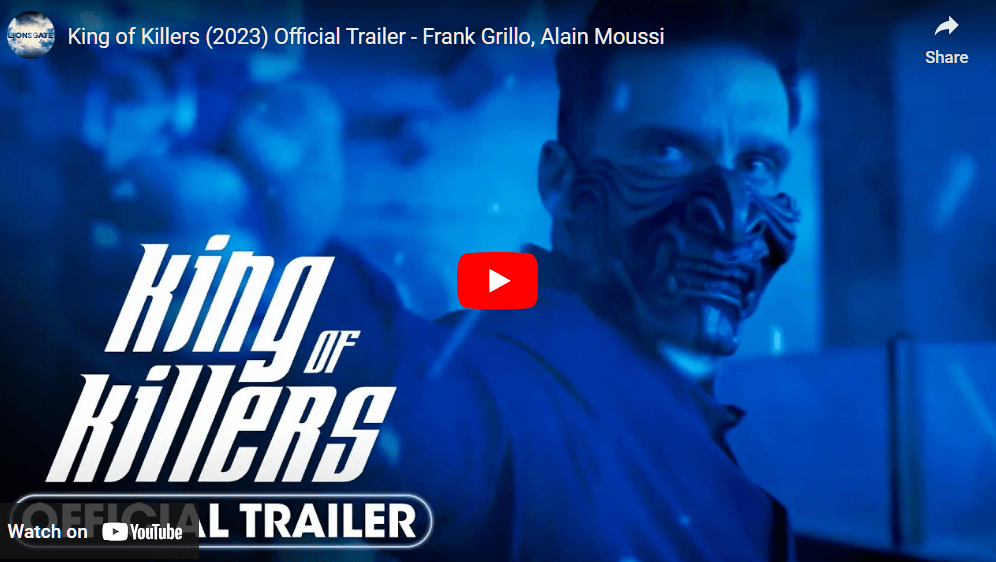
So when I saw the trailer for KING OF KILLERS, sure, it’s on Netflix, I’m not blowing three hours of my life and $50 on tickets and popcorn to see the thing. Let’s give it a go.
Here’s the trailer. Push the buttons.
Not gonna win any Oscars but fun trash, right? Which is what we all need sometimes. I don’t come home from work looking to have my brain challenged, my world-view changed, and my body drained of tears after watching a three-hour masterpiece of pain and misery.
Here’s the problem: you don’t see a glimpse of Frank Grillo until way, way into the film. What you get instead is a dude who looks enough like Grillo to confuse you, and this man is obviously the hero.
Which is a big, big problem.
First, the whole setup of the movie is Grillo vs everyone, and the narrative questions are simple: will Grillo live or die? If he dies, by who’s hand, and why? If everyone else dies, are they paying for their sins?
Second, there’s no way the audience is getting all this time with the Grillo-ish character for him to die first, or ever. This main character also gets the most cliched motivations possible: his wife dies in a shootout when she’s at one of his jobs randomly, and he only takes the new job vs. Grillo because his daughter is in the hospital and needs expensive care.
A half hour or whatever into this thing, a room full of killers finally gets introduced to their client and their target: Grillo, who wants the challenge of taking on the best.
The only actor I recognize in the room is Georges St. Pierre, an amazing UFC champ and a good action-movie choice. Like in this clip, which has a special bonus: Frank Grillo!
And here we get the third fatal storytelling mistake: each assassin randomly goes to face Grillo, and one of the first to head out and die is…the best actor, George St. Pierre.
Does he get a beautiful fight scene? No. He displays zero hand-to-hand skills and uses a shotgun for some reason. The poor man dies like a chump. You could’ve hired any random actor to play this bit, and it’s a waste.
You can guess how the rest goes. The other killers die while the main character lives in the end, gets his money, and saves his daughter.
No surprises. 0/10, do not recommend. HOWEVER: this movie contrasts directly and completely with the brilliant movie THE HUNT starring Betty Gilpin, who is a natural treasure and also star of AMERICAN PRIMEVAL, which is freaking amazing, go watch it.
The audience is constantly surprised in THE HUNT from the start. Just when you think oh, this is the main character, and follow them around for a bit with the other characters in the background, that character dies and gets replaced by another. And another. We finally wind up with Betty Gilpin’s character as the focus, and she keeps on surprising us–with her actions, her dialogue, and her backstory.
My acid test for a movie isn’t, “Did I enjoy that?” It’s “Would I happily watch it again, and again, or would you have to hand me a paper bag stuffed with purple euros to sit through that sucker once more?”
I have watched THE HUNT many times and would see it again tonight. You could not pay me enough to watch KING OF KILLERS again.
Also: here’s the trailer for AMERICAN PRIMEVAL, which is raw and brutal and seven separate flavors of awesomesauce.
Yes, this is a music video, and we will play it because MTV resolutely refuses to do their damn job. Have a look and listen, then we will TALK ABOUT ALL THE THINGS.
First off, I come here to talk smack about lyrics, not the actual music video. The video is fine. It’s not blowing my mind and it’s not making me close my eyes and chant a lullaby to make it go away.
The words are what we are here for, and the words are GOOD.
Dissecting the lyrics, but not in an icky dead frog way like biology class
Let’s go after the first few lines:
Half of my high school got too drunk Half of my high school fell in love With the girl next door In their daddy’s Ford Half of my main street’s mini skirts Half of my main street’s dressed for church It could use some rain And a fresh coat of paint
Such a great way of painting a picture of her hometown and the people who live there without giving everyone the same hues and textures.
Because let’s be honest: half of all pop songs are about getting drunk, and half of all pop songs are about falling in love, but few pop or country songs dare to have a lot of nuance or subtlety. They’re more likely to hit you over the head with a single message, like, “I’m on a BOAT!” then repeat that message six hundred times.
Now, the chorus:
Half of my hometown’s still hangin’ around Still talkin’ about that one touchdown They’re still wearin’ red and black Go Bobcats, while the other half Of my hometown they all got out Some went north Some went south Still lookin’ for a feelin’ half of us ain’t found So stay or leave Part of me will always be Half of my hometown
Oh, here we go. I don’t really have a home town, being born on a military base we left after a year. Kept on hopping around bases in the Germany and the Holland and the New York–so if you put a Glock to my noggin and asked me for a single detail about my hometown, couldn’t tell you a damn thing. Throw a blindfold on me and ask me whether an F-15 or F-16 is flying overhead and I’m you’re man.
However: we now live in a one-stoplight logging town, where half the town does show up to wear maroon and gray every Friday night and is still talking about that one touchdown. So I feel these lyrics in a way that Justin Bieber could never reach me with the lyrics of his masterpiece, “Baby, Baby, Baby.”
Half of our prom queens cut their hair Half of them think that it ain’t fair The quarterback moved away and never came back Half of my family is happy I left The other half worries I’ll just forget Where I came from Same place where they came from
I could not love this more. Beautiful lyrics and they do touch on the touch choice facing anyone from a small town: stay for family and neighbors and friends, or leave for opportunities and dreams. Totally get that.
Now we get the chorus again, so I’ll delete that chunk and give you the next real bit. Say hello to the bridge and the closing:
Backroads raise us Highways they take us Memories make us wanna go back
To our hometown, settle down Talk about that one touchdown Raise some kids in red and black Go Bobcats, while the other half Of my hometown was in the crowd They knew the words They sang them loud And all I wanna do is make them proud Cause half of me will always be Knoxville, Tennessee My hometown My hometown
Heard this song again and again, making the ending anything but a surprise. I know exactly what is coming. And the last lines still hit hard.
VERDICT
Here’s the deal: I enjoy pop songs and Angry Indie Acoustic stuff far, far more than country music. However: country and rap songs tend to tell this thing we call a story. They also get more inventive with lyrics, echoes, and reversals with wording.
The Chicks song, TRAVELING SOLDIER, is a freaking masterpiece.
Do the lyrics to MY HOMETOWN do the job? Paula Abdul would say, “Yes, yes, a thousand times, YES!” but she’d mean it and Emelio Estevez would mean it this time and they’d still be married today. Ben Affleck and J. Lo, do not listen to this song, move to a small town, and get married to each other or another human being again. Hold off for a decade or two.
Kelsea Ballerini nails it in a few hundred words. Seriously, count them up. If you don’t count the repeated chorus, it is shocking how few words she uses to do a complicated job of making us see her hometown and feel all these choices and people.
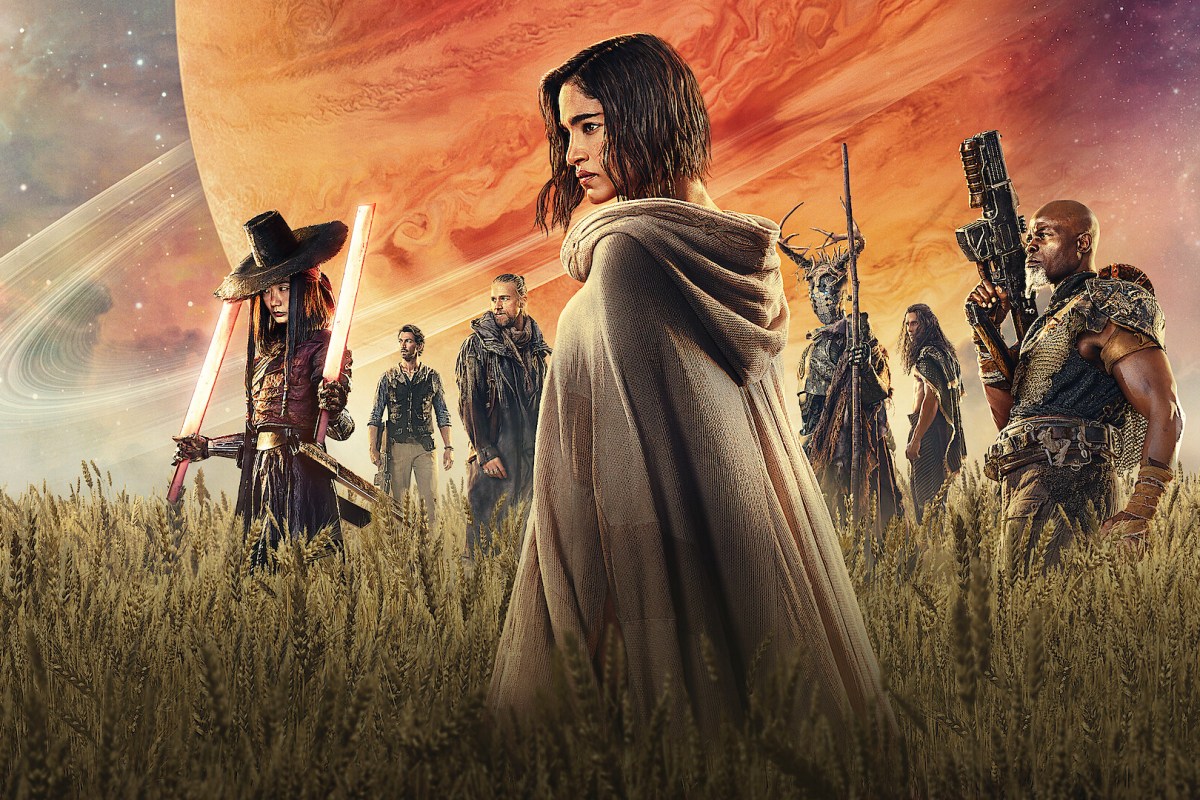
Yes, you could write about 17 massive problems with this film, or 99 reasons I will never get these two hours of my life back.
HOWEVER: I want to focus on three actual storytelling lessons.
For educational purposes and such.
But hey, we will still make fun of this stinker.
HOLE NUMBER ONE: Our rebel heroine
Zack Snyder wants this to be Star Wars, so let’s get into the structural trouble at the crumbling foundation of this passion project.
Luke Skywalker starts out as a farmer, an orphan. So does this character.
After that, nothing is the same.
Luke has a secret Jedi pedigree, but he isn’t secretly a master warrior. It takes him three freaking movies, and a ton of training from two different mentors, to improve and improve before he starts kicking butt. Luke has to suffer and sacrifice.
He nearly dies a zillion times and gets his hand lopped off by Vader in the second film. He would have failed and died in the third film, except Daddy Vader switches sides.
Luke also learns a number of cool skills, and it takes time for him to master them. Fighting with a lightsaber. Force pull or whatever. Force jumping. All kinds of force stuff. It works as storytelling. You buy into it.
REBEL MOON makes the opposite choice. Our heroine randomly takes out an entire squad of baddies. Afterward, we get a flashback explaining how she’s a super warrior. Uh, no.
Yes, it’s a cool fight scene. There’s simply no setup to this payoff.
Then she kills the bad guy in the first movie, her first try, only for him to get un-Palpatined in a Bantha tank or whatever.
No mentor, no practicing, no suffering, no losses, no growth. This heroine starts out as a badass and ends the movie as a badass. That makes for a flat, boring arc.
HOLE NUMBER TWO: Our lame villain
This movie is trying to be Star Wars, which features maybe the most iconic villain of all time, the towering and powerful Darth Vader.
And they go with a skinny man with a British accent, a thing for tentacle porn, and the worst haircut in the galaxy.
Darth Vader wielded a scary red lightsaber and force-choked generals who annoyed him.
This villain has a walking stick. OMGWTFBBQ.
HOLE NUMBER THREE: Seven million sidekicks
Yes, this movie copies Star Wars, but it’s also trying to copy Seven Samurai, so we have all kinds of extra characters taking up all kinds of screen time.
None of them are essential. Seriously.
What we needed was a mentor, an Obi-Wan figure, to help our heroine learn and grow. Because she’s already amazing, there’s no room for that.
Therefore we get random characters who add nothing. A farmer who follows her on the journey. A rebel leader who only shows up and dies in order for her to assume that role. Bare Chested Beastmaster, a rogue spaceship pilot, a samurai woman with glowing red These Are Not Lightsabers, and so forth.
All forgettable and unnecessary. The one you could argue for needing is Rogue Spaceship Pilot, who is not Hans Solo but more of a Lando because he betrays them to the Empire or whatever.
The only side character who resonated, and should not get ripped from the script, is the robot voiced by Anthony Hopkins–and this character gets built up in the beginning, abandoned, and cameo’d at the end.
Honestly, the easiest way to fix the structural problems is to strip away all the side characters.
Send a real farmer girl, with no skills, with Anthony Hopkins as her Robot Obi-wan.
Have him teach her to fight, and hide, and sabotage the bad guys. Have her suffer and lose and learn.
Give her and the robot interesting weapons and powers other than “she just kicks ass.”
BOTTOM LINE
Huge budget. All kinds of special effects and possibilities. It all goes to waste because the heroine, villain, and story don’t work. 0/10, spend the sequel money on SHIMMER LAKE PART 2: GIVE THIS TOWN A BATH.
Unless you live alone in an ice cave, you have seen these things we call “movies” along with shorter, lower budget shebangs we call “shows.”
And doesn’t it feel like half of all movies and shows are about superheroes? The other half are Disney+ series about random Star Wars characters, like the new show THAT STORMTROOPER WHO HIT HIS HEAD ON THE DOORWAY OF THE DEATH STAR.
Yet I remember a day, not long ago, when an actor holding a hammer and saying two words absolutely blew us away.
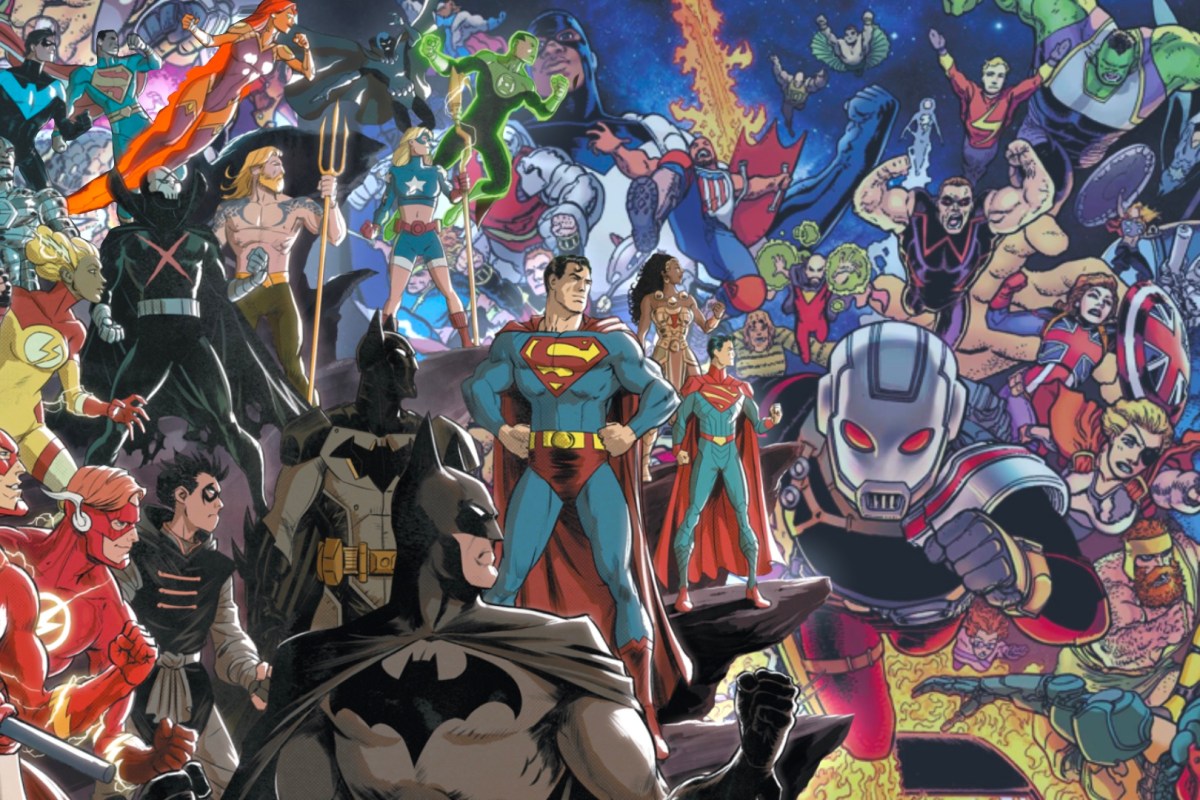
So let’s talk about the rise and fall of Marvel movies, and why DC is like bread dough without yeast: never rose, so it never had the chance to fall.
Here’s how Marvel climbed Mount Mojo and ruled all that it surveyed
1) The climbing crew absolutely rocked
Part of the story is who they picked to climb this mountain: a great crew of actors and directors. Sure, there are some big names like Robert Downey, Jr., and these days every bigshot actor is getting recruited to join the MCU.
But back when they started this climb, their core group was unknowns, who all happened to be named Chris, maybe because the Marvel casting people had a thing for somebody named Chris, maybe the One Who Got Away–who knows. Chris Evans, Chris Hemsworth, and Chris Pratt were all risky choices that paid off. Even Robert Downey, Jr. was a risk, a big name with a history of addiction and rehab.
Whatever criticism you might level against Marvel movies of the past or today, they pick good actors.
I mean, everybody says Sebastian Stan is a nice guy, but after watching this, I thought he was the baddest man on the planet.
2) The writers and studio built up suspense, movie by movie
From the first time we saw an Infinity stone (and they kept popping up in every movie) to that last scene of INFINITY WARS: ENDGAME, WE REALLY MEAN IT, THANOS GONNA DIE FOR REAL THIS TIME, you knew that these movies were building up to a climax. There was a peak to Mount Mojo, and a ginormous purple villain sat on a throne on top of that peak, and shit was gonna happen when the heroes and audience finally clawed their way all the way up there.
You wanted to see what happened.
3) Each new movie added real pieces to the puzzle
You can fire up IRON MAN and microwave a vat of popcorn to binge the first round of movies, and every movie brings you new clues and characters. Even if you knew basically what was going to eventually happen–THANOS GONE WILD–all the little things mattered.
Why DC never got its mojo at all
DC came to this bazillion-dollar poker game with the far-stronger hand: Superman, Batman, Wonder Woman, the Joker, and Aquaman.
Before these movies, the Marvel characters (except for Spiderman) were pretty obscure. Thor, Ant-Man, a talking tree and his pet raccoon? Come on. DC should have eaten Marvel’s lunch.
And they mangled it.
Instead of introducing each superhero with their own movie, they did it backwards, and gave us a movie with Batman and Wonder Woman before sending us back in time for a solo Wonder Woman movie and Aquaman flick, and never giving us a solo Batman with Batfleck at all.
You can’t build up to something big when you go back in time with prequels like that.
Instead of having one big bad guy, we got Villains of the Week who were vanquished, buh-bye, we will not see you around.
Marvel keeps stopping and starting with new actors, new directors, and new tactics to rival what Marvel did, and it’s like they don’t know what direction they’re driving.
THE BATMAN was a good movie, and a nice start to a new trilogy. If they’re smart, they’ll use that as a starting point to build fresh. That’s just incredibly hard to do when you have an established Wonder Woman and Aquaman who do a great job and don’t need to be recast.
This opening scene is golden.
Don’t get me started with Flash and that actor.
So it’s a hot mess, which is really too bad.
How Marvel lost its way
1) Over-saturation
I’m not a comics nerd, and neither am I a snob who only watched black-and-white French existentialist films. I’m probably a lot like your average movie fan who sees all the big movies, and the Daredevil/Punisher/Jessica Jones stuff. But now I’m starting to skip a lot of these shows, along with some of the movies.
Because you need to clone yourself to have time to watch it all. There is too much content.
They started out strong. WANDAVISION was amazing, and LOKI rocked. Started watching MOON KNIGHT, love Oscar Isaac and Ethan Hawke–did not finish.
Haven’t watched any of MS. MARVEL or SHE HULK, and all the other movies and shows in the works just don’t excite me.
THOR: RAGNORAK is one of my fav movies of the whole bunch, yet I have zero desire to watch THOR 4: THOR AND LADY THOR VS PALE BATMAN. I’ll probably check it out on the televisions later. No guarantee.
There’s so much content coming out so fast. Instead of a couple of giant blockbusters every year that you definitely circled on the calendar, it’s a flood that you can’t track.
We’re basically to the point where this SNL skit has become our reality.
2) The multiverse means no character is ever dead, so the stakes don’t mean anything
Yes, the multiverse is a cool concept, and introducing it with Miles Morales was brilliant. A great movie.
After INFINITY WARS and LOKI, though, we know that no character is really dead. I mean, we watched Loki die, and here he is. And yeah, Iron Man died, though if he gets bored in a few years, I bet you every quarter in my swear jar that Marvel could wave $50 million under his nose to show up on set for three days.
Now when a character dies, we don’t really feel it. Because they can just pop into the multiverse and get another version of Thor or Iron Man or anybody else.
3) There is no clear mountain we’re climbing where the One True Bad Guy is waiting
Yes, the writers at Marvel may have a secret plan involving secret wars with the green shapeshifting aliens or Kang the Conquerer or whatever, and all of this will make sense seven movies and thirty shows from now.
Whatever phase they say we are on, and I will not keep track, it is too confusing,
HOWEVER: it’s not clear to us, as an audience, why we need to watch everything to see what happens. These movies and shows used to be all part of one body, with all the parts working together. Now they are loosely connected, and you have to contort your brain to see why it matters, and why you should care.
If your audience has to wonder why it should care, they won’t.
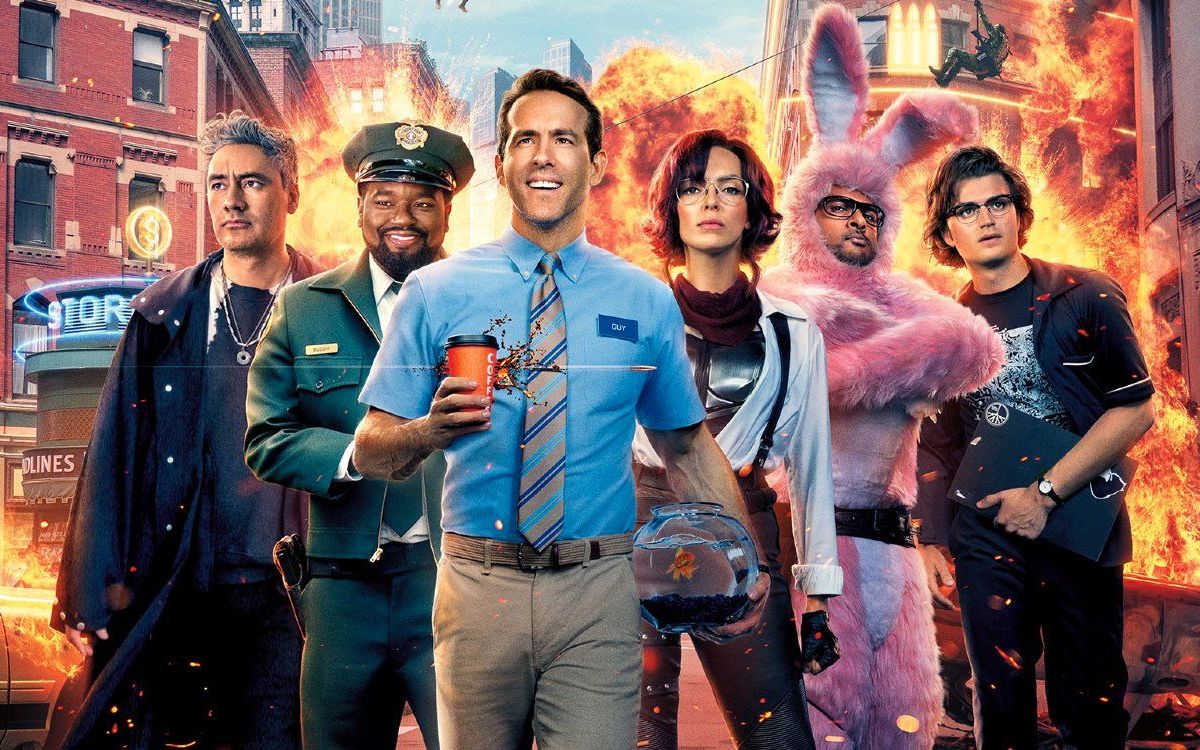
Yes, my name is Guy, and I watched FREE GUY the second day it hit theaters, as required by Guy Law.
Is it worth watching in a theater? Sure. This is a fun summer movie. But that’s not the most interesting question.
The acid test for a movie, even a summer action film or comedy, is simple: Would I watch it again?
And listen, we can make that test far more accurate and meaningful. Here’s how:
How much would I pay to watch it again, and again? versus
How much would you need to PAY ME to watch the thing one more time?
There are plenty of films that are worth watching once and never again. The movies that are rewatchable are golden nuggets of cinema worth treasuring forever.
Here are two examples, both somewhat similar to FREE GUY:
BOSS LEVEL is worth watching again and again, because I have literally watched it five-point-seven bazillion times.
Why is it worth two hours of your life, repeatedly? Because it mixes action with comedy so well, and has moments–like the sword training and fight scene–that never get old.
Similarly, THE EDGE OF TOMORROW is a movie that you can watch again and again. The more you hate Tom Cruise as an actor, the more you like this movie, seeing how you get to watch him die a ton of times in a war zone before he redeems himself. Also, Emily Blunt is a total badass in this thing.
FREE GUY is thankfully an original script and not a movie based on an actual video game or ancient board game like BATTLESHIP, which they actually got Liam Neeson to do a movie about, for the love of all that is holy.
Yet despite being fun, there’s something missing when you walk out of that theater after watching FREE GUY.
Here’s what I think that missing thing is: you can’t buy the ending, no matter how much bubblegum ice cream they pile on it.
Spoilers galore from here out.
So the key relationship is between Guy and Millie, with Guy not realizing he’s in a video game and Millie looking like a supermodel inside and outside the game.
In the end, they do NOT get together, because Guy is just an AI with a pretty digital face, so Guy becomes single and Millie gets together with…Annoying Tech Dweeb.
Listen, this doesn’t work on a number of levels. The audience WANTS Guy and Millie to get together for real. They do not, in any part of their popcorn-munching bodies, want Millie to hook up with Annoying Tech Dweeb.
Honestly, real-life Millie is beautiful enough to get pretty much any man she wants. It’s not believable that she settles for a man she ignored for years despite his blatant crush on her.
How could we fix the ending and the movie?
First, we don’t need three Tech Gurus — Annoying Tech Dweeb, his sidekick, and Millie are all coders.
You need one coder in this movie, and that’s Millie, so we can safely axe the other two characters. I mean, put a gun to my head and I cannot remember either one of their names. THAT IS A SIGN, RYAN REYNOLDS AND SCREENWRITING PEOPLE.
The other stakes were whether Millie and Annoying Tech Dweeb won their intellectual property battle with Korg, and listen, I didn’t not care about that at all.
Second, there’s only one true romantic question built up in this movie, and that’s whether Millie and Guy get together.
Third, how do we give the audience what they want–Millie and Guy actually getting together–in a way they don’t expect?
Here’s how: you go MATRIX or TRON LEGACY.
The MATRIX path has Neo take the right pill (I don’t know if it’s red or blue and do not care, sorry) and enter the Matrix so he can hang out with Trinity.
If he stayed in what he saw as the real world, there’d be no future with her. Zero. None. Nada.
The TRON LEGACY option means going the opposite route and taking somebody (Olivia Wilde!) from the digital world to the real world.
So let’s pick one of those options: you make Guy a real Guy or bring Millie into the digital world.
Turning the digital Ryan Reynolds into a real-life Ryan is the easy and expected choice. The more surprising and deep thing would be making the stakes more real for Millie and going digital for her.
Give her a ticking clock–a deadly cancer, say–and have her desperately needing the servers and such to upload her consciousness into FREE CITY to survive.
High stakes now, right? And that would be an ending that stuck with audiences.
There’s a key lesson in here for writers of any sort, whether you’re doing journalism in Papers of News, writing one-act plays that begin and end with ten minutes of silence, or banging on the keyboard for the next Great American Novel, except you’re in New Zealand, and think the whole concept of the Great American Novel is sillypants.
Pam sums it up like this: “Less is more.”
She’s right. Also, bonus points for the assignment at the end of this video. Too funny.
P.S. Yes, I know the first trailer for THE BATMAN is out. No, I will not dissect it, because 94,230 superfans have already watched it, frame by frame, to look for specific pixels that might give them an easter egg or theory that nobody else thought about yet. But yeah, I liked it. Looking forward to seeing that, and other movies, in actual movie theaters next year with overpriced popcorn and sticky floors and all the things that I miss.
You can make all sorts of academic arguments about how many stories there are. One: the hero’s journey. Two: tragedies and comedies. Ten, if you read SAVE THE CAT and see what primeval stories ring true. Plus plenty of other books and storytelling gurus and academics who will happily explain why there are actually 36 stories, or 100.
With action movies, I’d argue there are clearly some distinct types:
Monster in the House–You’re trapped in an enclosed space with a monster, and either it’s gonna kill you or you’re gonna kill it. There’s no escape, no calling the cops, no trickery. This is a great situation and I’d argue ALIEN (supposedly sci-fi), FATAL ATTRACTION (pigeon-holed as domestic drama), and JAWS (mislabeled horror) are all actually Monster in the House.
A key difference between these stories and horror: the monster dies. In true horror stories, the monster is actually punishing everybody for their sins (teenagers drinking, doing drugs, having sex, or scientists playing God) and everybody dies in the end. Only the monster returns for the sequels.
Disaster–A volcano is about to go off, a giant asteroid will hit the planet, or a climate change means Kevin Costner’s movie WATERWORLD is a prophecy. This type of movie ends one of three ways: (a) the hero stops the disaster (ARMAGEDDON), (b) the hero can’t stop it but gets everybody out of the burning lava, or (c) this is really a horror movie and the disaster can’t be stopped because we’re being punished for our sins.
War–You can’t get a setting with more conflict and action than a war zone, though war movies are often actually about other things with the war truly being the setting and backdrop. Pure war movies are about fighting the good fight and punching Nazis in the nose, or defeating an invasion of aliens by flying your F-16 straight up into the death beam after the president gives an amazing speech. Anti-war movies (PLATOON) are about making people cautious about getting dragged into a mistake, or fighting wars for the wrong reasons.
Rescue–I don’t know who you are. I don’t have any money. What I do have is a certain set of skills.
Betrayal–This is beating heart of thrillers, especially ones that don’t rely on Jason Statham finding creative ways of kicking people in the face. Betrayal from within is a tough, tough story, and there’s plenty of tension and storytelling goodness involved. Using betrayal in an action movie is a wonderful way to spice up the typically predictable plots of most action stories.
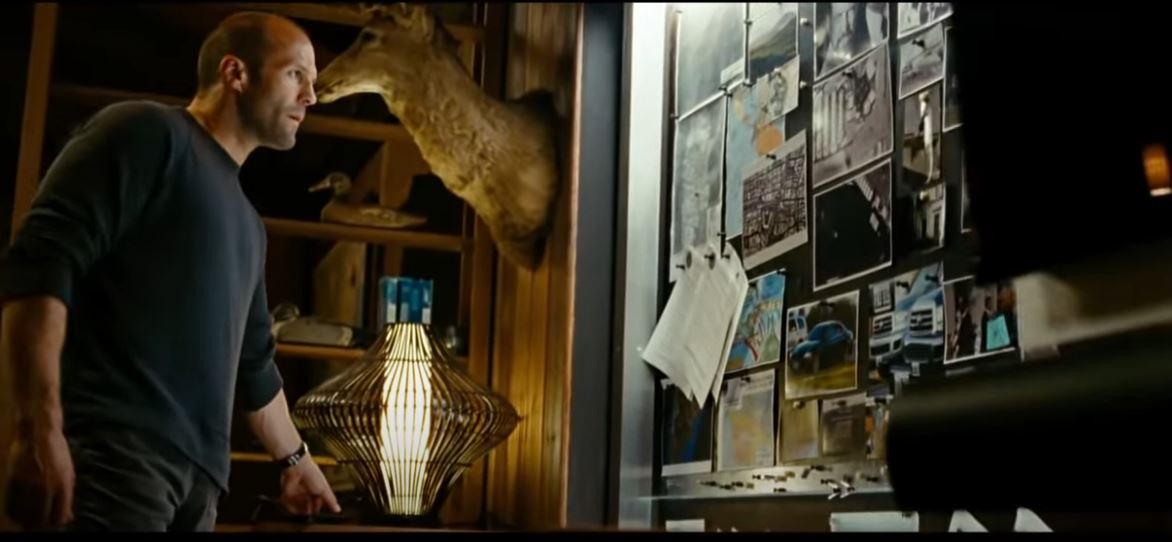
Which brings us to THE MECHANIC, an under-rated action movie directed by Simon West, who also helmed WILD CARD, perhaps Statham’s most interesting movie.
What this film does so well is piling up layer upon layer of betrayals.
Your average action film has zero.
A decent one may have a big betrayal right before the climax, something you really did not see coming.
THE MECHANIC shows us how smart storytelling, with early setups, can matter far more than a film’s CGI budget.
This movie starts with a betrayal that leads to Statham being tricked into killing his mentor. And that leads the dead man’s son to Statham, seeking solace and revenge, not knowing it was Statham who pulled the trigger. What’s great is we don’t know until late that the mentor was set up, the evidence against him faked, so Statham genuinely felt remorse. That guilt doesn’t go away when he learns the truth, because it doesn’t change the fact he shot his friend, false pretenses or not.
So it’s beautiful in the end that the son, after helping take out the bad guys, still can’t let go of the fact that his new friend killed his father, and tries to take him out by blowing up his truck when they stop for gas. Even better are the setups–and they are plural, for they are legion–of how the son goes back to Statham’s house, full of dead bad guys, and does everything Statham told him to never do: turn on his fancy record player and drive the red sports car he’s always fixing up and never using.
The car and house blow up, along with the son, and all of this feels about right. Statham didn’t go out of his way to kill the son, not even after the attempt on his life. Wouldn’t seem correct since he did take the man’s father. The son only dies through hubris.
There are more betrayals in this movie, I kid you not, and they’re all set up correctly. None of that nonsense where a film shows a payoff, then explains the setup with a flashback scene THAT YOU NEVER SAW BEFORE.
VERDICT
11/10, an excellent movie that starts strong and ends stronger, with deautiful twists you do not see coming.



 The Red Pen of Doom