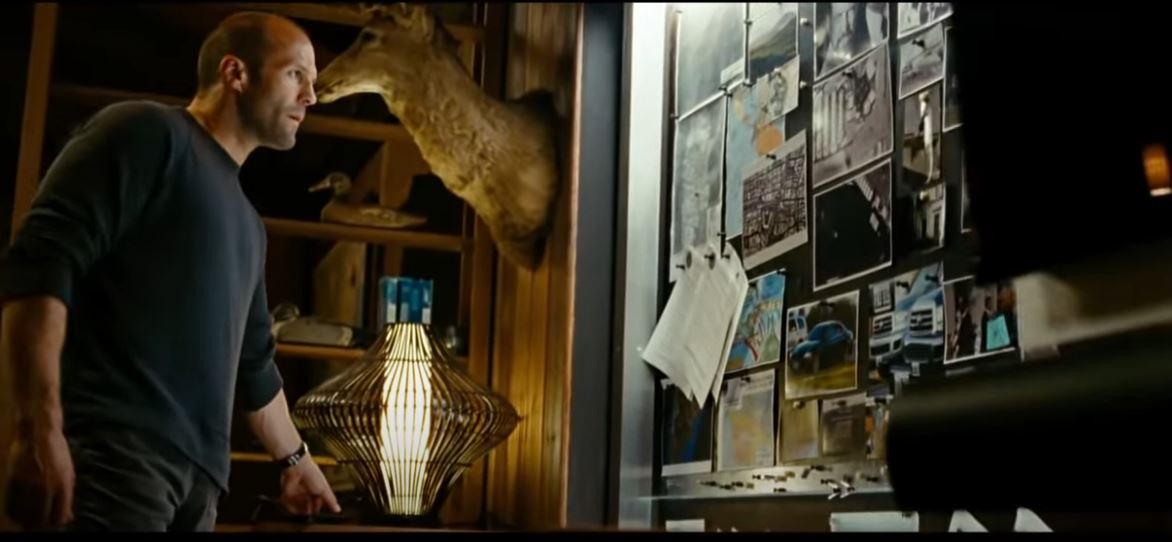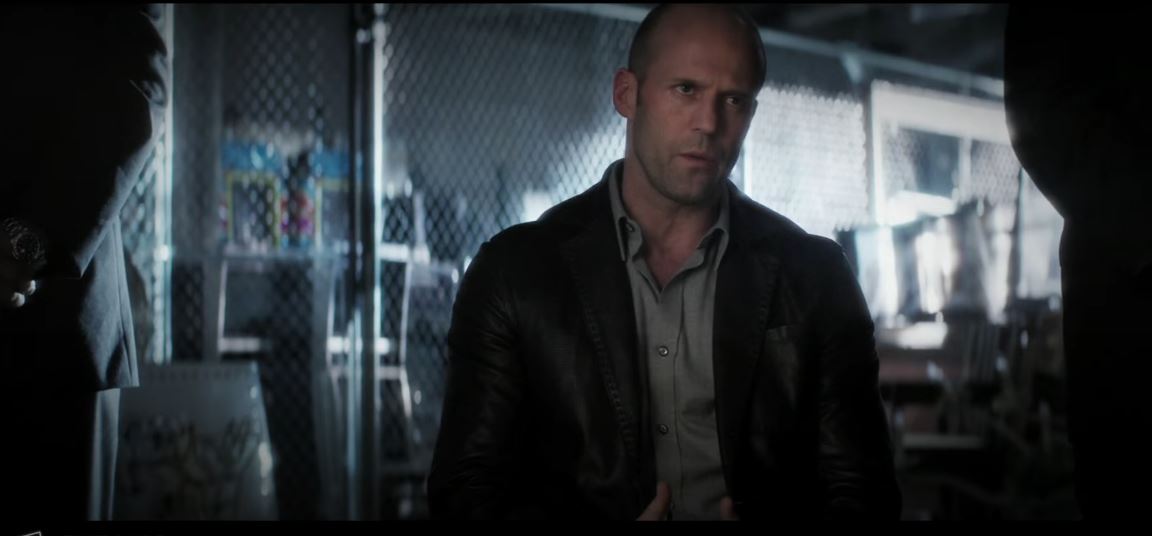
THE MECHANIC is a clinic in betrayals, the beating heart of thrillers

the mechanic starring jason statham directed by simon west

You can make all sorts of academic arguments about how many stories there are. One: the hero’s journey. Two: tragedies and comedies. Ten, if you read SAVE THE CAT and see what primeval stories ring true. Plus plenty of other books and storytelling gurus and academics who will happily explain why there are actually 36 stories, or 100.

With action movies, I’d argue there are clearly some distinct types:

Monster in the House–You’re trapped in an enclosed space with a monster, and either it’s gonna kill you or you’re gonna kill it. There’s no escape, no calling the cops, no trickery. This is a great situation and I’d argue ALIEN (supposedly sci-fi), FATAL ATTRACTION (pigeon-holed as domestic drama), and JAWS (mislabeled horror) are all actually Monster in the House.

A key difference between these stories and horror: the monster dies. In true horror stories, the monster is actually punishing everybody for their sins (teenagers drinking, doing drugs, having sex, or scientists playing God) and everybody dies in the end. Only the monster returns for the sequels.

Disaster–A volcano is about to go off, a giant asteroid will hit the planet, or a climate change means Kevin Costner’s movie WATERWORLD is a prophecy. This type of movie ends one of three ways: (a) the hero stops the disaster (ARMAGEDDON), (b) the hero can’t stop it but gets everybody out of the burning lava, or (c) this is really a horror movie and the disaster can’t be stopped because we’re being punished for our sins.

Related: WATERWORLD was a prophecy, so get your sweet sailboat ready

War–You can’t get a setting with more conflict and action than a war zone, though war movies are often actually about other things with the war truly being the setting and backdrop. Pure war movies are about fighting the good fight and punching Nazis in the nose, or defeating an invasion of aliens by flying your F-16 straight up into the death beam after the president gives an amazing speech. Anti-war movies (PLATOON) are about making people cautious about getting dragged into a mistake, or fighting wars for the wrong reasons.

Rescue–I don’t know who you are. I don’t have any money. What I do have is a certain set of skills.

Betrayal–This is beating heart of thrillers, especially ones that don’t rely on Jason Statham finding creative ways of kicking people in the face. Betrayal from within is a tough, tough story, and there’s plenty of tension and storytelling goodness involved. Using betrayal in an action movie is a wonderful way to spice up the typically predictable plots of most action stories.

Which brings us to THE MECHANIC, an under-rated action movie directed by Simon West, who also helmed WILD CARD, perhaps Statham’s most interesting movie.

Related: Top 4 reasons why WILD CARD is the best Jason Statham action movie ever

Why betrayals work so well

What this film does so well is piling up layer upon layer of betrayals.

Your average action film has zero.

A decent one may have a big betrayal right before the climax, something you really did not see coming.

THE MECHANIC shows us how smart storytelling, with early setups, can matter far more than a film’s CGI budget.

This movie starts with a betrayal that leads to Statham being tricked into killing his mentor. And that leads the dead man’s son to Statham, seeking solace and revenge, not knowing it was Statham who pulled the trigger. What’s great is we don’t know until late that the mentor was set up, the evidence against him faked, so Statham genuinely felt remorse. That guilt doesn’t go away when he learns the truth, because it doesn’t change the fact he shot his friend, false pretenses or not.

So it’s beautiful in the end that the son, after helping take out the bad guys, still can’t let go of the fact that his new friend killed his father, and tries to take him out by blowing up his truck when they stop for gas. Even better are the setups–and they are plural, for they are legion–of how the son goes back to Statham’s house, full of dead bad guys, and does everything Statham told him to never do: turn on his fancy record player and drive the red sports car he’s always fixing up and never using.

The car and house blow up, along with the son, and all of this feels about right. Statham didn’t go out of his way to kill the son, not even after the attempt on his life. Wouldn’t seem correct since he did take the man’s father. The son only dies through hubris.

There are more betrayals in this movie, I kid you not, and they’re all set up correctly. None of that nonsense where a film shows a payoff, then explains the setup with a flashback scene THAT YOU NEVER SAW BEFORE.

VERDICT

11/10, an excellent movie that starts strong and ends stronger, with deautiful twists you do not see coming.


Top 4 reasons why WILD CARD is the best Jason Statham action movie ever

Listen: I have watched all kinds of movies, from black-and-white French existentialism to popcorn blockbusters, and my list includes Every Action Movie Known to Man–so if there’s a Jason Statham movie I haven’t watched, that’s only because THEY ARE STILL SHOOTING IT RIGHT NOW.

And there’s a little known movie of his, WILD CARD, which is the hands-down champion of anything he’s ever done.

Counter-intuitive Reason No. 4: Not the fights

You can count on one hand the Statham movies that do not feature tons of amazing fights, where instead he just helps rob a bank and such, and maybe punches THREE people. These movies exist. I have seen them. THE ITALIAN JOB (remake), THE BANK JOB (looks like the ’70s, is not). There is a list.

It is entirely possible, and conventionally smart, to rank typical Jason Statham movies on the quality and creativity of the battles.

That isn’t what makes WILD CARD stand out. The fight scenes aren’t 10 times better. They’re quite good, sure, but that isn’t it. Here’s the big casino brawl. Nicely done.

However, THE TRANSPORTER is packed with some of the best action ever filmed. Ding dong.

Reason No. 3: The writing

This is a big part of the appeal of WILD CARD, which deserved a bigger box office and more attention.

Most thrillers–movies or novels–are pretty linear. A to B to C, straight line. Evil men are doing evil things and we need a hero who can match them, whether it’s spy vs spy or fist vs fist.

The writer for this movie is William Freaking Goldman, who wrote a novel this film is based on and also dabbled in screenplays since, I don’t know, 1965. Wrote a few little films like ALL THE PRESIDENTS MEN and THE PRINCESS BRIDE and five billion others.

So yeah, Jason Statham will never get a better screenwriter for one of his moves. Ever. And the quality shows, start to finish.

Instead of an A-B-C storyline, where everything is on-the-nose, Goldman starts with a fakeout. We see Statham being a jerk to a man and his girlfriend in a bar, and it isn’t until a few scenes later that it’s clear he got paid to bully the man and lose a fight in the alley to boost the man’s prospects with his girlfriend. The whole movie is like this, with setups and payoffs interwoven with subtext and subtlety. You just don’t get that in your average action movie.

Reason No. 2: The director

Yes, you can make a case that Luc Besson and Jason Statham were born to make movies together, with Luc’s gonzo style goosing up Statham’s dry delivery and humor.

Simon West isn’t quite on the god-tier level of William Goldman, though he’s got an action-movie pedigree a mile long. The man directed CON AIR, THE MECHANIC (another Statham film), and the original Rick Roll video, NEVER GONNA GIVE YOU UP. I kid you not.

Writer and director are 90 percent of the battle, and in this case, it was the right decision to run in the opposite direction of Luc Besson and gonzo. Simon West went with gritty, and it works.

Reason No. 1: Letting the hero be clever

I know, I know–every hero should be smart, right? Except this doesn’t typically happen in thrillers and action movies.

Hero see problem. Hero smash!

Did that not work? Smash different way?

Not work? Smash harder!!!

There’s a huge, quiet, and tense scene where Statham is in deep trouble. Baby, a Vegas mob boss, brings him in about two murders. His fingerprints are on the gun (true). In an ordinary action movie, the solution to this problem is Statham kicks a thug, punches another dude in the throat, and jumps down an elevator shaft with the cable wrapped around Baby’s throat.

Except that’s stupid, and not really an option. Statham knows he can’t fight his way out of this. Even if he somehow killed everybody in the room, Baby’s organization would not shrug and say, “Okay, you win, go on with your bad self.” They would hunt him down, and he would die.

So I really found this scene to be different and beautiful. The one setup you need to know is the bad guy accusing Statham raped a friend of his, and Statham helped sneak her into the hotel to get a little revenge, and they didn’t actually kill anybody.

You have to love Baby’s dialogue in this scene. Normal action films would be on the nose, with Baby saying, “Yeah, I believe him over you. Get outta here before I change my mind and tell Junior to put one between your eyes.” Baby’s polite, understated menace and sarcasm is far more frightening than a tough guy who has to yell and threaten people.

VERDICT

Every year, Hollywood, Bollywood, and other movie-making centers of the world spend $459.3 bazillion dollars producing action movies, with $458 bazillion going to CGI and special effects and $0.00001 bazillion paid to the screenwriters.

WILD CARD is a tremendous argument that you can produce far better movies in this genre by reversing that ratio. I don’t believe there is a single frame of CGI in this thing. Doesn’t need it.

Kudos to Simon West, Jason Statham, and the legend known as William Goldman–we will never have another like him.

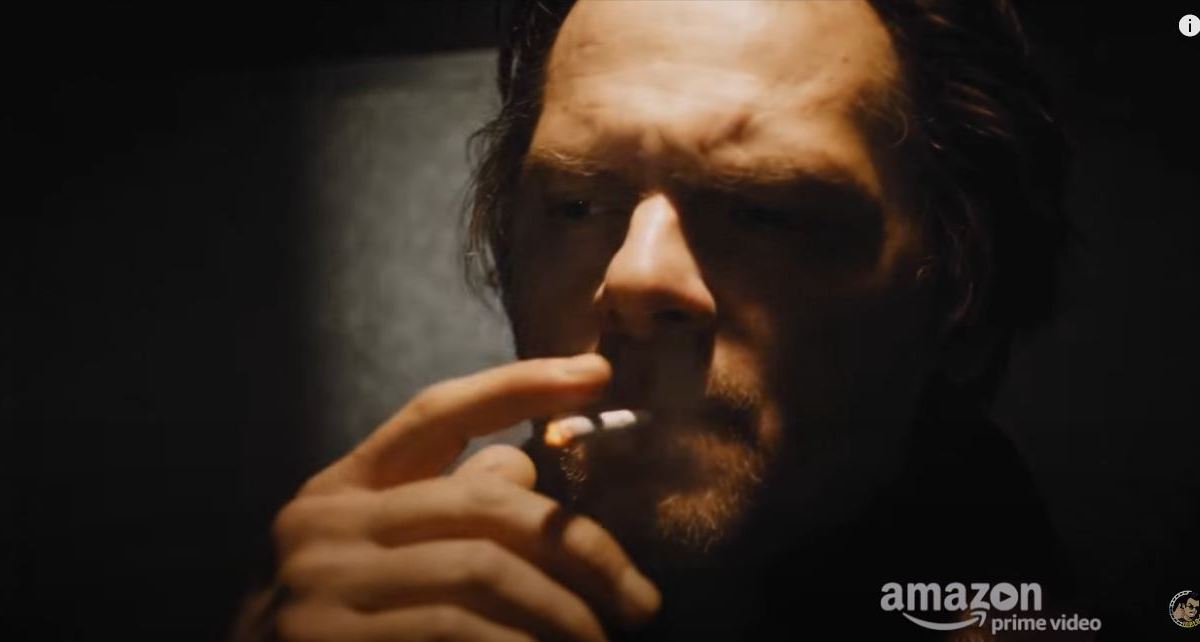
The subversive genius of COMRADE DETECTIVE

comrade detective

We live in a golden age of entertainment, with more choices than ever.

A big reason is the number of outlets now, and the ability to watch Bollywood movies, black-and-white French existentialist movies or South Korean action flicks where EVERYBODY DIES.

The old studio system has been usurped by streaming services willing to gamble on movies and series that would never run on network television.

COMRADE DETECTIVE wouldn’t come within a mile of running on NBC, CBS, or ABC.

Here’s the trailer:

I’ve watched the first season, and without spoiling anything, here’s why I think this thing works so well.

Authenticity

They shot this in Romania, with local actors speaking Romanian, then dubbed everything in English.

It really does look like a series from Budapest in 1983.

This show wouldn’t have worked with Channing Tatum playing the lead role. You wouldn’t believe he was a Romanian detective in 1983.

On message

Instead of aiming all the satire at life in a communist bloc country, a good chunk of the comedic firepower hits America, capitalism, and the West.

I laughed the hardest at the jokes that hit home and had a big dose of truthiness inside them.

The best comedies aren’t afraid to skewer everything in sight, and this show does it. Police departments, criminals, communism, stereotypical detective shows, capitalism, whatever.

Commitment

Instead of going for the easiest, cheapest gags, this show commits to overarching ones that take longer to set up, but give the audience bigger payoffs.

I really like that it tells one long story instead of separate episodes where they catch different bad guys. This lets the writers and showrunners take bigger risks, and it works.

VERDICT

Fire up Amazon Prime and watch this thing.


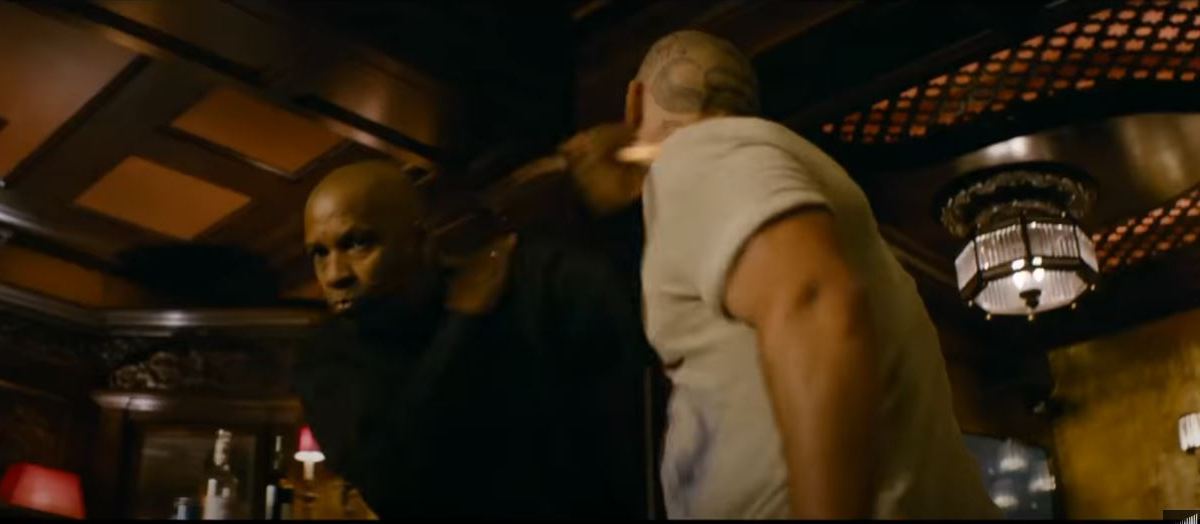
Should you watch Denzel Washington create havoc in THE EQUALIZER?

the equalizer denzel washington movie

If you were alive during the 1980s, Edward Woodward rocked white hair, cool suits, and a gun as he helped the helpless in the name of justice.

It was kinda like THE A TEAM, except just one guy, no van, no Mr. T, no trucks full of bad guys driving over a ramp and flipping. Also, Edward Woodward actually hit things when he fired his gun.

Sure, this was a cheesy show. Tell me something that wasn’t absolutely cheeseballs in the ’80s. But it was a pretty good form of cheese.

Here’s a trailer, and bonus points for all the big-name stars you can spot guest-starring in this thing.

So: if you fire up the interwebs, there’s not one but TWO movies starring Denzel Washington as a more modern and gritty equalizer.

Here’s the trailer for the first one, then we’ll talk smack.

Is Denzel Washington believable as a bald, middle-aged tough guy with a past, somebody who tries to start over as a regular man working at a home improvement warehouse?

Yeah. You believe it.

Hell, I’d watch Denzel Washington working his Joe Job for two hours as he explains the different grades of plywood and sends people to the right aisle for floor tile. The man is an acting legend.

But this is an action movie, meaning we need to get down to the fight scenes. And this movie features some truly inventive battles.

Here’s what they really do right: variety.

Most action heroes rely on certain gear or moves. Indiana Jones has his whip, 007 has his Walther PPK, Zorro and Robin Hook and Jedis have swords–there are good character reasons for all that. But it can get repetitive.

Every fight scene in THE EQUALIZER is different and interesting. Denzel doesn’t have a signature weapon; he improvises and uses found objects, or takes weapons from his opponents. It’s kinda like Jackie Chan, except instead of spinning ladders and making jokes, Denzel is KILLING ALL SORTS OF BAD GUYS.

In terms of bad guys, the Achilles’ heel of action movies, this movie actually stars a charming, chilling, scary villain who makes the final showdown fair and full of suspense.

VERDICT

I like it, I love it, I want some more of it.

Will watch the sequel, then send a bribe to the producer to make sure Denzel fulfills the trilogy, as foretold by the prophecy.

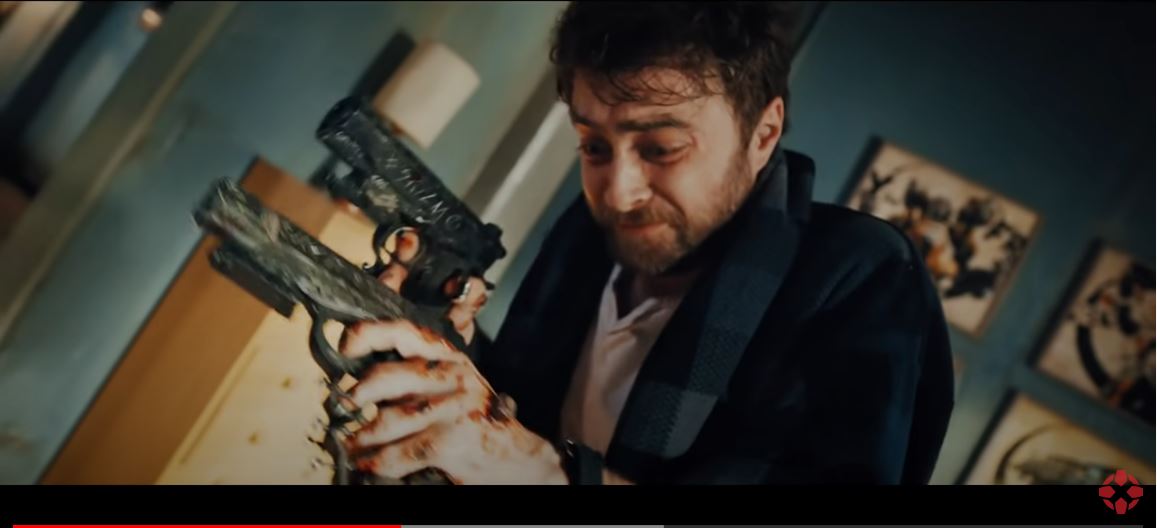
GUNS AKIMBO tests the Five Unwritten Laws of Action Movies

Unless you are allergic to 007, Jason Statham, and Jackie Chan–and somehow managed to dodge all 5,392 Marvel films–you’ve seen plenty of action movies.

GUNS AKIMBO is on the interwebs now, and it stars Daniel Radcliffe, so that automatically makes people like me perk up. Can a grown-up Potter carry an action movie, with zero wands and magic, and no Hermione to save him from hubris and idiocy? Will there be any sarcastic jokes or easter eggs referencing a villain who looks like a methed-up cousin of Voldemort? And does the movie work as entertainment?

Here’s the trailer, then let’s talk smack not just about this movie, but about how this film illustrates–for good and bad–the Five Unwritten Laws of Action Movies.

Interesting, right? The premise is good. You have an Average Joe sucked into an action movie in a plausible way, and he doesn’t have an easy out.

Those elements are the first three Unwritten Laws.

The First Unwritten Law of Action Movies: The Hero Cannot Be Superman

I don’t literally mean the Man of Steel, though talking about Supes can illustrate the extreme limits of how action movies go bad.

The more amazing and unbeatable you make the hero in the beginning, the less thrilling any action movie becomes. Superman is invincible, so it’s kinda impossible to worry about him getting hurt or killed, which absolutely murders any tension in the movie.

James Bond and other action movies keep breaking this law. They’re super tough, ice cold, and irresistible to the opposite sex from the first minute of the film, which not only kills tension–you know they’re gonna win–but it also destroys character growth, as in THERE IS NONE.

The acid test for a movie smashing the first law into itty bitty pieces is this: Is there a scene near the climax where our Ultracool Hero beats up and mows down a faceless army of bad guys before he gets to the Final Boss? You know the scene, because you see it all the time. Like this one.

https://www.youtube.com/watch?v=2AzyWKfqybg

Daniel Ratcliffe in this movie is definitely an Average Joe, completely unskilled compared to those he’s matched up against, so that ratchets up the tension. The question isn’t “how many bad guys will he mow down?” It’s, “How many minutes will Harry Potter With Guns survive?”

The Second Unwritten Law of Action Movies: Is This Plausible?

A lot of movies get the first law right, then immediately commit a Class B Storytelling Felony by having their Average Joe, an accountant from the suburbs, involved in a crazy plot involving Russian spies, the mafia, and a suitcase containing an alien artifact.

Whether the hero is a professional or amateur, the premise needs to be exciting, yet reasonable. If a gangster with his own private army kills your kung fu mentor, are you really going to take on and kill 300 armed criminals with your bare hands, on a rooftop in the rain? No. Not plausible. A movie that did this right was IN ORDER OF DISAPPEARANCE. The hero is an average man who takes out the drug dealers who murdered his son, but he does it step-by-step in clever ways.

The Third Unwritten Law of Action Movies: Is There No Way Out?

It’s not just a cool Kevin Costner movie. IT’S A LAW.

Horror movies are notorious for this, but action movies aren’t far behind. If the hero could solve this easily, say by calling 911 or renting a car and driving the hell away, then it’s lazy storytelling.

GUNS AKIMBO does this right in a clever way by bolting guns on Harry Potter’s hands. He can’t get them off, can’t open doors, can’t put on pants. It’s terrifying and funny and works beautifully.

The Fourth Unwritten Law of Action Movies: The Villain Must Be Bigger, Badder, and Better

It’s an achy break big mistake to make the hero smarter, tougher, stronger, taller, or generally better than the villain. The villain needs to be (a) scary, and (b) the most deadly thing in the movie. Period.

You can see action movies that shatter this law all the time, with savage, scary henchmen who the hero struggles to beat. Then when he finally gets to the villain pulling the strings, that fight feels anti-climactic.

This is the opposite of the Superman problem. Go ahead and make your villain super. Darth Vader, Hannibal Lecter, the shark in Jaws, Thanos–all of those bad guys are great because they’re scary and tough one-on-one. They don’t need a bunch of minions to back them up.

The villain in this movie does sort resemble a methed-up and tattooed cousin of Voldemort, though I’m not sure that’s intentional. But he’s plenty scary, and definitely bigger, badder, and more deadly than Daniel Radcliffe’s character, so they do it right.

The Fifth Unwritten Law of Action Movies: The Best Scenes Go Last

There’s a great fight scene with Nix, the blonde killer, early in the movie. Then she sacrifices herself (yeah, spoiler alert) so Harry Potter can make it to the final boss battle.

Except her final scene is nothing compared to that earlier scene. It’s meh. Switch those around in the editing room and IT WOULD BE MAGIC.

The same is true for chases, witty dialogue, suspenseful moments–put the best last. Escalate up to the end.

VERDICT

Listen, it’s the year 2020, which the prophecy apparently foretold was the Apocalypse, except nobody warned us, so I know that you know that we’re all plumbing the depths of Netflix and Amazon Prime for decent things to watch.

GUNS AKIMBO commits a few misdemeanors, but it gets the big things right and is definitely worth watching.

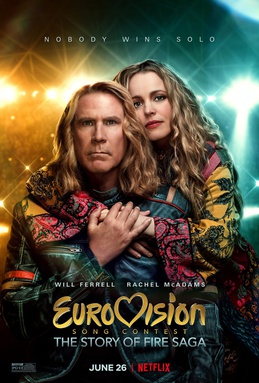
Should you fire up Netflix and watch EUROVISION SONG CONTEST?

Listen: comedy is incredibly hard. Maybe the hardest thing when it comes to storytelling and entertainment. Because you have to take risks, and most of those gambles won’t pay off.

This is why movies coming out of Saturday Night Live alums are hit-and-miss. A joke that gets stale and repetitive during a three-minute sketch is just about impossible to stretch into a 120-minute movie.

I swear the best comedies are made in the editing suite–throw 100 things at the wall, go wild, and have the editor and director pick the 10 things that really work while chucking the other 90.

EUROVISION SONG CONTEST may seem like one of those skits, something that might be hilarious for one song and painful to sit through for an entire movie. Check out the trailer.

I’m happy to say the opposite is true. This is fresh, funny, and surprisingly good.

The movie is set in Iceland, which needs to be featured more. It’s a wild place. Having visited there, it’s nice to see it in a major movie.

And while this is a comedy, the ending is excellent and surprisingly moving. TEARS MAY BE SHED. I won’t spoil it all by including the final song. Instead, here’s VOLCANO MAN, a great appetizer for the movie.

VERDICT

You’ve already burned through everything else on Netflix, Amazon Prime, and your brother’s DVD collection.

Give EUROVISION SONG CONTEST a go–it won’t disappoint.

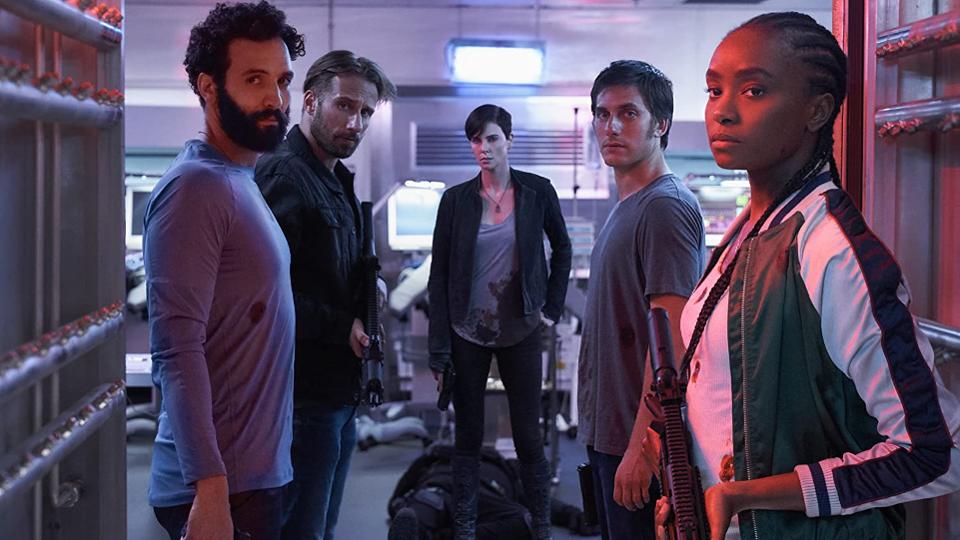
THE OLD GUARD is good–and here’s what could make the sequel even better

Yes, there will be a sequel to THE OLD GUARD, which is crushing the competition on Netflix right now. Click with your mousity mouse thing to watch the trailer.

Cool, right? Furiousa is back and she’s kicking butt.

If you haven’t watched the movie, spoilers ahead. If you have watched it, let’s talk about what worked, what didn’t, and how they could amp this thing up in the sequel.

The general feel of this movie worked well. It’s a fun time, and the acting is great for an action movie.

I like the premise–immortals who may randomly lose the ability to heal–though if you called this HIGHLANDER WITH GUNS, that feels pretty accurate, too.

The trouble with any type of immortal hero is you run into The Superman Trap, which is the fact the audience never worries about the hero being in danger because they basically can’t die. What’s good about HIGHLANDER and vampire movies is there are clear rules of how this all works. Vampires are vulnerable to sunlight, garlic, and such. Highlander and his fellow immortals die when they lose their heads, gaining the power of whoever they vanquish, except it’s not clear what power they really get. Are they faster or tougher after the light show? Can’t tell. Can they fly or do card tricks? Dunno. We’re just told they get more power, which is defined as the ability to do work, except we never see Highlander and his fellow immortal sword fetishists do anything other than swing blades at each other.

It is a nice twist for the hero, Furiosa (okay, her name in this movie is Andy, but does it really matter?) to lose her immortality toward the end. Because it raises the stakes and makes us worry.

What I didn’t like was the villain, who’s a dweeby pharma bro CEO, and yes, he’s despicable, but not scary. And certainly not a match for Furiosa and her fellow immortals.

The ending if an action movie should always have the main character, not a sidekick, take out the villain. That villain had better be just as skilled, powerful, and scary as the hero. Otherwise, snooze city. Check out the ending fight of HIGHLANDER, which featured a great bad guy, totally imposing and scary. Loved him.

There are two real villains in these Furiosa with Guns movies, which is plural on purpose because there will be more. First up is the bearded dude immortal frenemy who betrays his friends, then helps beat the bad guys only to get banished for 100 years as punishment for the original betrayal that you should have figured out ten minutes into the story. Who set up the first job that went wrong? Oh, that guy. Yeah, he’s it.

THE OLD GUARD neatly sets up the top villain in the next film, the woman who Furiosa hung out with for centuries but couldn’t save when they drowned her in an iron coffin at sea, thinking she was a witch. Then she spend hundreds of years drowning, dying, and coming back only to die again. Dreadful, right?

There’s a great stinger ending scene where the Bearded Frenemy, spending his 100 years in exile drinking all the alcohols in Europe, is surprised by the Big Bad Frenemy of Furiosa who somehow escaped the iron coffin at the bottom of the ocean. She’s certainly set up to be scary, with a totally understandable motivation for revenge and a license from the French government to do wacky psycho villain things, seeing how spending all that time drowning and coming back to life, endlessly, would warp any of our minds.

What bugged me is compared to the Big Bad Immortal Frenemy, all the little villains who died in the previous two hours feel insignificant. Especially the dweeby pharma bro.

So I hope and pray the sequel sticks with a villain who is as powerful, or more powerful, than Furiosa and her immortal friends. Because this should be the First Law of Storytelling: a movie or novel is only as strong as the villain.

Is the hero so skilled and amazing that it requires an entire division of bad guys to slow him down? Is the villain equal to that or even more skilled? You see far too many movies and novels where the villain is no match at all for the hero. And it makes it boring.

A series that completely tilts the playing field in favor of the villains, and does it incredibly well? THE BOYS on Amazon Prime (I swear this sounds like a planet in the Degobah System or whatever). The superheroes everybody worships are actually villains, and the small band of people trying to take them down are–with one exception–average people with zero powers. They’re total underdogs and it makes every victory they have so worth it.

VERDICT

Yes, it’s accurate to say THE OLD GUARD is sorta HIGHLANDER with guns, but it’s a fun time, and well worth watching.

On a related note: EQUILIBRIUM is pretty much THE MATRIX crossed with FAHRENHEIT 451 and 1984, and you’d think that mix wouldn’t work, but it does. They overdo the gun-kata nonsense a bit, sure, yet there’s a lot of great action scenes in this Christian Bale movie.


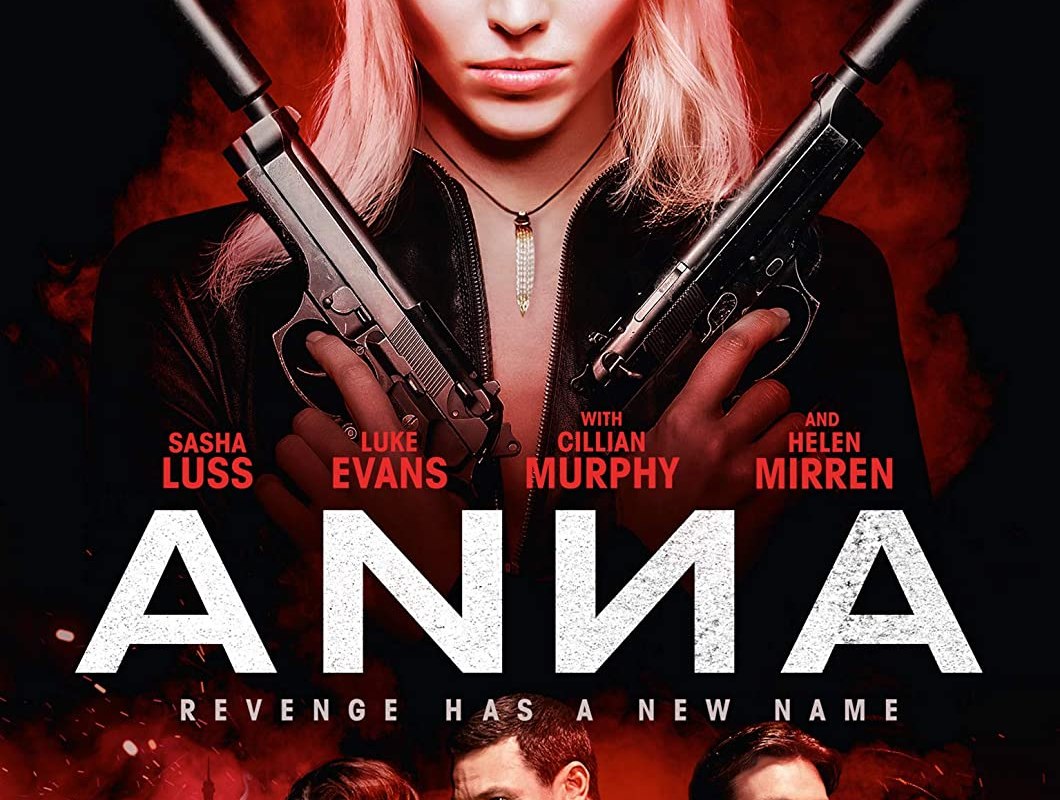
Why ANNA violates three laws of action movies

I come to praise ANNA, not bury it.

My love for Luc Besson movies is strong. THE TRANSPORTER is beautiful and completely rewatchable, THE FIFTH ELEMENT is creatively wild, and pretty much anything he does is worth checking out.

ANNA is another action movie with KGB spies, the CIA, John-Wick style gun fu and a lot to recommend it. You should fire up the interwebs and watch it when you’ve plumbed the depths of Netflix.

Yet there are laws for action movies, laws carved into our brains and souls by the sweat and blood of Action Movie Gods, and woe unto those writers and directors who willingly break these laws.

ANNA is good.

Unbreaking these laws could have made it great, and there’s always hope for a Special Edition Director’s Cut or whatever.

THE FIRST LAW OF ACTION MOVIES: SAVE THE BEST FOR THE CLIMAX

The exact genre doesn’t matter. Gunslinging westerns, martial arts films, spy thrillers, and Let’s Catch The Genius Serial Killer films all need to do one thing: escalate.

This rule actually applies to every movie and novel. Start strong, but end stronger.

It’s just easier to see and quantify with action movies, because you can do things like count bodies.

What do you want to avoid? The opposite, which would be starting out with your absolute best action scene, then a middling one, and finally an appetizer–or no action scene at all.

That’s basically what ANNA does. There’s a beautiful fight scene in a restaurant that happens early. You’re going to google the thing, so here it is:

Crazy good, right? It makes you expect something even bigger and better at the end.

Except you don’t get that. The climax kinda switches to pure spy thriller instead of action movie, giving the audience get triple-crosses and disguises and MISSION IMPOSSIBLE kinda stuff.

And it feels like a let-down. You’re cheering for our heroine to do the restaurant thing again on the bad guys, except everybody is basically bad and double-crossing each other.

THE SECOND LAW OF ACTION MOVIES: STICK TO ONE TIMELINE

When was the last time you saw a flashback that worked in a movie or book?

They don’t work. I hate them with the fire of a thousand burning suns.

Bad action movies give us a couple flashbacks of the Dead Mentor training the hero and imparting wisdom, right before being killed by gangsters or the villain. Good thrillers avoid flashbacks entirely.

ANNA gives us flashbacks and flashforwards out the wazoo, and it kills the story. Because really what they’re doing is going back to give the audience setups after they just watched the payoffs. It’s not surprising or fun–it’s a lazy way to patch holes in a story. “Hey, here’s three months earlier, which will explain why that just happened.”

No. Just no.

Keep it linear. One timeline, straight through.

THE THIRD LAW OF ACTION MOVIES: GIVE US A VILLAIN

Whatever you think of Tom Cruise, the last MISSION IMPOSSIBLE gave us a great, great bad guy: Superman/The Witcher.

Sure, there was an overt baddie, but he was a puppet of Superman/The Witcher, who was pulling all the strings. And since thrillers are about betrayal, especially spy thrillers, this was a great twist.

ANNA doesn’t give us a villain. There’s no final faceoff and beautiful fight. She slips away.

I’d argue that the most villainous character is Helen Mirren’s, who you can see in the trailer for a bit.

She does all sorts of Very Bad Things, and deserves to get completely Restauranted–but instead, Anna helps her take control of the entire KGB.

So yeah, not a very satisfying ending. Bad guys kinda win while the hero disappears.

VERDICT

Hey, this thing is still fun and completely watchable. Well worth firing up, and there’s nothing wrong with the actors. The lead actor does an amazing job–put her in more movies.

It simply could be much, much better with some structural tweaks. Save the best for last, Luc!

The problems with PICARD

star wars vs star trek

Listen: I adore Patrick Stewart, who’s a brilliant actor and a beautiful human being.

And I’d pay cash money to watch P-Stew (a) go grocery shopping, (b) walk his dog, or (c) drink a few pints and talk smack with his best friend, Gandalf the Grey.

HOWEVER: We’re talking serious business here, a new STAR TREK series on the televisions, and these things are so rare and beautiful that five got announced while I made some fresh coffee. But a Trek series with Captain Picard? That’s special.

So yeah, I watched the entire series, start to finish, as a public service.

Here’s the deal: it’s a hot, hot mess.

Let’s start with the ending

You don’t need to know the entire plot. Going right to the end explains a lot of why PICARD went south.

For the entire series, we’re told there’s a secret society of Evil Romulan Spies who want to kill artificial life forms like Data, who’s already dead. Bear with me here. Data secretly had twin daughters, and the Evil Romulans killed one because they believed she’d kill all life forms by summoning the Angry Robot Monsters From Another Dimension or whatever.

In the last episode, we learn THE VILLAINS WERE RIGHT, because Data’s daughter and her android friends do build a beacon and summon the Angry Robot Monsters, who start bringing their 1987-style graphics robot tentacles through the portal until Picard convinces She-Data to shut it down.


So…we spend all these episodes fighting the Romulans who turned out to be completely right.

As a special bonus, there are about a half-dozen deus ex machinas and stupid plot holes in the same final episode. A partial list:

  • She-Data’s twin may have died in the first episode, but look, there’s another android on the robot planet clearly played by the same actress, but she’s not exactly her twin, though she is evil, and kills to get her way and start summoning the Tentacle Robot Gods.
  • Riker is totally retired and hanging out with Troi, so when Picard stupidly takes on the entire Romulan Bad Guy fleet of warships with a ship he’s never flown before, Riker magically re-enlists in Star Fleet and shows up with 5,000 identical starships to scare off the Romulans, who I want to remind you WERE RIGHT THE ENTIRE TIME.
  • Picard is dying from some brain disease, so when he does sacrifice himself by flying up there to fight, it doesn’t totally hit you in the feels because he’s dying anyway, and yeah, that stinks–but after he dies, and hangs out with Data in the Matrix, boom, they stick his mind and soul into a robot body that looks exactly like him, so no big deal, bring on Season 2!

If you’re going to kill a character everybody loves, and make them feel, you have to do it forever–or make the resurrection very, very hard. STAR TREK 2: THE WRATH OF KHAN killed Spock and made us all cry, then spent an entire move searching for Spock and bringing him back, making us cry more. You don’t get to do the old death switcheroo in, like, five minutes.

There are other stupid aspects of the finale that I won’t even get into.

The finale just feels sloppy, especially the static shots of a giant fleet of identical Romulan ships standing off against a giant fleet of identical Star Fleet vessels, like the director just told the CGI boys to hit cut-and-paste five hundred times.

STAR WARS knows how to do a space battle the right way.

https://www.youtube.com/watch?v=9v7FcOq9104


STAR TREK, STAR WARS or LORD OF THE RINGS?

Half of the episodes, it feels like they’re trying to be Star Wars, with a big fight in a casino full of weird-looking cantina aliens and dusty, desert locations.

There’s are three common ingredients in every STAR TREK series, good or bad: a captain, a ship, and a crew.

These ingredients are incredibly weak in PICARD, where he’s not a captain, but a passenger. The ship is hired, and the crew is half holographic for some reason, with the actor playing the man who owns the ship also playing the ship’s medic, engineer and a bunch of other parts to show off how many accents he can do. It’s confusing and weird, and this scruffy captain’s ship is far too gigantic and squeaky clean. What STAR WARS got right is the Millenium Falcon is a dirty piece of junk, and Han Solo is always broke and in debt.

Other times, I swear the writers were dropping acid and binge-watching LORD OF THE RINGS. On a Romulan refugee world, Picard picks up some kind of elf-samurai Romulan man, I kid you not. It does not work.

Who’s on first?

Even though I’m not a Trekkie, or Trekker, or whatever the right name is today, I’ve seen enough movies and TV shows to know a Klingon from a Vulcan from a Romulan. For decades, Vulcans have had a specific style of dressing, speaking, and acting. Same with Klingons, those short guys with the big ears who love money.

Not in PICARD, where I can’t tell the Vulcans from the Romulans, who are all over the place. Some have deep forehead ridges, kinda like Klingons, while others look like elves and still other Romulans are shaggy hair dreamboats who sorta look like tall hobbits. And don’t start with the accents and speaking styles. Some of the Romulans had posh British accents and others talked like gangsters from LA–they were just all over the place. It kept throwing me off.

How to fix this dumpster fire

Hey, you’ve got Patrick Stewart, who I’d say is the best captain ever to put on the uniform. Absolutely beloved.

He doesn’t sneak around like a common criminal. That’s not his style.

Give him a ship–but make it a relic, obsolete, something Star Fleet was going to junk. Make his crew total newbies from the Academy, cadets who are on the edge of dropping out, and he’s only getting them on the promise that he’ll get them coached up and passing their exams after a little shakedown cruise.

Those are the three crucial ingredients to any STAR TREK series: a captain, a ship, and a crew.

After you have those three things in a way that makes sense, it’s a lot easier to fix the plot holes and random stupidity.

Exactly why THE MANDALORIAN crushes all three STAR WARS prequels

Listen, the short and Cheaty McCheatypants answer to this question is simple: Baby Yoda is TOTES ADORBS.

https://www.youtube.com/watch?v=qtkasrOVyMk

Yet the real answer goes a lot deeper than that, and there are lessons here in terms of story and structure. As somebody who grew up watching the original trilogy and hating the prequels, it gives me joy to see THE MANDALORIAN doing everything the opposite of the silly prequels.

Warning: this post is full of spoilers. I mean, completely packed with them, like chocolate chips in a gooey cookie. 

Reason No. 1: Sparse, Memorable Dialogue versus The Worst Dialogue in the History of Cinema

The Mandalorian doesn’t talk much, and The Child (Baby Yoda) doesn’t talk at all. And mostly, they don’t need to, with a lot of storytelling done through visuals.

But when there is dialogue, it’s interesting and memorable. Two simple phrases are already being spread around IRL: “I have spoken” and “This is the way.”

In the three sequels, the dialogue is wooden, long and terrible. Nobody in the office is riffing off “I hate sand” unless they’re making fun of the sequels.

Reason No. 2: Gritty and Real versus CGI Fakeness

You can’t immediately tell what’s CGI and what’s a practical effect in THE MANDALORIAN, and they’re clearly leaning hard on practical effects and settings that are real, gritty and dirty.

Mando’s cape is torn. He’s always getting muddy, dusty or shot up.

In the sequels, everything is CGI’d to death. It feels too clean, too perfect, too fake.

Reason No. 3: Atmosphere versus Spectacle

Sure, there are giant battles and amazing special effects in the sequels. George Lucas put all his special effects people to serious work. 

THE MANDALORIAN is about atmosphere, mood and characters that you care about–which makes the action smaller in scale and far more important to the audience. 

Reason No. 4: Natural Humor versus Forced Dad Jokes

I love how there’s a lot of physical humor in the new series, along with unexpected surprises like the Jawas, who are a real problem after scrapping Mando’s ship but also a great bit of comic relief. You need that when Mando is basically the Man With No Name (Clint Eastwood) in all those spaghetti westerns.

The humor reminds me a lot of what we saw in the first few Indiana Jones movies, and in the original trilogy. 

In the sequels, what passed for humor were essentially flat lines of dialogue–dad jokes–and the physical humor we got were things like Jar-Jar Binks being incredibly clumsy. No. Just no.

Reason No. 4: Making Us Care and Want More versus Telling Us Too Much and Expecting Us to Care

Exposition is ammunition. We hear just enough about Mando through dialogue from other characters and from his actions.

That taste, and the mystery about him, makes us want to know more.

In the sequels, we got lectures about senate politics and midi-chloridians. It was not pretty. 

Reason No. 5: Real Surprises versus We Know Exactly What Will Happen

There are constant surprises in THE MANDALORIAN, but each payoff has setups that make sense. 

In the sequels, we knew where the story would wind up, even when the setups weren’t really there, and there weren’t a ton of surprises on the way there. Nobody really suffered or changed except Anakin and Padme; all the other characters were flat. Obi-Wan and the Emporer didn’t really change from the first movie to the last. Neither did anybody else.

Mando is really an anti-hero. He does his job as a bounty hunter brutally and efficiently, including capturing The Child, and his decision to go back and save CUTE BABY YODA from the stormtroopers is not quick or easy. In fact, how they do it is rather neat, and done completely through visuals when he makes that decision. Beautiful.

Other characters also make surprising choices that do make sense, like the Jawas agreeing to trade The Egg for all of Mando’s ship parts. A less skilled writer would have had Mando hunt down the Jawas in their sandcrawler and shoot his way to those parts. 

Verdict

The acid test for me is, “Would I watch this again?”

If you want to get completely serious, expand on that scale with, “How much would you have to PAY ME to watch this again” compared to “How much would I willingly PAY to see this again, whether it’s in a theater or on a magic smartphone?”

I’ve already watched all three episodes again. Did not get tired of them at all, and would happily watch all three again tomorrow. They’re fun and interesting. 

The three sequels? You’d have to pay me to watch even one of them again. 

Well done, Jon F., Deborah Chow, Pedro Pascal, Nick Nolte (what?!!), Carl Weathers (yes!) and everybody else involved in this show. You’ve restored my faith in Star Wars.