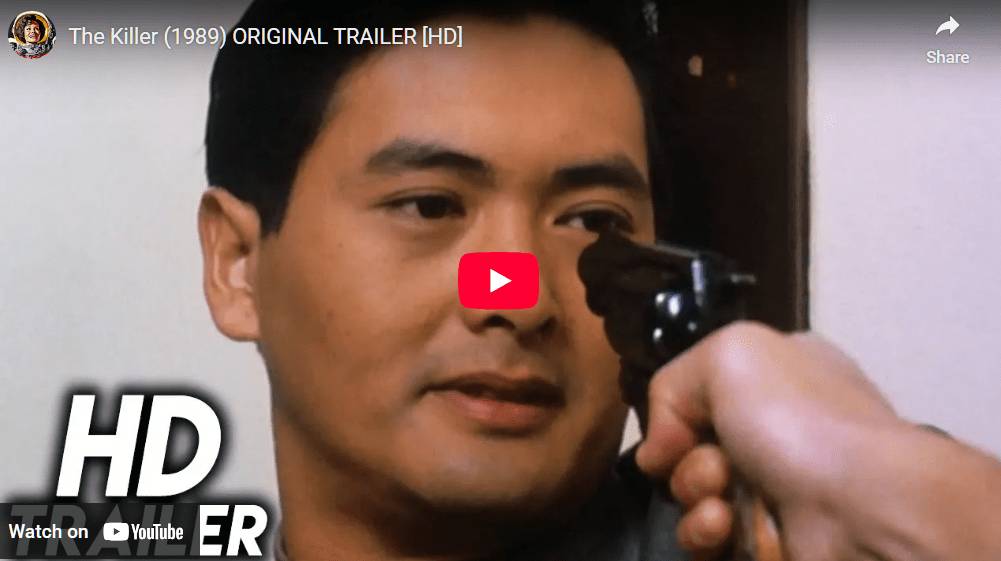
THE KILLER by John Woo proves less is more

Watch The Killer–a classic by John Woo that influences tons of modern directors–and you’ll notice that the best parts are the quiet ones.

The tension of face-offs between the assassin and the detective, guns pointed, but no triggers pulled. The scenes with Jenny, the singer blinded by the assassin’s unintentional shot. And the moments where characters win by being clever instead of shooting things.

Because oh my precious baby Jesus, there is a lot of shooting.

Here’s the trailer with a good taste of this classic:

John Woo went on to direct a ton of other movies, including Face/Off, Broken Arrow, and Mission Impossible 2.

What stuck with me from The Killer is the big gun battles didn’t land like other scenes.

Whenever I saw a mountain of henchmen, dressed identically and holding guns, I knew they were dead. All of them. And this happened so many times in the movie (and most action films).

John Wick does a great job of making a small number of henchman menacing and real, and show the hero isn’t invincible.

There are a few main villains in The Killer, but they don’t get much screen time or development. They just live longer than the random henchmen.

There are far, far too many endings where the villain had the love interest with a gun to her head. The Killer does this, too.

Gunfights would seem to always be exciting, right? I don’t think so. When all kinds of people are shooting all kinds of bullets at the hero, you know they might get wounded, but the only deaths will be the generic extras.

Less is more. Make it one-on-one and you’ve got tension, like The Quick and the Dead, which does this so well again and again.

I can’t remember the last movie where an endless wave of henchmen made things tense or interesting. If you haven’t seen them before and don’t know their name, they are toast.

My pet theory is this: one-on-one fights are the best option for action movies, whenever possible: an even fight against an opponent with a shot at winning, whether it’s a quick-draw gunfight, a fist fight, or a sword fight. My favorite? Sword fights seem to always work, whether the duel is set long ago in a galaxy far away or in a children’s story that has no right to be so damned good.

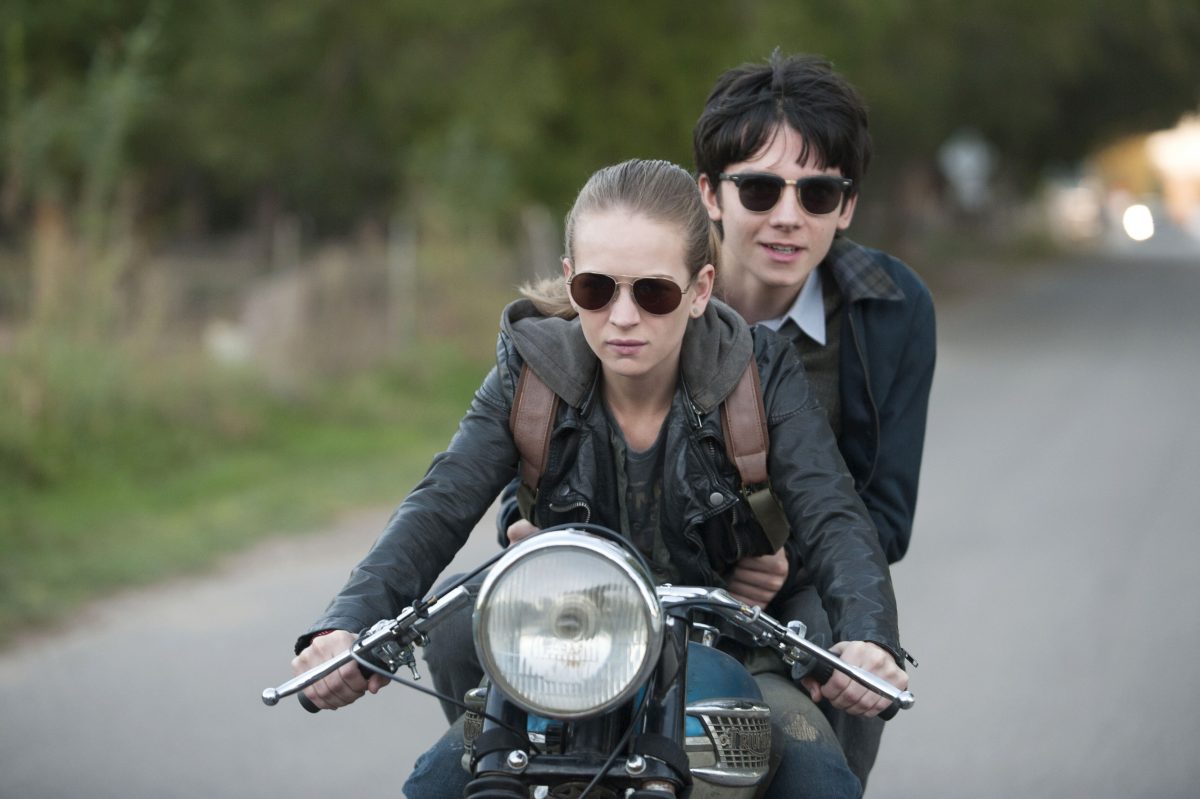
A MAP OF TINY PERFECT THINGS battles four classic time-loop movies

The point here isn’t whether a movie is worth watching. If you throw a rock in Hollywood, you’ll hit a movie critic. Check them out for Hit the theater, Wait for streaming, or Avoid this stinking turkey.

What’s more interesting is WHY something is worth watching or skipping–and whether you’d watch it again.

Time-loop movies are fun in the same way zombie movies (early on) are a blast: no rules. Want to loot the gun store, then grab whatever you want from Safeway? Go for it.

That’s the promise of the premise. GROUNDHOG DAY is the most famous example of these movies because it does a great job of showing the wide variety of things that are possible. Bill Murray steals from an armored car, leads the cops on car chases, jumps off buildings, learns piano with his infinite time. It’s also fun to see Bill go through the same scenarios radically different way. I still laugh when he punches the insufferable Ned.

A MAP OF TINY PERFECT THINGS is a low-budget movie. No big stars, no amazing fights, no giant chase scenes, no CGI. Doesn’t matter. Entertaining as hell anyway. Why? Because of the story.

It’s not as varied as GROUNDHOG DAY in terms of what the do with unlimited time and zero consequences. There’s a little of that. What this movie focuses on is who you spend that time with, and not just in a romantic way. For once, this silly blog will not spoil the movie. But it’s not what you think, and I’d happily watch it again.

Now, on to other time loop movies, and how they twist this.

RUN, LOLA, RUN is another low-budget movie taking the opposite approach.

The movie uses the time loop to maximize tension and conflict. Lola and her boyfriend face death at the hands of the criminal underworld or the police. It’s a race and a puzzle: which choices solve it?

EDGE OF TOMORROW may seem like an action movie, and there’s plenty of action. The heart of it is character. The character played by Tom Cruise starts out as an arrogant jerk who’s useless in battle. You laugh every time he gets killed on the beach in silly ways. The more you dislike Cruise as an actor, the better the movie works.

In the end, Cruise suffers, trains, and sacrifices himself to beat the alien boss and win the war. Unlike 99 percent of thriller heroes, he has an actual character arc.

The movie works better because it doesn’t have the standard romantic relationship, but more of a mentor-protege with Emily Blunt’s veteran soldier.

GROUNDHOG DAY is similar in that it’s about Bill Murray moving from selfish jerk to decent human being, with that heart of the story wrapped with all the time-loop fun.

It would be hard to beat this movie for comedy and exploring all the things a person could do with infinite time.

BOSS LEVEL is a lot like RUN, LOLA, RUN in structure, with Frank Grillo trying to puzzle his way out of this.

There’s a ton of humor mixed in with the fights and explosions, and all the ways Grillo dies. It shares the same climactic device as EDGE OF TOMORROW by taking the hero out of the loop for the final run, meaning if he dies, he dies forever.

This is a highly under-rated movie that I’ve seen five bazillion times.

There are far more time-loop movies than you’d think.

Search on the YouTubes, google it, consult the hallucinating oracle known as chatgippity or the slightly less insane Claude, which is a terrible name for an AI machine. Maybe you could do worse. Karen would be bad, though Adolf and Lucifer tie for the worst.

If you have a favorite time loop movie, tell me about it!

Random review: THE SPACE BETWEEN US is on Netflix–should you fire it up?

If you get on Netflix, Amazon Prime or whatever and wander around, there are 5.8 gazillion movies that pop up that you never knew existed, like THE SPACE BETWEEN US.

Check out the trailer, then we’ll chat.


Will you rage-quit after five minutes?

No. The opening is solid and keeps your interest.

How’s the acting?

Alright, so you’ve got Commissioner Gorden with an English accent (yes, Gary Oldman is actually British, so this may actually be the one time he doesn’t have to transform his body and voice for a role).

The cast is pretty small and I didn’t recognize the actors except for Oldman and B.D. Wong, but they’re all pretty good. I believe, deep in my soul, that the biggest problem with movies like this with a lot of relatively unknown actors is keeping the performances even, and making sure great actors don’t completely overshadows newcomers. They keep it even here. 

I don’t know the names and am not going to cheat by looking them all up on google: you have what kinda looks like Young Anne Hathaway as his astronaut mom, who does a great job in the first part of the film, then Sarah Connor as his astronaut stepmom on Mars and later Earth.

Two young actors playing the lead, the First Boy Born on Mars and his pen pal and love interest, the Young Blonde Misfit Who Steals Cars and Doesn’t Believe in Motorcycle Helmets.

What about the story?

They pack a lot of plots and subplots into this. The most fun part of the film is toward the middle, with the two teenagers on the run. They’re clever and you can watch the relationships grow in a way that makes a lot more sense than big-budget movies featuring ageless and powerful Vampires Who Sparkle falling in love with dumb teenagers.

There is a story mistake toward the end of the movie that almost did make us quit the film, and I won’t give away what happens, only to say THE SPACE BETWEEN US already seemed a little too much like THE FAULT IN OUR STARS based on title and premise. But if you stick through the moment when you’re tempted to hit HOME on the remote and find out the latest happenings with the Great British Bakeoff, the ending redeems this movie.

VERDICT

Sure, go ahead and fire this up on Netflix with your favorite person on the couch next to you. it’s worth your time.